Prevention and treatment of scalp inflammation
Scalp inflammation is a common scalp problem that can be caused by a variety of reasons, including infections, allergies, fungal infections, excessive sebum production, or poor care habits. Understanding the causes, prevention methods, and effective treatments can help people better cope with this problem and maintain a healthy scalp.
1. Common causes of scalp inflammation
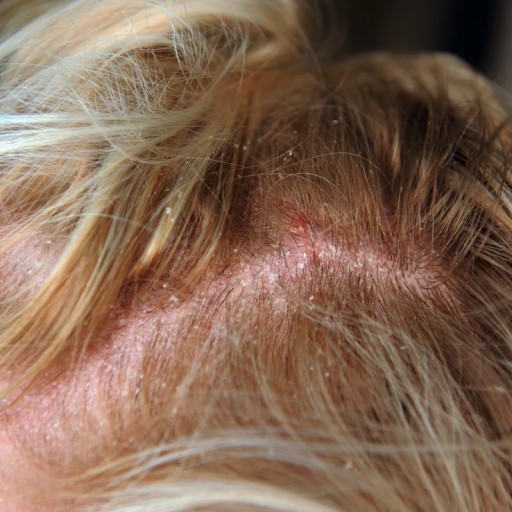
Scalp inflammation is usually characterized by itching, redness, flaking, and even in severe cases, pain, pus spills, or crusting of the scalp. Common types of scalp inflammation include seborrheic dermatitis, contact dermatitis, folliculitis, scalp psoriasis, and tinea capitis. The following are the main triggers of scalp inflammation:
Allergic reactions: certain shampoo products, hair dyes, and hair care products may contain allergy-causing chemicals that can cause contact dermatitis, resulting in a red, itchy scalp.
Fungal infections: such as ringworm of the scalp, caused by a fungal infection that spreads easily among children and adolescents and manifests as flaky scalp hair loss.
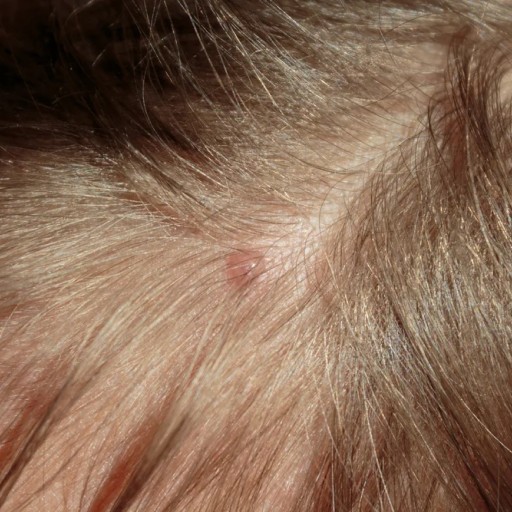
Bacterial infections: folliculitis, caused mainly by bacterial infections, can lead to redness, swelling and pustules in the hair follicles on the scalp.
Excessive oil secretion: Excessive sebaceous gland secretion can lead to an oily scalp environment, which can lead to seborrheic dermatitis.
Immune system abnormalities: Some autoimmune diseases such as psoriasis can affect the health of the scalp, leading to chronic scalp inflammation.
2. Preventive measures for scalp inflammation
The key to preventing scalp inflammation lies in good scalp care habits and a healthy lifestyle. Here are some effective preventive measures:
Keep your scalp clean
Regular hair washing can effectively reduce the accumulation of oil and dirt on the scalp and lower the risk of bacterial and fungal growth. Use gentle, scalp-friendly shampoo products and do not over-clean your hair as this may damage the scalp's natural barrier.
Avoid harsh products
When choosing shampoos, conditioners and hair coloring products, try to choose natural ingredients or low irritation products. Avoid products that contain sulfates, fragrances or dyes, chemicals that tend to cause scalp irritation and dryness.
Maintain a healthy diet
A balanced diet is very important for skin health, especially the health of the scalp. Consuming foods rich in vitamins A, C, E and zinc helps to strengthen the skin barrier and reduce inflammation.
Reduce Stress
Stress is a trigger for many skin problems, including scalp inflammation. Moderate exercise, yoga and relaxation methods such as meditation can help reduce stress and thus help prevent scalp problems.
Change pillowcases and towels regularly
Pillowcases and towels are prone to harboring bacteria, which can increase the risk of scalp infections with prolonged use. It is recommended that pillowcases and towels be washed and replaced regularly to maintain cleanliness and hygiene.
3.Scalp Infection Treatment
Treatments for scalp inflammation include medication and daily care, while serious cases require consultation with a dermatologist. The following are some of the common treatments:
Topical treatments
Antifungal shampoos: For scalp inflammation caused by fungal infections, such as ringworm, shampoos containing antifungal ingredients (e.g., ketoconazole) can be effective in killing the fungus.
Shampoos containing zinc: Zinc has antibacterial and anti-inflammatory properties, and shampoos containing zinc can help reduce the symptoms of seborrheic dermatitis.
Corticosteroid creams: For severe scalp inflammation, doctors may prescribe topical steroid creams to minimize inflammation and itching, but care should be taken to use them for short periods of time to avoid possible side effects of long-term use.
Oral medications
Antifungal medications: For persistent fungal infections, your doctor may prescribe oral antifungal medications to remove the fungus more effectively.
Antibiotics: If the scalp inflammation is caused by a bacterial infection, such as folliculitis, your doctor may recommend antibiotic treatment.
Immunosuppressants: For inflammation caused by abnormalities in the immune system, such as psoriasis, your doctor may prescribe immunosuppressant medications, but such medications should be used under medical supervision.
Physical Therapy
Ultraviolet light therapy: For stubborn scalp inflammation such as psoriasis, ultraviolet light therapy can help relieve symptoms and promote healing.
Home care
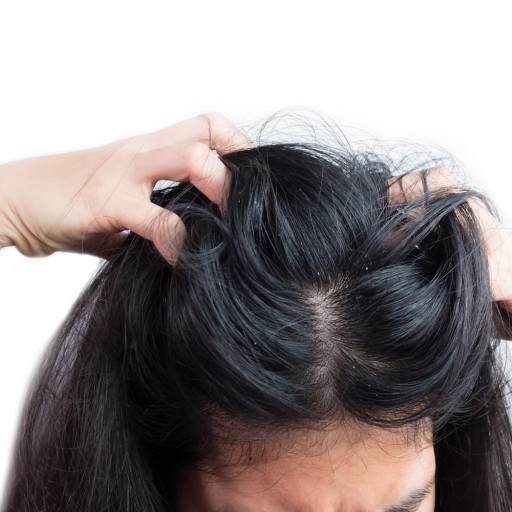
Gentle massage: Gently massaging the scalp with warm water and fingertips can help promote blood circulation and reduce inflammation. Avoid scratching with fingernails to prevent further damage to the scalp.
Tea tree oil: Tea tree oil has natural antibacterial and antifungal properties and can be added to shampoos in appropriate amounts for use, but care should be taken to avoid allergic reactions.
4. Recommendations for care in special cases
Scalp inflammation may require different care in different groups of people, such as children, pregnant women and the elderly. The following are some specific recommendations:
Care of scalp inflammation in children
Children's skin is more delicate and prone to allergic reactions to certain ingredients. Parents should choose mild, fragrance- and dye-free shampoos and regularly check the health of their children's scalp to avoid children scratching their scalp to aggravate inflammation.
Scalp inflammation care for pregnant women
Pregnant women should take extra care when choosing care products and avoid products that contain harsh chemicals or hormones. Natural ingredients such as tea tree oil or coconut oil are safer choices.
Scalp inflammation care for the elderly
Elderly people have less sebum secretion and their scalp tends to be dry. Using shampoo products with strong moisturizing properties can help maintain the balance of moisture and oil in the scalp. At the same time, maintaining a balanced nutritional regimen with adequate intake of water and vitamins can also help improve scalp health.
5. Things to note when scalp inflammation persists for a long time
If scalp inflammation persists or symptoms worsen, further medical examination may be needed. Here are some symptoms to watch out for:
Persistent redness and swelling: The redness and swelling have increased in extent and symptoms are noticeable, further medical examination may be required.
Severe hair loss: Inflammation may affect the health of the hair follicles and lead to hair loss; prompt treatment will help minimize damage to the hair follicles.
Pus discharge from the scalp*: the presence of pustules or pus overflow indicates a serious infection and early medical attention is recommended.
6. Long-term methods to maintain a healthy scalp
Maintaining a healthy scalp requires not only external care, but also focusing on daily habits:
Good work and rest habits: Adequate sleep and a regular routine are important for the health of the immune system and help reduce inflammatory reactions.
Avoid wearing hats or bandanas for long periods of time: Wearing hats for long periods of time may cause the scalp to become stuffy and humid, harboring bacteria. Proper ventilation and keeping the scalp dry can help minimize infection.
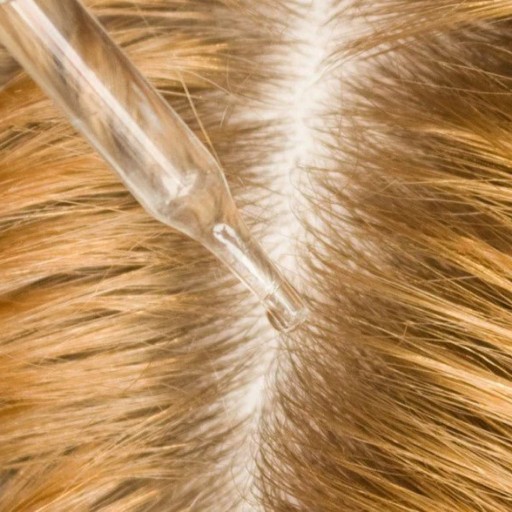
Regular scalp care: Using specialized scalp serums or massage tools can help improve blood circulation and keep the scalp healthy.
Scalp inflammation is a common problem affecting the health of the scalp. Understanding its causes, taking preventive measures and receiving professional treatment when necessary can help improve the condition of the scalp and keep it clean and healthy.
 1
1 1
1OTHER NEWS
-
- Is the smell of mowing the grass a distress signal from plants?
- By LH 21 Feb,2025

-
- Do you know these secrets of plants?
- By LH 18 Feb,2025

-
- Here’s a complete guide on what you should prepare before planting your seeds.
- By Prodosh Kundu 18 Jul,2024

-
- Have you ever seen a magical plant that can grow by drinking air?
- By LH 14 Mar,2025
-
- Sustainable Gardening Starts With Organic Supplies
- By Prodosh Kundu 28 Oct,2024

-
- Growing For The Planet: How Sustainable Gardening Practices Can Help To Mitigate Climate Change
- By Prodosh Kundu 28 Oct,2024
-
- Spring is here! Give Your Garden a New Look with These Gardening Tips
- By MTH 20 Feb,2025

-
- Hydroponic plants, gardening tips
- By LH 02 Apr,2025
-
- How to Choose the Best Lawn and Landscaping Services for Your Home
- By Prodosh Kundu 28 Aug,2024

-
- The natural choice for indoor air purification five high-quality greenery recommendations
- By YL 14 Mar,2025

-
- Vigilance! Keeping these kinds of plants indoors may harm your health
- By ZYY 09 Apr,2025
-
- The Five Best Flowers for Newbies to Keep Alive
- By MTH 14 Mar,2025