Have you ever seen a magical plant that can grow by drinking air?
Are you tired of the tedious soil changes, fertilization and watering? Have you ever imagined that a plant can break free from the constraints of a flowerpot and bloom with only air?
Today, we are going to introduce this plant, which not only subverts the cognition of traditional gardening, but also becomes the new favorite of modern home decoration with the attitude of "lazy gospel" - it is air plants.
Air plants: the art of survival that subverts imagination
1. Evolutionary miracle: vitality without soil
Air plants (Tillandsia) are the only plants on earth that rely entirely on air to survive. They belong to the genus Tillandsia of the Bromeliaceae family. Its roots are only used to fix itself, not to absorb nutrients. Water and nutrients are all obtained from the air through the fluffy scales on the leaves.
This unique way of survival stems from its evolutionary process: in order to adapt to the environment of epiphytes on tree trunks, rocks and even telephone poles, air plants gradually get rid of their dependence on soil and use rain, dew and trace nutrients in the air to maintain life.
2. Various forms: the ever-changing elves of nature
Air plants have more than 730 native species and thousands of horticultural hybrids, ranging from the slender and curly "old man's beard" to the domineering "tyrant iron orchid", to mini varieties shaped like pine cones or sea urchins. Each plant is like a work of art carefully carved by nature.
When some varieties bloom, the leaves will show bright "marriage colors", such as pink, purple or gold, to attract insects for pollination, and the flowering period can even last for several months.
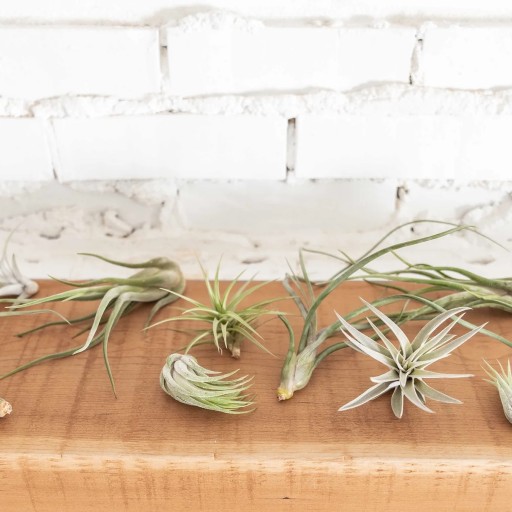
Maintenance Guide: Even lazy people can easily control it
1. Light and temperature: simulate the native environment
Light requirements: Air plants like bright scattered light and can be placed by the window or balcony, but avoid midday exposure (easy to burn leaves).
Temperature range: The suitable growth temperature is 15-30℃, and it needs to be kept above 5℃ in winter. Short-term low temperatures may cause dormancy, but long-term temperatures below 0℃ will cause frostbite.
2. Water management: less is more
Water spraying method: Use a spray bottle to evenly wet the leaves 2-3 times a week. Ensure ventilation after spraying to avoid water accumulation in the heart of the leaves (easy to rot).
Immersion method: If the environment is dry, immerse the plant in water for 1-2 hours every two weeks, take it out and shake off excess water.
Night watering: The stomata of air plants open at night, and spraying water at this time is more conducive to absorption.
3. Nutrient supplement: occasional reward
Spraying diluted liquid fertilizer (such as special pineapple fertilizer or general flower fertilizer) once a month can promote growth and flowering. Be careful to avoid fertilizers containing copper and boron to avoid poisoning.
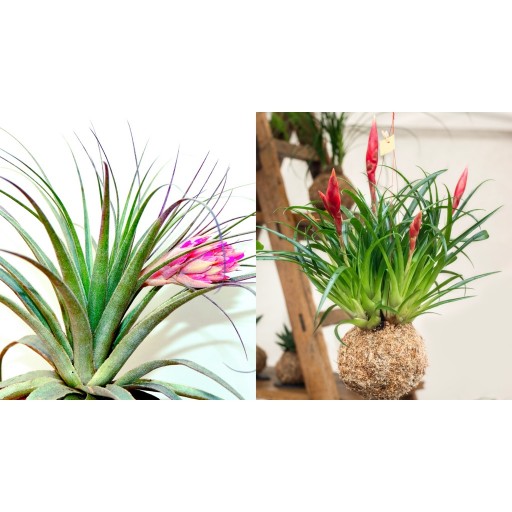
Creative decoration: Make green a space art
The "rootless" nature of air plants makes it an excellent material for home design. The following inspirations can be easily copied:
1. Natural wind hanging
Dead wood and hemp rope: Fix the air plants on driftwood or branches, hang them in front of the window with hemp rope, and sway in the wind like a forest elf.
Metal frame: Geometric metal frames are matched with multiple varieties to create a modern three-dimensional green wall.
2. Fusion of marine elements
Shells and conchs: Washed shells are drilled and embedded in plants, as if marine life and plants are symbiotic.
Glass container: Sand and gravel are spread in transparent glass jars, and air plants are placed in them, which are both moisturizing and ornamental (ventilation is required).
3. Renovation of discarded items
Red wine corks: Hollow out the center of the cork and insert mini varieties to make desk ornaments.
Old photo frame: Paste the plant in the photo frame, match it with dried flowers or moss, and it becomes a "breathing" decorative painting.
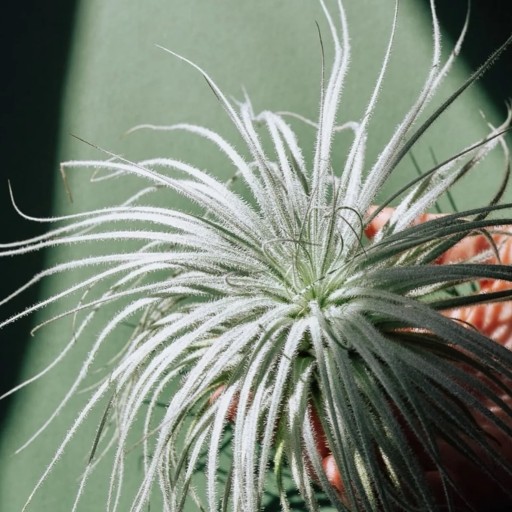
Note: Avoid maintenance minefields
1. Avoid confined space: Air plants need good ventilation and should not be placed in closed containers or stuffy corners for a long time.
2. Use glue to fix with caution: If hot melt glue is used for pasting, avoid the base of the leaves to avoid hindering water absorption.
3. Post-flowering treatment: After flowering, the mother plant will gradually wither, but the side buds will continue to grow. Timely separation can cultivate new plants.
Why choose air plants?
1. Purify the air: The leaves can absorb dust and formaldehyde, release oxygen at night, and improve indoor air quality.
2. Pet-friendly: Non-toxic and harmless, suitable for families with cats and dogs.
3. Super adaptability: It can survive from dry deserts to humid rainforests, and can be called the "survival master of the plant world."
The existence of air plants is not only a visual feast about the resilience of life, but also a metaphor of a philosophy of life-no complicated rules, just follow nature, and you can bloom with unique brilliance. Whether you are a busy urbanite or a novice gardener, it can inject a touch of smart greenery into your space with the lightest posture.
Now, it's time to let this magical plant that "drank air and grew up" light up your life!
 1
1 1
1OTHER NEWS
-
- Growing For The Planet: How Sustainable Gardening Practices Can Help To Mitigate Climate Change
- By Prodosh Kundu 28 Oct,2024
-
- Do you know these secrets of plants?
- By LH 18 Feb,2025

-
- How do you control pests and diseases in your garden
- By YL 12 Mar,2025

-
- How Organic Gardening Supplies Can Transform Your Garden And The Environment?
- By Prodosh Kundu 28 Oct,2024

-
- How terrible are carnivorous plants?
- By LH 12 Mar,2025
-
- Sustainable Gardening Starts With Organic Supplies
- By Prodosh Kundu 28 Oct,2024
-
- The Five Best Flowers for Newbies to Keep Alive
- By MTH 14 Mar,2025
-
- 15 kinds of flowers suitable for summer
- By LH 31 Mar,2025
-
- Hydroponic plants, gardening tips
- By LH 02 Apr,2025

-
- Here’s a complete guide on what you should prepare before planting your seeds.
- By Prodosh Kundu 18 Jul,2024

-
- The natural choice for indoor air purification five high-quality greenery recommendations
- By YL 14 Mar,2025
-
- Spring is here! Give Your Garden a New Look with These Gardening Tips
- By MTH 20 Feb,2025