How do you control pests and diseases in your garden
In our carefully tended gardens, flowers bloom and greenery abounds, which should be a space full of vitality and tranquility. However, the appearance of pests and diseases often breaks this harmony.
Yellowing of plant leaves, fading of flowers, or even death of the entire plant are all signals of pest and disease infestation. How to effectively control pests and diseases in the garden to maintain a healthy and beautiful green environment is a problem that every gardening enthusiast needs to face.
Pest control is not just about keeping plants looking beautiful, but also about maintaining an ecological balance and protecting the environment in which they grow. To do this, we need to understand the causes of pests and diseases, recognize the signs of pests and diseases, and adopt scientific, effective and sustainable control methods.
Understanding the causes of garden pests and diseases
Pests and diseases in the garden are often closely related to the environment in which the plants are growing. Climate, soil, humidity, light, and the health of the plants all influence the occurrence and development of pests and diseases.
Diseases and pests are more likely to thrive if plants in the garden are exposed to excessively wet or dry conditions for long periods of time. Poor soil or poor drainage can also weaken the immunity of plants, making them more susceptible to infestation.
The type and mix of plants can likewise affect pests and diseases. Some plants are naturally more sensitive to certain pests and diseases, while monoculture planting of certain types of plants can also increase the risk of spreading pests and diseases.
A varied mix of plants not only enriches the garden landscape, but also reduces the concentration of specific pests and diseases to some extent.
Recognizing Signs of Pests and Diseases
To effectively control pests and diseases, timely detection of problems is key. Different pests and diseases will leave different signs on plants.
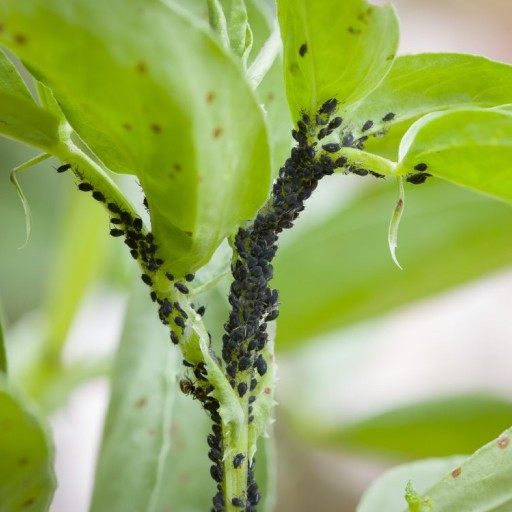
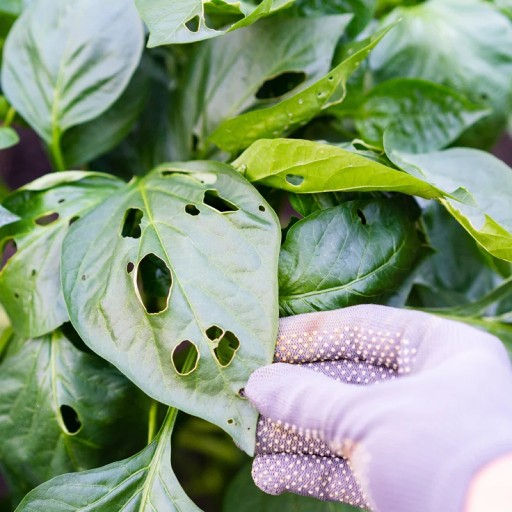
Plant leaves that appear irregularly spotted, discolored, curled or wilted may be the result of a disease infection or pest nibbling. Tiny white powder, black spots or webbing on the back of the leaves may be a sign of mealybugs, aphids or mites.
Flowers that wilt or drop prematurely, or buds that don't open properly, may be infected by fungus or bacteria. Roots that are rotting and blackening may be related to root disease or underground pests.
When small flying, crawling insects or moths appear around the plant, it is also important to be alert to whether they are harming the plant. These pests often interfere with healthy plant growth by nibbling on leaves, sucking sap, or laying eggs inside the plant.
Create a healthy growing environment
The best way to prevent pests and diseases is to provide a healthy, balanced growing environment for your plants. Healthy plants have a stronger immune system of their own and are better able to defend themselves against external aggressions.
Keeping the soil fertile and loose, turning the soil regularly and replenishing organic matter can provide sufficient nutrients and good drainage for plants. Reasonable watering and avoiding prolonged over-wetting or over-drying of the soil are effective measures to prevent root diseases.
Moderate pruning of plants, removing diseased leaves and dead branches, and keeping the plants ventilated and light-permeable will help reduce the breeding of diseases and pests. The density of plants in the garden should not be too high to avoid poor ventilation leading to moisture accumulation and providing breeding conditions for diseases.
Choose plant species that are suited to the local climate and soil; they are usually more resistant to local pests and diseases. Diversifying into different plants can also reduce the risk of large-scale outbreaks of a single pest or disease.
Physical control methods
Physical control is a simple and effective method in the early stages of a pest or disease. Manually removing affected leaves, flowers or areas where pests gather can prevent the spread of the disease. For larger pests such as snails and caterpillars, they can be caught and removed directly.
Protecting plants with fine mesh, fencing, or plant covers can be effective in preventing flying pests or rodent infestations. For some soil pests, the number of eggs and larvae can be reduced by turning the soil or exposing it to sunlight.
Proper crop rotation and intercropping of different plants is also an effective form of physical control. By changing plant species, the reproductive cycle of pests is disrupted, reducing the persistence of specific pests and diseases in the garden.
Biological Control Methods
Utilizing the natural ecosystems in the garden is also an important means of controlling pests and diseases. Introducing or protecting natural enemies in the garden such as ladybugs, spiders, frogs, birds, etc. can effectively control pest populations. These natural enemies feed on aphids, mites, caterpillars, etc. and help maintain ecological balance.
Planting plants with insect repellent properties, such as lavender, rosemary and mint, not only beautifies the garden, but also reduces pest infestation by emitting a special odor. Certain flowers and herbs attract pollinators and beneficial insects, thus creating a healthy ecosystem.
Use of Natural Agents
Without the use of chemicals, some control methods made of natural materials can be used. For example, a soap and water solution is effective in getting rid of aphids and mealybugs; garlic or chili pepper water sprays repel a wide range of pests; and a mixture of vegetable oil and water sprayed on leaves helps to control red spiders and mites.
Not only are these natural preparations safe for plants, they are also friendlier to other organisms in the garden. Care needs to be taken when using them in terms of dosage and frequency to avoid irritating plants or interfering with beneficial insect activity.
Preventing and controlling pests and diseases in the garden is a journey of wisdom to dance with nature.
By understanding the causes of pests and diseases, recognizing the signs in time, creating a healthy environment, and adopting a multi-faceted approach of physical, biological and natural agents, we can effectively maintain the ecological balance of our gardens without relying on chemicals.
A healthy and beautiful garden is not only a habitat for plants, but also a symbol of harmonious coexistence between man and nature. Take care of every leaf and flower with your heart and make your garden a green space full of vitality and joy.
 1
1 1
1OTHER NEWS
-
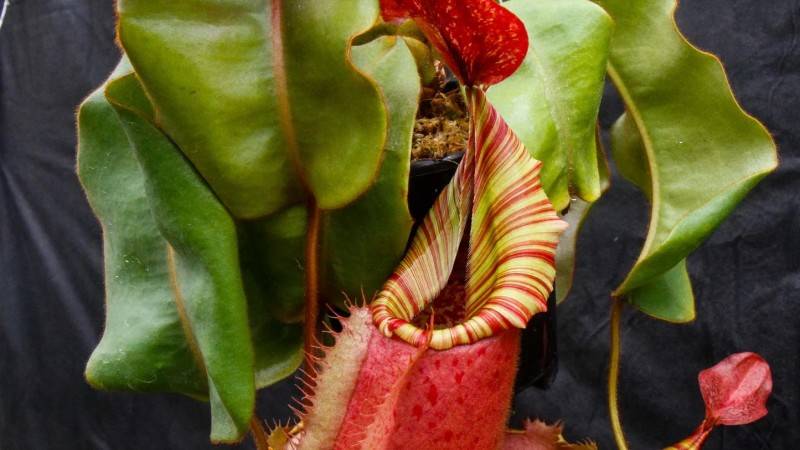
- How terrible are carnivorous plants?
- By LH 12 Mar,2025
-
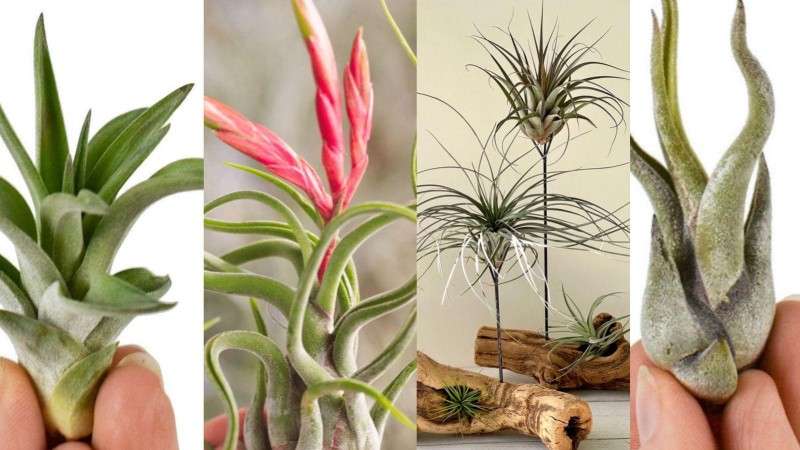
- Have you ever seen a magical plant that can grow by drinking air?
- By LH 14 Mar,2025
-
- What are the most ugly plants in the gardening world?
- By LH 09 Apr,2025
-
- The natural choice for indoor air purification five high-quality greenery recommendations
- By YL 14 Mar,2025
-
- From planting to caring for flowers that bloom forever
- By MTH 10 Mar,2025
-
- Hydroponic plants, gardening tips
- By LH 02 Apr,2025
-
- 15 kinds of flowers suitable for summer
- By LH 31 Mar,2025
-
- Vigilance! Keeping these kinds of plants indoors may harm your health
- By ZYY 09 Apr,2025
-
- How do you control pests and diseases in your garden
- By YL 12 Mar,2025
-
- Sustainable Gardening Starts With Organic Supplies
- By Prodosh Kundu 28 Oct,2024
-
- How to Choose the Best Lawn and Landscaping Services for Your Home
- By Prodosh Kundu 28 Aug,2024

-
- Planting Tips: Best Indoor Plants Recommendations and Care Guide
- By MTH 18 Feb,2025