From planting to caring for flowers that bloom forever
Having a sea of gorgeous flowers is a dream for many people in their busy lives. Delicate flowers not only add color to life, but also soothe and bring pleasure. But for flowers to grow from seed or seedling to blooming, long-lasting beauty, they need careful attention from planting to maintenance.
Preparation before planting
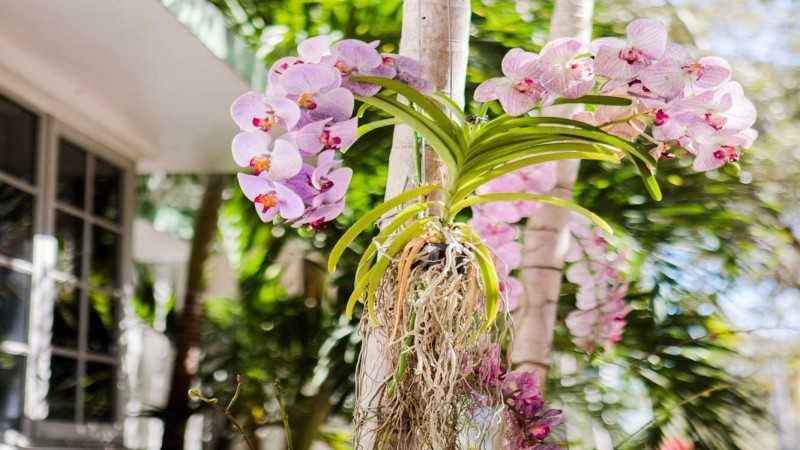
Choosing the right flower varieties: First of all, pick flowers according to the planting environment. For indoor planting, choose shade-tolerant plants, such as chlorophyll, hanging orchids, African violets, etc., which can grow well in diffused light conditions. If it is an outdoor garden, consider the local climatic conditions.
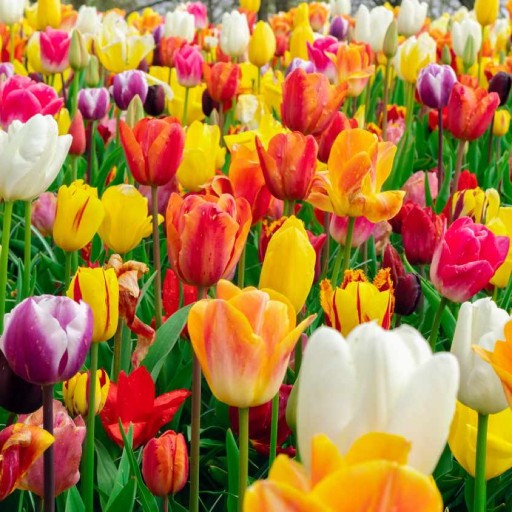
For example, in cold areas, choose tulips, hyacinths and other hardy flowers; hot areas can be planted sunflower, petunia and other heat-loving flowers. At the same time, but also combined with personal preferences, like flowers can choose roses, peonies; prefer leafy can consider the turtleback bamboo, colorful foliage, and so on.
Preparation of high-quality planting soil: soil is the basis for the growth of flowers. General flowers are suitable to grow in loose, fertile, well-drained soil.
You can mix the decomposed leaf soil, peat soil, perlite according to the ratio of 3:2:1, to provide flowers with good air permeability and water retention. For flowers that prefer acidic soil, such as azaleas and camellias, you can add the right amount of sulfur powder to regulate soil pH.
Pick the right planting container: the choice of container is also critical. The size of the pot should be determined according to the root system and growth rate of flowers, generally small flowers can be used in pots with a diameter of 10 - 15 centimeters, large flowers need a diameter of 25 centimeters or more pots.
In terms of materials, ceramic pots are breathable, plastic pots are lightweight and affordable, and porcelain pots are beautiful but less breathable.
Planting process
Sowing: For flowers propagated by seed, fill the pot with soil and water thoroughly. Then according to the size of the seeds for sowing, small seeds can be scattered directly on the soil surface, and then gently covered with a thin layer of soil, the thickness of about 2 - 3 times the diameter of the seeds.
For large seeds, dig small holes in the soil, put in the seeds and cover with soil. After sowing, cover the pots with cling film or glass to maintain soil moisture and temperature and to speed up germination.
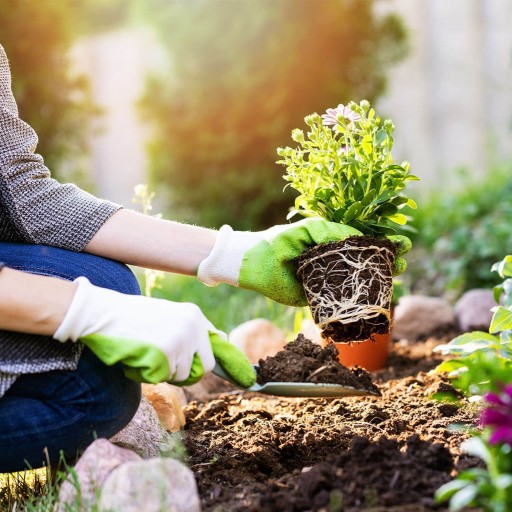
Seedling transplanting: When transplanting purchased seedlings or seedlings successfully propagated from cuttings, first spread a layer of broken tiles on the bottom of the new pot to facilitate drainage.
Then fill in part of the soil, put the seedling into the center of the pot, hold it upright and continue to fill in the soil, gently compaction, so that the soil and the root system in close contact. Immediately after transplanting, water the roots to allow the root system to fully absorb water.
Maintenance points
Light management: Different flowers have different light needs. Sun-loving flowers such as sunflowers, pomegranates, need more than 6 hours of direct light every day; shade-tolerant flowers such as bamboos, ferns, only need diffused light can be.
When the sun is strong in summer, the shade flowers should be shaded to avoid sunburn; in winter, the flowers can be moved to a sunny place to increase the light time.
Moisture management: watering is a key part of maintaining flowers. Generally follow the “see dry see wet” principle, that is, the soil surface is dry before watering, watering is watering through.
But different flowers have different water needs, succulents are drought-resistant, you can wait until the soil is completely dry before watering; and aquatic plants such as copper grass, you need to maintain adequate water.
Watering time is also concerned, summer in the morning and evening, to avoid high temperatures at noon watering, so as to avoid water temperature and soil temperature difference is too large damage to the root system; in winter, watering in the midday when the temperature is higher.
Fertilizer management: flower growth requires sufficient nutrients. In the flower growth period, can be every 1 - 2 weeks to apply a thin liquid fertilizer, nitrogen-based fertilizer, to promote the growth of branches and leaves.
In the bud differentiation period, to increase the application of phosphorus and potassium fertilizer, such as potassium dihydrogen phosphate, can promote bud differentiation and flowering. Fertilizer should pay attention to thin fertilizer, avoid thick fertilizer burning roots. Dormant flowers should stop fertilizer.
Pruning and shaping: regular pruning can keep flowers in a beautiful shape, but also promote growth and flowering. In the early growth of flowers, the shoots can be topped to promote the growth of lateral branches, increase the number of flowers.
After flowering, cut off the residual flowers in a timely manner to avoid nutrient depletion, and at the same time, dead branches, diseased branches, long branches, etc., pruning, to maintain plant ventilation and light. For some climbing flowers, it is also necessary to traction and tie, so that it grows in the expected direction.
Disease and Pest Control
Disease control: Common flower diseases include powdery mildew, black spot, root rot and so on. Powdery mildew mostly occurs in poorly ventilated environments with high humidity, and a white powdery substance appears on the surface of the leaves at the onset of the disease.
Prevention and control methods are to strengthen ventilation, reduce humidity, the onset of the early stage can be sprayed with carbendazim, powder rust and other fungicides.
Black spot disease will make the leaves appear black spots, serious leaf yellowing and falling off, can be timely removal of diseased leaves, regular spraying of chlorothalonil and other agents for prevention and control.
Root rot is mainly caused by overwatering, poor soil drainage, found in a timely manner to replace the soil, cut off the rotting root system, and use potassium permanganate solution to disinfect the replanting.
Pest control: flower pests are mainly aphids, red spider, mealybugs and so on. Aphids often gather on the shoot tips and flower buds to suck the sap, resulting in curled leaves and poor growth. Insecticides such as imidacloprid can be used for spray control, and soapy water can also be used to smear the damaged parts.
Red spider is easy to occur under high temperature and dry environment, which will make the leaves appear yellowish-white spots, and when it is serious, the leaves will be withered and yellow. Prevention and control methods are to increase air humidity and regularly spray with agents such as abamectin.
Mealybugs have a waxy layer on their body surface, which is difficult to control, so they can be removed with toothpicks and other tools, and then sprayed with agents such as Mealybug Bizhi.
As long as in the planting and maintenance process, the heart to do a good job in every aspect, from the soil, light, water, fertilizer to pest control, you can let the flowers thrive and bloom for a long time, bringing endless beauty and fragrance to life.
 1
1 1
1OTHER NEWS
-
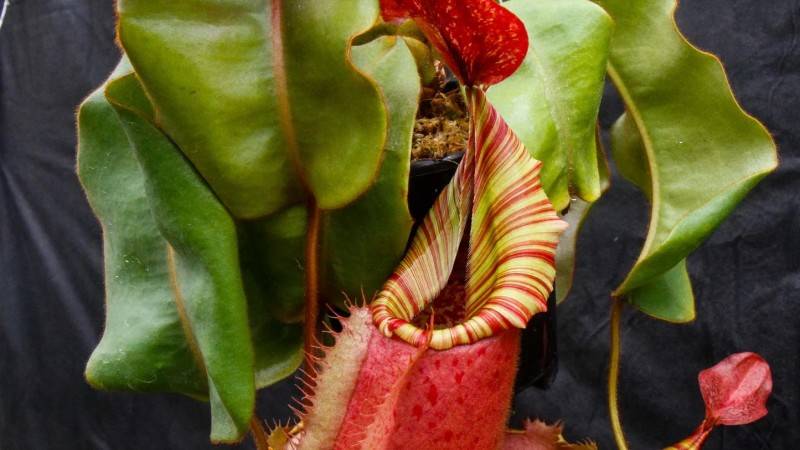
- How terrible are carnivorous plants?
- By LH 12 Mar,2025
-
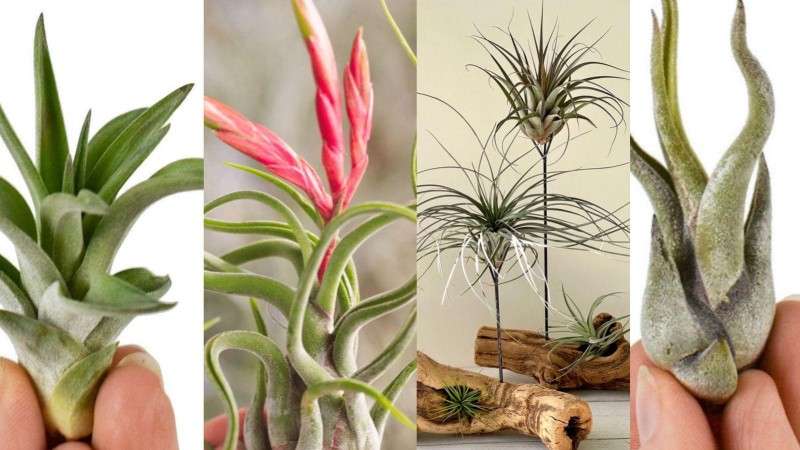
- Have you ever seen a magical plant that can grow by drinking air?
- By LH 14 Mar,2025
-
- What are the most ugly plants in the gardening world?
- By LH 09 Apr,2025
-
- The natural choice for indoor air purification five high-quality greenery recommendations
- By YL 14 Mar,2025
-
- From planting to caring for flowers that bloom forever
- By MTH 10 Mar,2025
-
- Hydroponic plants, gardening tips
- By LH 02 Apr,2025
-
- 15 kinds of flowers suitable for summer
- By LH 31 Mar,2025
-
- Vigilance! Keeping these kinds of plants indoors may harm your health
- By ZYY 09 Apr,2025
-
- How do you control pests and diseases in your garden
- By YL 12 Mar,2025

-
- Sustainable Gardening Starts With Organic Supplies
- By Prodosh Kundu 28 Oct,2024
-
- How to Choose the Best Lawn and Landscaping Services for Your Home
- By Prodosh Kundu 28 Aug,2024

-
- Planting Tips: Best Indoor Plants Recommendations and Care Guide
- By MTH 18 Feb,2025