15 kinds of flowers suitable for summer
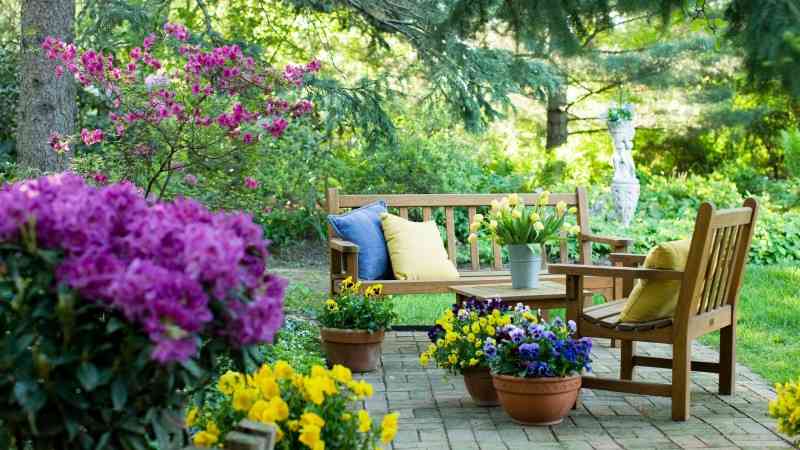
In summer, the sun is blazing, and the garden is full of life. In this season, choosing the right flower varieties can not only add brilliant colors to the garden, but also make it easy to enjoy the fun of growing flowers. The following are 15 kinds of flowers suitable for summer care, making your summer garden beautiful.
1. Petunia
Petunia has rich colors, including red, purple, white and other colors. The flowers are shaped like small trumpets and are very cute. It likes a sunny environment. In summer, it can be placed in a south-facing balcony or courtyard to receive sufficient light.
When planting, choose loose soil with good drainage, water 2-3 times a week, and keep the soil moist but not too wet. Petunia grows quickly, and regular pruning of dead flowers can promote the continuous opening of new flowers. The flowering period lasts from early summer to autumn.
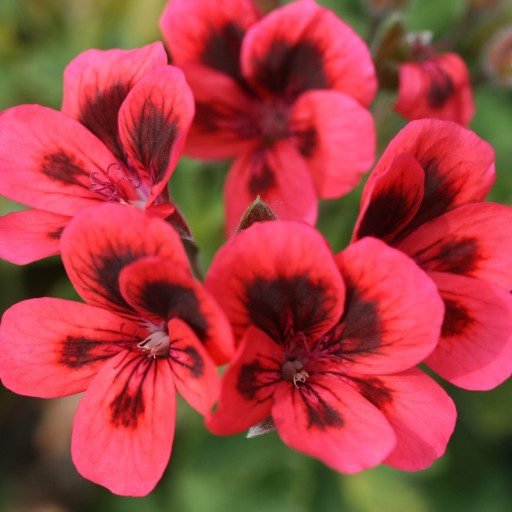
2. Pelargonium
Pelargonium flowers are spherical and colorful, with common colors such as pink and red. It is heat-resistant and drought-resistant, and it is relatively easy to maintain in summer. Geraniums need plenty of light, but they need to be shaded during the hottest hours (11am - 3pm) to avoid leaf burns.
Watering should follow the principle of "see dry and wet", and water only after the soil surface is dry. Applying a thin liquid fertilizer once a month can provide sufficient nutrients for its growth and make its flowers flourish.
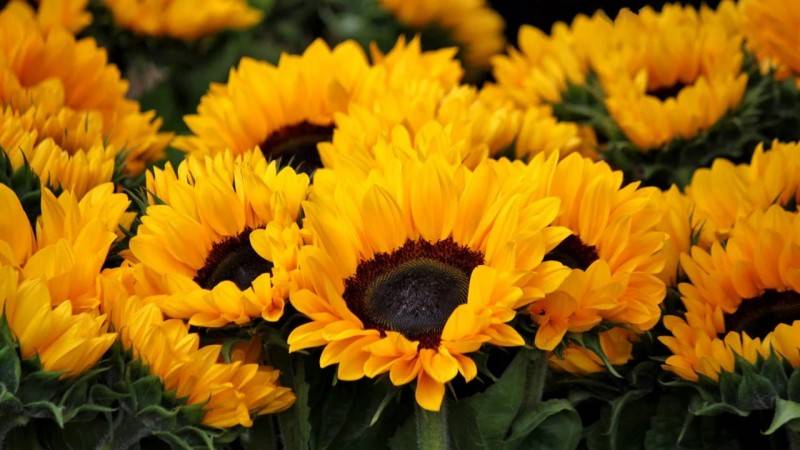
3. Sunflower (Helianthus annuus)
Sunflowers are loved for their golden flowers and their ability to chase the sun. It is a sun-loving plant and is best grown in full-sun conditions in summer. To plant sunflowers, choose fertile, well-drained soil, sow the seeds directly into the soil, and cover them with about 1-2 cm of soil.
Keep the soil moist during the growth period, and apply compound fertilizer containing nitrogen, phosphorus, and potassium every 1-2 weeks. Sunflowers grow quickly, and it usually takes only 2-3 months from sowing to flowering. The tall flower stems and large flower disks become a unique landscape in the garden.
4. Marigold (Tagetes erecta)
Marigold flowers are bright orange or yellow, full and have a unique fragrance that repels mosquitoes. It is highly adaptable and resistant to drought and heat. Marigolds are not demanding on soil, but grow best in loose, fertile soil. Plant it in a sunny place and water it 1-2 times a week.
In the early stages of growth, you can pinch the tops appropriately to promote the growth of side branches and increase the number of flowers. The flowering period lasts from summer to autumn.
5. Vinca (Catharanthus roseus)
The flowers of Vinca are small and exquisite, with a variety of colors such as pink and white, and the petals are five-petaled. It likes a high temperature, high humidity and sunny environment, and summer is its peak growth season. Use well-drained soil to grow Vinca, and place it outdoors in a well-ventilated and well-lit place.
Keep the soil moist and water it every 2-3 days. Apply a thin organic fertilizer once a month, and the vinca will continue to bloom, bringing lasting beauty to the garden.
6. Jasmine (Jasminum sambac)
Jasmine has a strong fragrance and its flowers are as white as snow. In summer, place it in a semi-shaded place to avoid direct sunlight and ensure sufficient scattered light. Jasmine likes acidic soil. You can use leaf mold and garden soil to mix the culture soil.
Keep the soil moist and water it once in the morning and evening every day. In summer, you can spray water on the leaves to increase the air humidity. Applying a thin alum fertilizer every 1-2 weeks can promote the vigorous growth of jasmine and numerous flowers.
7. Blue Snow Flower (Ceratostigma plumbaginoides)
The flowers of blue snow flower are light blue, fresh and elegant, bringing a touch of coolness in the hot summer. It likes a warm and sunny environment and is slightly shade-tolerant. Choose loose and fertile soil for planting blue snow flower, place it on a south-facing windowsill or balcony, and ensure 4-6 hours of light every day.
Water it once a day in summer to keep the soil moist. Apply compound fertilizer once a month, and the flowering period of blue snow flower can last from June to September.
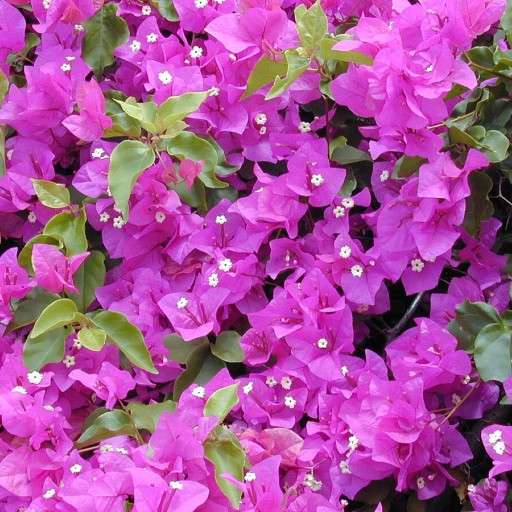
8. Bougainvillea spectabilis
Bougainvillea has bright bracts, including red, purple, pink and other colors, and has high ornamental value. It likes a sunny, warm and humid environment and is resistant to high temperatures. In summer, you can place Bougainvillea outdoors in a sunny place to allow it to receive sufficient light.
When watering, follow the principle of "no watering if not dry, and water thoroughly if watered" to avoid water accumulation and root rot. Applying organic fertilizer every 1-2 months can promote the flowering of Bougainvillea.
9. Mint (Mentha)
Mint not only has a refreshing aroma, but its leaves can also be used to make tea. It likes a warm, humid and sunny environment. When planting mint, choose loose and fertile soil and place it in a semi-shaded place to avoid direct sunlight.
Keep the soil moist and water it once a day. Regularly pruning the branches and leaves of mint can promote its lush growth and prevent leggy growth. Mint grows quickly and can add a refreshing green touch to the garden.
10. Dianthus chinensis
Dianthus flowers can be single or double petals, and come in a variety of colors, such as pink, red, and white. It is cold-resistant and drought-resistant, and prefers a sunny and well-ventilated environment. Choose well-drained, fertile soil for planting dianthus, and place it outdoors to receive sufficient light.
Water it 2-3 times a week and keep the soil slightly moist. Apply a thin liquid fertilizer every 2-3 weeks to make the dianthus flowers more colorful, and the flowering period lasts from May to October.
11. Ixora chinensis
Ixora chinensis has dense, spherical flowers in red, orange, and yellow. It likes a hot, humid, and sunny environment. Ixora chinensis is not very demanding on soil, but loose, fertile, well-drained acidic soil is preferred.
Plant it in a sunny place and water it once a day in summer to keep the soil moist. Applying compound fertilizer once a month can promote the continuous flowering of the Ixora grandiflora and add a warm atmosphere to the garden.
12. Portulaca grandiflora
The flowers of the Portulaca grandiflora are small and colorful, with red, yellow, purple and other colors. It has strong vitality, likes a sunny environment, and is extremely drought-resistant. The sunflower has low soil requirements and can grow in poor soil.
Plant it in a sunny place outdoors and water it 1-2 times a week. Sunflowers generally do not need to be fertilized. They have strong self-seeding ability and can reproduce naturally in the garden to form a colorful sea of flowers.
13. Impatiens balsamina
The flowers of Impatiens balsamina are unique in shape and bright in color. Common colors include pink, red, and white. It likes a sunny, warm and humid environment. Choose loose and fertile soil for planting Impatiens and place it in a well-ventilated and well-lit place outdoors.
Water once a day in summer to keep the soil moist. Apply a thin liquid fertilizer every 1-2 weeks, and the flowering period of Impatiens can last from June to September.
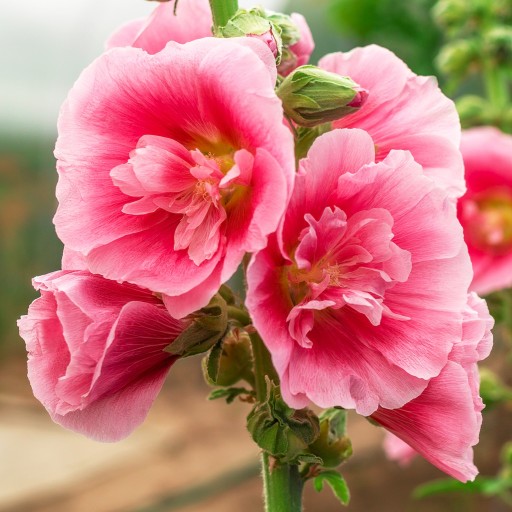
14. Hollyhock (Alcea rosea)
The flowers of hollyhock are large and bright, with a variety of colors such as red, pink, and white, and the flower stems are tall. It likes a sunny and cool environment and is relatively cold-resistant. Choose fertile and well-drained soil for planting hollyhocks, and plant them in a sunny place in the yard.
Water 2-3 times a week to keep the soil moist. In the early growth stage, you can apply appropriate fertilizer to promote plant growth. Hollyhocks are generally sown in spring and bloom in summer, which can add tall and beautiful landscapes to the garden.
15. Dahlia (Dahlia pinnata)
Dahlias have large flowers with rich colors, including red, purple, white, and various flower shapes. It likes a semi-shaded and cool environment, and is not cold-resistant or heat-resistant. In summer, dahlias need to be placed in semi-shaded places to avoid direct sunlight.
Choose loose, fertile, well-drained soil for planting dahlias, keep the soil moist, and water 2-3 times a week. Apply a thin liquid fertilizer every 1-2 weeks, and dahlias will bloom gorgeous flowers from summer to autumn.
In summer, let these 15 beautiful flowers bloom in your garden, bringing you a visual feast and filling your life with vitality and color. With proper maintenance, you will harvest a colorful summer garden and enjoy the beauty brought by flowers.
 1
1 1
1OTHER NEWS
-
- Growing For The Planet: How Sustainable Gardening Practices Can Help To Mitigate Climate Change
- By Prodosh Kundu 28 Oct,2024
-
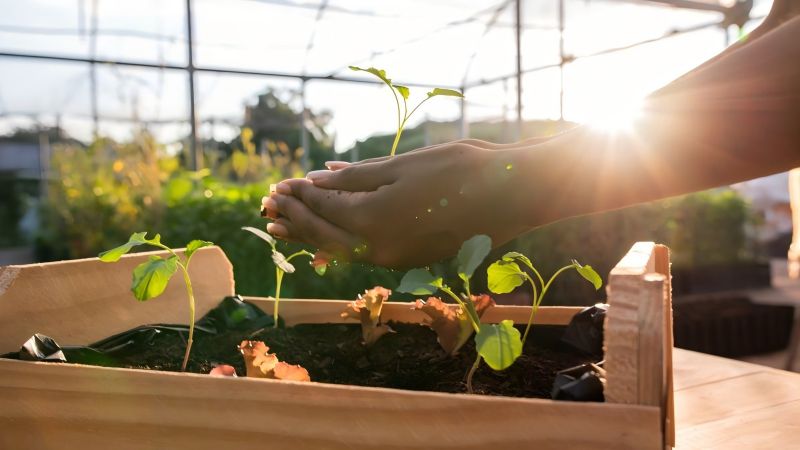
- Do you know these secrets of plants?
- By LH 18 Feb,2025
-
- How do you control pests and diseases in your garden
- By YL 12 Mar,2025

-
- How Organic Gardening Supplies Can Transform Your Garden And The Environment?
- By Prodosh Kundu 28 Oct,2024
-
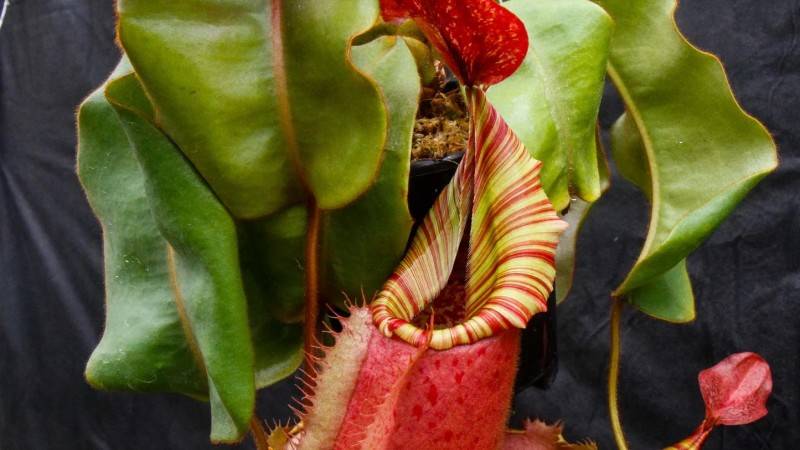
- How terrible are carnivorous plants?
- By LH 12 Mar,2025
-
- Sustainable Gardening Starts With Organic Supplies
- By Prodosh Kundu 28 Oct,2024
-
- The Five Best Flowers for Newbies to Keep Alive
- By MTH 14 Mar,2025
-
- 15 kinds of flowers suitable for summer
- By LH 31 Mar,2025
-
- Hydroponic plants, gardening tips
- By LH 02 Apr,2025
-
- Here’s a complete guide on what you should prepare before planting your seeds.
- By Prodosh Kundu 18 Jul,2024
-
- The natural choice for indoor air purification five high-quality greenery recommendations
- By YL 14 Mar,2025
-
- Spring is here! Give Your Garden a New Look with These Gardening Tips
- By MTH 20 Feb,2025