How to lose weight scientifically
In the pursuit of health and the ideal body shape of the road, many people try a variety of methods to lose weight, one of the most common practice is dieting. However, dieting often brings not only short-term weight loss, but more of a vicious cycle of decreased body metabolism, impaired health, and even weight rebound.
The key to healthy slimming lies not in extreme diet control, but in scientific and sustainable lifestyle adjustment. From dietary structure to exercise habits, from psychological adjustment to the rhythm of life, scientific weight loss is not only the process of losing weight, but also a way to make the body become healthier and more energetic.
Balanced diet: eating well is more important than eating less
The basis of scientific weight loss is a balanced diet, not blindly reducing food intake. The body needs a variety of nutrients to maintain normal functioning.
Long-term dieting will lead to insufficient intake of proteins, vitamins, minerals, etc., which in turn affects muscle, skin, internal organ function and even mood. A proper diet should contain the right amount of carbohydrates, high quality protein, healthy fats and plenty of dietary fiber.
Food choices are also crucial. Refined carbohydrates such as white rice and white bread tend to cause a rapid rise in blood sugar and promote fat accumulation, while complex carbohydrates such as whole grains, brown rice and quinoa can provide stable energy and avoid large fluctuations in blood sugar.
For protein, fish, poultry, beans, and eggs are rich in high-quality protein, which not only helps maintain muscle, but also increases satiety. Healthy fat sources such as avocado, nuts and olive oil are important for maintaining hormone balance and protecting cardiovascular health. In addition, vegetables and fruits are rich in dietary fiber, which aids in digestion and metabolism.
A sensible eating pattern is not only about the type of food, but also the timing and rhythm of eating. Many studies have shown that regular eating can help stabilize blood sugar levels and avoid overeating and fat accumulation.
Moderately reducing nighttime eating, especially avoiding excessive intake of high-calorie and high-sugar foods, is an important strategy for scientific weight loss.
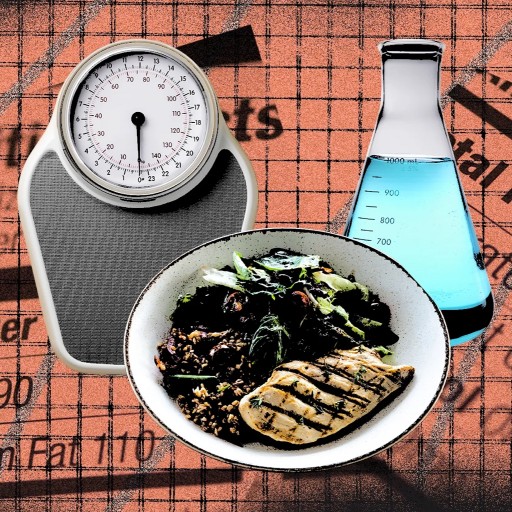
Moderate Exercise: Increase Metabolism and Shape Healthy Body Image
Dietary adjustments are the key to weight loss, but dietary control alone does not achieve the desired results. Moderate exercise not only accelerates fat burning, but also increases basal metabolism, allowing the body to consume more calories even when not exercising.
A scientific approach to exercise should combine aerobic exercise with strength training to enable the body to operate under different energy systems and improve the overall metabolic level.
Aerobic exercise is an effective way to burn fat, such as brisk walking, running, swimming and cycling, which can help the body burn a lot of energy and improve cardiorespiratory fitness. For those who are new to exercise, 30-60 minutes of moderate aerobic exercise per day can help stabilize weight and improve overall health.
In addition to aerobic exercise, strength training should not be overlooked. Many people worry that strength training will lead to a bulky body, but in fact, the right amount of muscle growth will not only not make people look bigger, but will make the body tighter and more proportional.
Strength training also increases basal metabolism, which burns more calories even at rest. Simple squats, push-ups, and weightlifting exercises can be done at home without complicated equipment.
Moderate exercise does not mean high-intensity, large load training, everyone's physical condition is different, to find the right way to exercise is the key. Whether it is yoga, dancing, climbing, or swimming, cycling, choose your favorite type of exercise, and maintain long-term adherence, is the right way to scientific slimming.
Sleep and stress management: let the body regulate itself
Good sleep habits are an important part of healthy weight loss. Lack of sleep affects the level of hormones in the body, especially the balance of hunger hormone and leptin, leading to increased appetite and decreased metabolism, thus affecting weight loss.
Studies have shown that people who sleep less than 6 hours a night are at a higher risk of weight gain. Therefore, ensuring 7-9 hours of quality sleep a day helps the body to metabolize properly, repair tissues, and maintain healthy hormone levels.
Stress management is equally important. In a high-stress environment, the body secretes more cortisol, a hormone that promotes fat accumulation, especially in the abdomen.
There are many ways to relieve stress, such as meditation, deep breathing, yoga, listening to music, reading, etc. Finding a way to relax that works for you will help maintain a stable mindset and healthy weight management.
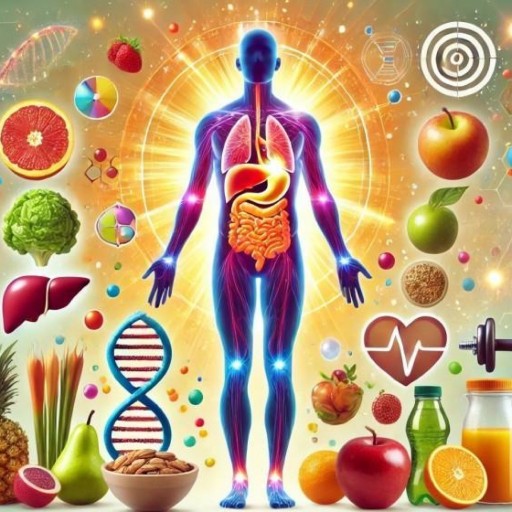
Drinking water and metabolism: water is a natural metabolism booster
Water plays a vital role in the body's metabolic process. Adequate water intake can help maintain the body's normal functioning, accelerate fat decomposition and promote metabolism. Insufficient water daily will affect the operation of the digestive system, and lead to body edema, giving people a “fat” feeling.
In addition to ordinary drinking water, moderate consumption of warm water, lemonade, green tea, etc. can also help promote metabolism. The tea polyphenols and caffeine in green tea are believed to help increase the fat burning rate, while lemon water can improve intestinal health and help digestion.
Healthy slimming is a lifestyle change, not a short-term action
Many people fall into the misconception that they want to quickly achieve their ideal weight through extreme methods over a short period of time. However, short-term dieting and excessive exercise often bring only temporary weight loss, and once the original diet and routine are restored, the weight will soon rebound.
The real science of slimming is not to rely on a “quick results” method, but by adjusting lifestyle habits, so that the body gradually adapted to a healthy rhythm.
Improve the diet structure, regular exercise, ensure adequate sleep, stress management, maintain good drinking habits, every detail of the adjustment will make the body become healthier, but also make weight loss become more sustainable.
The key to scientific slimming is to find a method that suits you and stick to it in your daily life. When slimming is no longer a deliberate restriction but a healthy lifestyle, the ideal weight and body shape will come naturally.
 1
1 1
1OTHER NEWS
-
- How terrible are carnivorous plants?
- By LH 12 Mar,2025

-
- Have you ever seen a magical plant that can grow by drinking air?
- By LH 14 Mar,2025

-
- What are the most ugly plants in the gardening world?
- By LH 09 Apr,2025

-
- The natural choice for indoor air purification five high-quality greenery recommendations
- By YL 14 Mar,2025

-
- From planting to caring for flowers that bloom forever
- By MTH 10 Mar,2025

-
- Hydroponic plants, gardening tips
- By LH 02 Apr,2025

-
- 15 kinds of flowers suitable for summer
- By LH 31 Mar,2025

-
- Vigilance! Keeping these kinds of plants indoors may harm your health
- By ZYY 09 Apr,2025

-
- How do you control pests and diseases in your garden
- By YL 12 Mar,2025

-
- Sustainable Gardening Starts With Organic Supplies
- By Prodosh Kundu 28 Oct,2024

-
- How to Choose the Best Lawn and Landscaping Services for Your Home
- By Prodosh Kundu 28 Aug,2024

-
- Planting Tips: Best Indoor Plants Recommendations and Care Guide
- By MTH 18 Feb,2025