Top 5 Low Sugar Fruits to Guard Your Blood Sugar
You're craving sweets, but a voice in your head is reminding you - “Watch your blood sugar!” Maybe you're diabetic, pre-diabetic, or you're just trying to avoid the energy drop that comes with eating too much sugar. But here's the thing: giving up sweets altogether? That's not going to happen. The good news? You don't have to.
Nature has provided you with fruits that are naturally low in sugar, but they're still packed with flavor, vitamins, and all the good stuff your body needs. These fruits won't send your blood sugar on a roller coaster ride, and they also provide the added benefits of fiber, antioxidants and hydration.
Here are five low-sugar fruits that will satisfy your sweet tooth while keeping your blood sugar stable.
1. Berries
If you were to pick the ultimate low-sugar fruit, berries would take the crown. Strawberries, blueberries, raspberries and blackberries are not only beautiful to look at, but they're full of fiber and antioxidants, and have a surprisingly low impact on your blood sugar.
Grab a handful of raspberries and pop them in your mouth for the perfect blend of sweetness and tartness. The best part? A whole cup of raspberries contains only about 5 grams of sugar! The most amazing thing is the fiber.
The berries are full of fiber, which slows down the absorption of sugar in the body. This means no sudden sugar spikes or subsequent “crash”. Additionally, the fiber keeps you feeling full so you won't go back to unhealthy snacking an hour later. How to enjoy berries without rushing to sugar:
-Toss berries into Greek yogurt for a creamy, low-sugar dessert!
-Blend berries with unsweetened almond milk to make a smoothie
-Add them to salads to make them fresh and juicy
-Freeze them and serve them like little natural popsicles -Berries prove that you can indulge in sweetness without worrying about spiking your blood sugar.
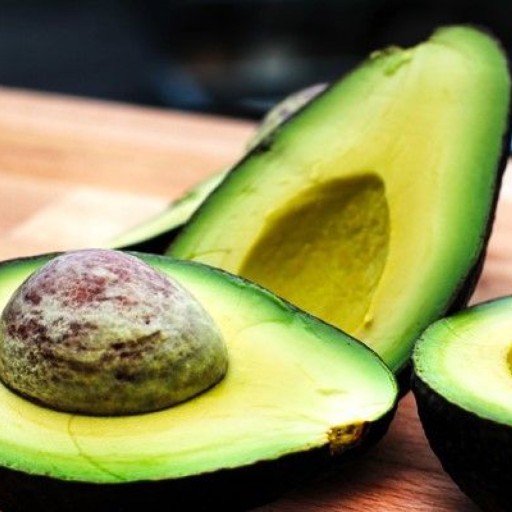
2. avocado
Wait, what? Avocado is a fruit? Yes, and it's a great fruit for blood sugar control. Unlike most fruits, avocados are low in sugar and full of healthy fats - helping to stabilize blood sugar instead of spiking it. Let's be real: avocados are our savior.
They're creamy, satisfying, and versatile. You can spread them on toast, mash them up to make guacamole, or even blend them into smoothies. And guess what? A whole avocado contains less than 1 gram of sugar. But there's more deliciousness.
The healthy fats in avocados slow down digestion and help keep blood sugar stable after meals. In addition, avocados are rich in potassium and fiber, both of which contribute to overall health. Easy ways to enjoy avocados**:
-Mash avocado on whole wheat toast and sprinkle with salt.
-Add sliced avocado to sandwiches or wraps for extra creamy flavor
-Blend it into smoothies for a rich and creamy texture.
-Mix it with eggs for a super-rich breakfast -Avocado proves that not all delicious foods are bad for your blood sugar.
3. Apples
You might be surprised to see apples on the list. After all, they taste sweet. But here's the secret: apples contain a moderate amount of sugar, but their high fiber content helps prevent blood sugar spikes.
A medium-sized apple contains about 19 grams of sugar, which may seem high at first glance. But before you write them off, consider this: most of the sugar is naturally balanced out by fiber, which slows digestion and prevents sugar from entering the bloodstream too quickly.
Honestly, there's nothing more pleasant than biting into a crisp, juicy apple. It's satisfying, refreshing, and keeps you full for hours. If you're looking for the best apple varieties, opt for green apples, which have less sugar compared to red apples, but still have a crisp flavor. How to make the most of apples without adding sugar:
-Pair apple slices with walnut oil for a balanced snack!
-Chop apples into salads to enjoy their natural sweetness
-Bake apples with almonds for a warm, cozy treat.
-Eat apples whole, with the skin on, for full fiber intake. An apple a day may not keep the doctor away, but it will keep your blood sugar happy.
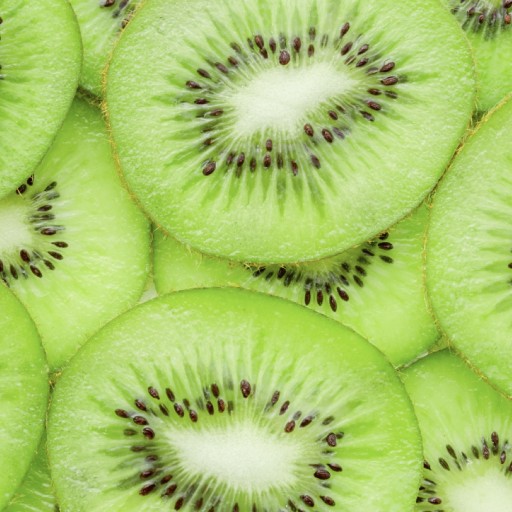
4. Kiwi
Kiwifruit may be small, but it's full of vitamins. It's rich in vitamin C, antioxidants and fiber, and it's relatively low in sugar. A medium-sized kiwi contains only about 6 grams of sugar, making it a great choice for controlling blood sugar.
If you've never tasted kiwifruit, you're missing out. Kiwifruit is a unique combination of sweet and sour flavors, and its tiny seeds add a crunchy texture. In addition, the fiber in kiwifruit slows down the absorption of sugar, which means you can taste the sweetness without feeling hungry. Delicious ways to enjoy kiwifruit:
-Scoop it out with a spoon and eat it straight from the skin.
-Slice into yogurt or oatmeal for a refreshing fruity flavor
-Blend it with other low-sugar fruits to make smoothies.
-Add it to fruit salads for extra flavor. Kiwis are the perfect example of how a sweet tooth is good for you.
5. Oranges
You might think that oranges are too sweet to make the list, but guess what? A medium-sized orange only contains about 12 grams of sugar, which is lower than many other fruits. Plus, oranges are full of fiber, vitamin C, and water, making them a great choice for stabilizing blood sugar.
Here's the trick: Eat the whole fruit, not the juice. Orange juice removes the fiber and leaves you with concentrated sugar. But when you eat a whole orange, the fiber slows down the absorption of sugar, keeping your blood sugar stable. Realistically, peeling and eating a fresh orange is more satisfying than drinking juice.
The juicy texture, the fresh citrus flavor - it's actually a treat that's good for you. The best way to enjoy an orange without the added sugar:
-Eat oranges whole for a refreshing snack!
-Add orange slices to salads for citrus flavor
-Toss oranges into Greek yogurt for a creamy, rich flavor.
-Pair with nuts to balance out natural sugars and sweeten oranges without being cloying.
 1
1 1
1OTHER NEWS
-
- How terrible are carnivorous plants?
- By LH 12 Mar,2025

-
- Have you ever seen a magical plant that can grow by drinking air?
- By LH 14 Mar,2025

-
- What are the most ugly plants in the gardening world?
- By LH 09 Apr,2025

-
- The natural choice for indoor air purification five high-quality greenery recommendations
- By YL 14 Mar,2025

-
- From planting to caring for flowers that bloom forever
- By MTH 10 Mar,2025

-
- Hydroponic plants, gardening tips
- By LH 02 Apr,2025
-
- 15 kinds of flowers suitable for summer
- By LH 31 Mar,2025

-
- Vigilance! Keeping these kinds of plants indoors may harm your health
- By ZYY 09 Apr,2025
-
- How do you control pests and diseases in your garden
- By YL 12 Mar,2025

-
- Sustainable Gardening Starts With Organic Supplies
- By Prodosh Kundu 28 Oct,2024

-
- How to Choose the Best Lawn and Landscaping Services for Your Home
- By Prodosh Kundu 28 Aug,2024

-
- Planting Tips: Best Indoor Plants Recommendations and Care Guide
- By MTH 18 Feb,2025