Planting Tips: Best Indoor Plants Recommendations and Care Guide
In our busy lives, bringing nature indoors not only adds vitality and beauty to the space, but also improves air quality and soothes the mind and body. But in the face of a wide range of plant varieties, how to choose suitable for indoor planting and easy maintenance of plants?
First, green: the first choice for novice beginners
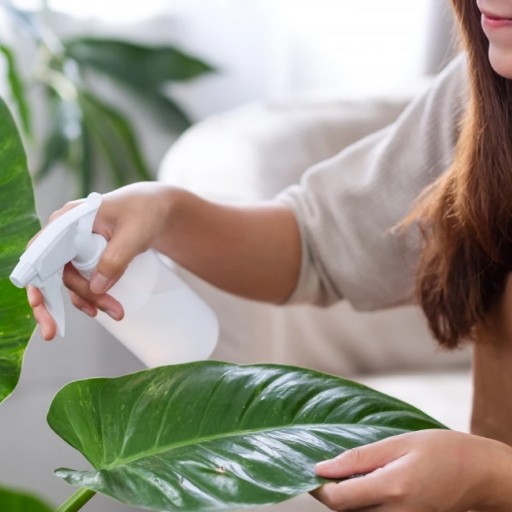
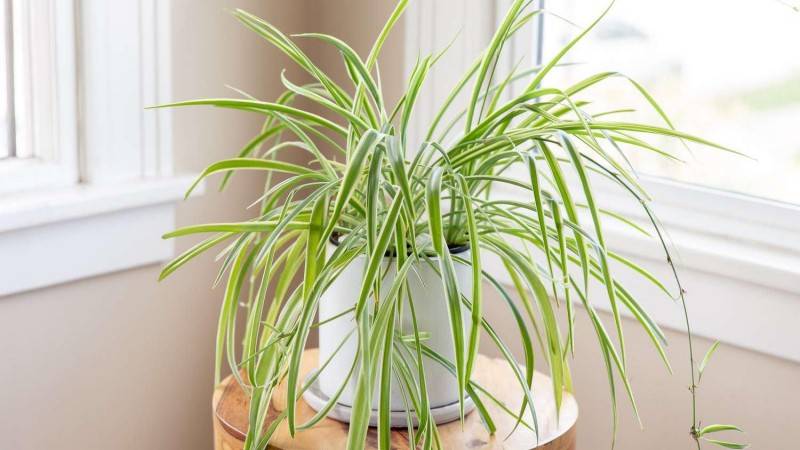
Green can be said to be indoor plants in the “star player”, with its tenacious vitality and simple maintenance needs are highly favored. Its leaves are bright green, heart-shaped, branches naturally drooping, whether hanging in front of the window or placed on the bookshelf, can add a touch of fresh green indoors.
Maintenance points:
Light: the green is adaptable, the light requirements are not high. It grows well in semi-shade, avoid direct sunlight or the leaves may be burned. Put it indoors in a bright but no direct sunlight place, such as the corner of the living room, the desktop of the office, etc., and the greenery will thrive.
Watering: Follow the principle of “see dry, see wet”. When the surface of the soil is dry, you can water, and the amount of watering each time to wet the soil but not waterlogged. In summer, high temperatures, water evaporation fast, can be appropriate to increase the frequency of watering; winter to reduce watering, to avoid low temperature and humidity caused by root rot.
Fertilizer: During the peak growth period (spring and summer), apply a thin liquid fertilizer 1 - 2 times a month, which can provide sufficient nutrients for the greens and make the leaves more green and lush. Slow growth in winter, can stop fertilizer.
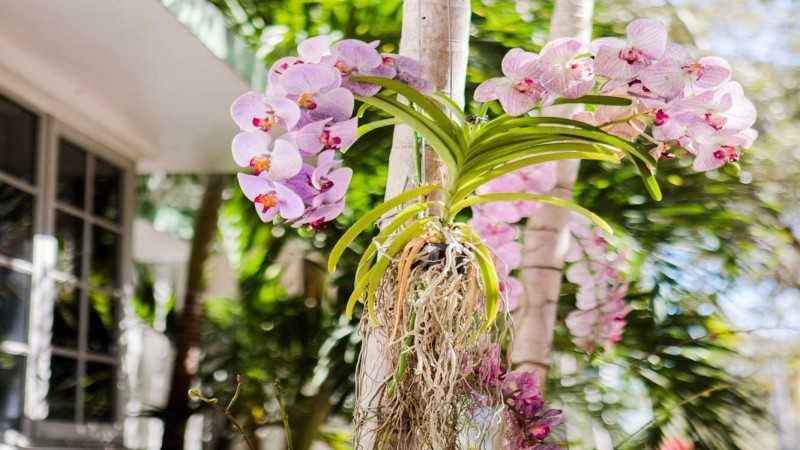
Second, hanging orchids: air purification can be small hand
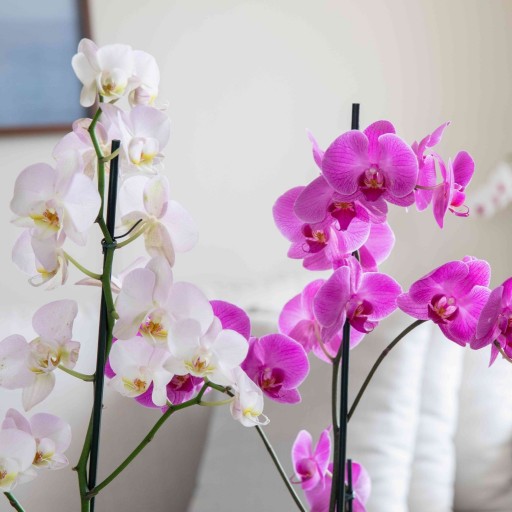
Hanging orchid leaves are slender and soft, from the leaf axils of the stolons, both like flowers and butterflies, evergreen, ornamental. It is also recognized as an air purification plant, can effectively absorb formaldehyde, benzene and other harmful substances in the air, for the family's health.
Maintenance points:
Light: Hanging orchids like semi-shade environment, can be placed in the place where there is diffused light, such as the window sill side, the inside of the balcony and so on. Avoid direct light in summer to prevent the leaves from yellowing and drying up; in winter, you can increase the light time appropriately to allow the orchid to photosynthesize better.
Watering: Hanging orchids like moist, but do not tolerate stagnant water. Keep the soil moist, generally water 2-3 times a week, the specific frequency can be adjusted according to the season and environmental humidity. Water thoroughly so that the water can fully penetrate into the soil.
Fertilizer: Apply a thin liquid fertilizer every 2-3 weeks during the growing season to promote the growth of the orchid and the production of stolons. Be careful not to get the fertilizer on the leaves when applying fertilizer, so as not to burn the leaves.
Third, succulents: cute and lovely lazy plants
Succulents with their small and delicate appearance and rich and varied varieties, has become the favorite of many plant lovers. Their leaves are fat and juicy, naive, and some will bloom beautiful flowers in a particular season.
Maintenance Points:
Light: most succulents like plenty of sunlight, put them on a sunny windowsill or balcony, to ensure at least 4 - 6 hours of light every day, can make the succulent leaves more full, bright color. However, during the high temperature of summer, it is important to provide proper shade to avoid burning of the leaves due to strong sunlight.
Watering: Succulents are drought-resistant and require less water. Follow the principle of “watering through dryness”, wait until the soil is completely dry before watering, and the amount of water each time should be moderate to avoid waterlogging. Generally speaking, water 1 - 2 times a week in spring and fall, and reduce the frequency of watering in summer and winter.
Fertilizing: Succulents grow slowly and do not require much fertilizer. During the growing season, apply a dilute succulent fertilizer once every 2-3 months. Fertilizer should pay attention to the control of fertilizer dosage, to avoid excessive fertilization resulting in fertilizer damage.
Fourth, the turtleback bamboo: the elegant charm of the net red green plant
Turtleback bamboo leaves have a unique shape, dark green, with many irregular holes in the leaves, resembling the back of a turtle, hence the name. It has a strong tropical flavor, placed in the interior, can instantly enhance the style and taste of the space.
Maintenance points:
Light: Turtleback Bamboo likes bright scattered light, can be placed in the indoor light better place, but to avoid direct sunlight. In summer, when the sun is strong, you can move it to indoor shade, or use the shade net for shade.
Watering: Turtleback Bamboo has a high demand for water, keep the soil moist, but not waterlogged. In summer, when the temperature is high and the water evaporates quickly, water it once a day in the morning and once in the evening, and often spray water on the leaves to increase the humidity of the air; in winter, you can appropriately reduce the number of times of watering, and water it 1 - 2 times a week.
Fertilizer: In the growing season, apply 1 - 2 times a month of thin liquid fertilizer, mainly nitrogen fertilizer, with an appropriate amount of phosphorus and potassium fertilizer, can promote the growth of the turtleback bamboo and the development of leaves. Winter growth is slow, can stop fertilizer.
Fifth, tiger orchid: simple atmosphere of the tough choice
Tiger Balm leaves are upright, hard and upright, with unique markings on the leaves, such as the beautiful tiger's tail, giving people a sense of simplicity and atmosphere. It not only has high ornamental value, but also can absorb carbon dioxide and release oxygen at night to improve indoor air quality.
Maintenance points:
Light: Tiger Balm is highly adaptable and can grow in sunny or semi-shady environments. Place it indoors where there is bright light, such as the living room, bedroom, etc., can grow well. Avoid direct sunlight in summer to avoid leaf burns.
Watering: Tiger lilies are drought tolerant and require less water. Follow the principle of “dry rather than wet”, wait for the soil to dry out before watering, and the amount of water should not be too much each time to avoid stagnant water leading to root rot. Generally speaking, water every 2 - 3 weeks in spring and fall, once a week in summer and once a month in winter.
Fertilizer: Tiger lilies grow slowly and do not require much fertilizer. During the growing season, apply a thin compound fertilizer once every 2 - 3 months. When applying fertilizer, pay attention to control the amount of fertilizer to avoid over-fertilizing and causing fertilizer damage.
By choosing the right plants for indoor growing and mastering the right care methods, you can let these green elves thrive indoors and bring endless beauty to our lives. Whether you are a busy office worker or a homeowner who loves life, you can find your own fun in indoor planting. Take action and add a touch of green to your home!
 1
1 1
1OTHER NEWS
-
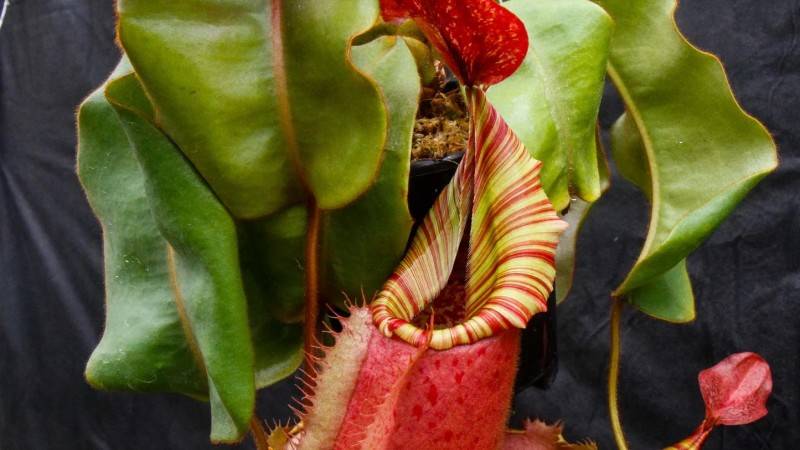
- How terrible are carnivorous plants?
- By LH 12 Mar,2025
-
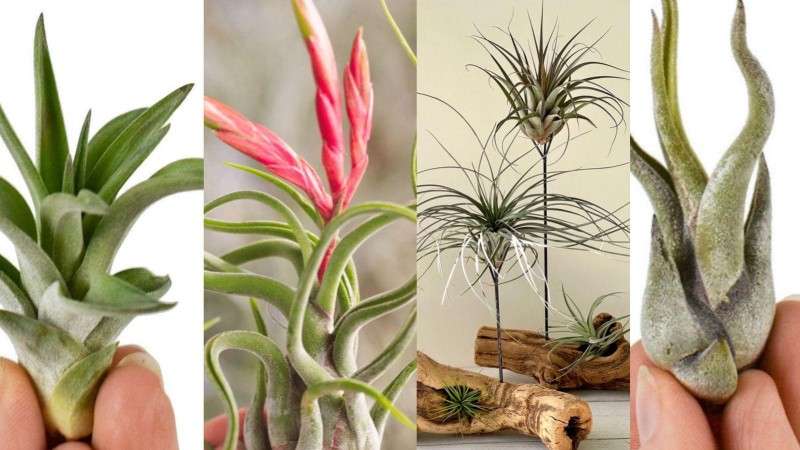
- Have you ever seen a magical plant that can grow by drinking air?
- By LH 14 Mar,2025
-
- What are the most ugly plants in the gardening world?
- By LH 09 Apr,2025

-
- The natural choice for indoor air purification five high-quality greenery recommendations
- By YL 14 Mar,2025
-
- From planting to caring for flowers that bloom forever
- By MTH 10 Mar,2025

-
- Hydroponic plants, gardening tips
- By LH 02 Apr,2025

-
- 15 kinds of flowers suitable for summer
- By LH 31 Mar,2025
-
- Vigilance! Keeping these kinds of plants indoors may harm your health
- By ZYY 09 Apr,2025
-
- How do you control pests and diseases in your garden
- By YL 12 Mar,2025

-
- Sustainable Gardening Starts With Organic Supplies
- By Prodosh Kundu 28 Oct,2024
-
- How to Choose the Best Lawn and Landscaping Services for Your Home
- By Prodosh Kundu 28 Aug,2024

-
- Planting Tips: Best Indoor Plants Recommendations and Care Guide
- By MTH 18 Feb,2025