What are the most ugly plants in the gardening world?
In the world of gardening, beauty is often associated with bright colors, elegant shapes, and charming fragrances. However, there is a group of plants that defy this stereotype. These so-called "ugly plants" may not have the traditional charm of the more popular plants, but they have their own unique appeal and important ecological significance.
Let's take a closer look at these overlooked "heroes" in the plant kingdom.
Corpse Flower (Arum titanum)
The corpse flower may be one of the most notorious "ugly plants" in the gardening world. When it blooms, it releases a pungent odor that smells like rotting meat, which is why it got its name. In fact, this unpleasant smell is an ingenious survival strategy. It attracts insects that feed on carrion, such as flies and beetles, which help pollinate the flowers.
The corpse flower is also eye-catching in appearance. Its inflorescence can reach up to 10 feet tall, with a large, fleshy spathe surrounded by a circle of wrinkled chestnut bracts. The overall appearance is somewhat like an alien creature, and its shape and color combination are very different from the delicate flowers we usually see in the garden.
Despite its unpleasant smell and strange appearance, the corpse flower is highly sought after in botanical gardens around the world. It is extremely rare and blooms very rarely, perhaps only once every few years, and each time it blooms, it attracts a large number of curious spectators to come and watch.
African Egret Flower
The African Egret Flower is a parasitic plant with an extremely strange appearance. It has no chlorophyll and the entire plant grows underground except for the flowers. The flowers drill out of the soil and look like a weird, tough thing. The flowers are usually brown or black, with a rough and bumpy texture.
Its shape is a bit like a bulb, with a wide opening at the top. There are many tiny tooth-like structures inside the flower. This plant is not only unsightly in appearance, but also has a very unpleasant smell, similar to the smell of feces.
It also attracts insects through smell, and insects will be trapped inside after entering the flower, thus helping to complete pollination. The unique adaptation of the African Egret Flower to a parasitic life and its strange appearance make it an interesting object of study for botanists and a novelty for those who stumble upon it in its natural habitat.
Dead Horse Arum (Arum odorata)
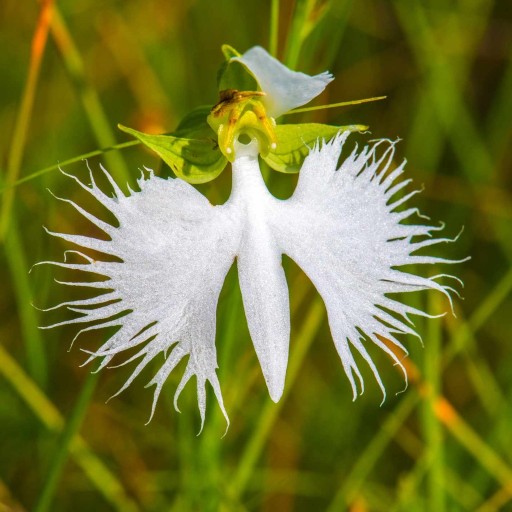
The Dead Horse Arum is another plant that stands out for its ugliness. Its broad, arrow-shaped leaves are dark green, and when it blooms, the flowers are unremarkable at first glance. The flowers consist of a long, purple-brown spathe and a hood-like bract. What really makes this plant special is its smell.
As its name suggests, it emits a strong, rancid odor, like a rotting animal carcass. The smell is so strong that it can be smelled from a considerable distance. The main pollinator of the Dead Horse Arum is flies, which are attracted by the smell.
Once inside the flower, the flies are temporarily trapped, and in the process of struggling to escape, they carry and spread pollen. Despite its unpleasant characteristics, it plays an important role in the ecosystem in which it lives, contributing to the biodiversity of the area where it grows.
Rafflesia (Arnoldii)
The Rafflesia is known as the world's largest flower, but its size does not equate to beauty. This parasitic plant has no stems, leaves, or roots of its own, but grows within the tissues of its host vine. When it blooms, the flowers can reach up to 3 feet in diameter.
The flowers are thick and fleshy, with a mottled reddish-brown color that looks messy. It also emits a strong, unpleasant odor, similar to that of rotting meat. This odor, along with its large size and odd shape, make the Rafflesia an extremely unique and, in some people's eyes, even "ugly" plant.
However, it is a critically endangered species, and efforts are being made to conserve it due to its ecological importance and rarity.
Welwitschia
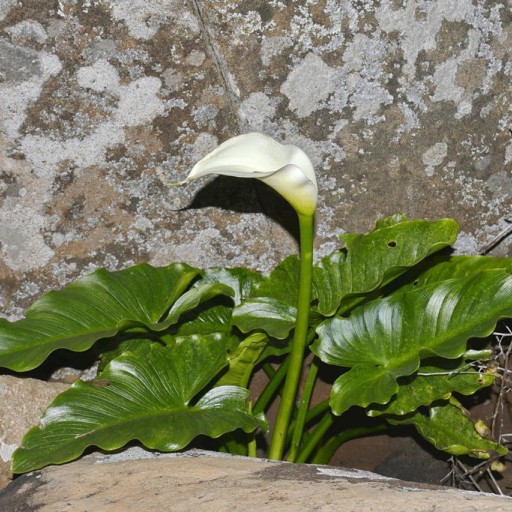
The Welwitschia is a living fossil plant that has a rather strange appearance and is not aesthetically pleasing to some. It has a short, thick stem that can reach a diameter of up to two meters. From the stem grow two long, strap-like leaves that continue to grow throughout the plant's life cycle.
The leaves can grow up to 6 meters in length, but over time they become ragged and cracked, giving the plant a somewhat unkempt appearance. The plant is usually a dark gray-green in color. The Welwitschia has adapted to the harsh desert conditions of southwestern Africa.
Its unique appearance and remarkable ability to survive for thousands of years make it a subject of great interest to botanists, although in the horticultural world it might be hard to win a beauty contest.
These "ugly plants" may not be the first choice for a traditional flower bed, but they are an important part of Earth's biodiversity. Each of them has evolved unique features to survive in their respective habitats, and they all play an important role in the ecosystems in which they live.
So, next time you're in your garden or exploring the natural world, don't overlook these weird and wonderful plants. They may not be beautiful in the traditional sense, but they have their own charm and importance.
 1
1 1
1OTHER NEWS
-
- Growing For The Planet: How Sustainable Gardening Practices Can Help To Mitigate Climate Change
- By Prodosh Kundu 28 Oct,2024
-
- Do you know these secrets of plants?
- By LH 18 Feb,2025
-
- How do you control pests and diseases in your garden
- By YL 12 Mar,2025

-
- How Organic Gardening Supplies Can Transform Your Garden And The Environment?
- By Prodosh Kundu 28 Oct,2024
-
- How terrible are carnivorous plants?
- By LH 12 Mar,2025
-
- Sustainable Gardening Starts With Organic Supplies
- By Prodosh Kundu 28 Oct,2024
-
- The Five Best Flowers for Newbies to Keep Alive
- By MTH 14 Mar,2025
-
- 15 kinds of flowers suitable for summer
- By LH 31 Mar,2025
-
- Hydroponic plants, gardening tips
- By LH 02 Apr,2025
-
- Here’s a complete guide on what you should prepare before planting your seeds.
- By Prodosh Kundu 18 Jul,2024
-
- The natural choice for indoor air purification five high-quality greenery recommendations
- By YL 14 Mar,2025
-
- Spring is here! Give Your Garden a New Look with These Gardening Tips
- By MTH 20 Feb,2025