Do you know these secrets of plants?
The plant world provides us with an environment for survival, and it is also one of the indispensable resources on the earth. They also have many little secrets of their own. These secrets are not only fascinating, but also essential for understanding nature and ecological balance. Let's explore these wonderful plant characteristics together~
Why do sunflowers always face the sun?
This behavior of sunflowers mainly occurs during their growth stage, especially in the seedling stage. This behavior is called "phototropism" or "helical movement", which is an instinct evolved by plants to adapt to the environment. The reasons why sunflowers always face the sun include:
1. Maximizing photosynthesis: By facing the sun, sunflowers can maximize the reception of sunlight, photosynthesis and growth. Photosynthesis is the basic process of plants making food, and sunlight is an indispensable energy source for this process.
2. Heat absorption: Facing the sun can also help sunflowers absorb more heat, which is especially important for sunflowers growing in temperate regions. Heat absorption helps plants maintain their life activities, especially in low temperature environments.
3. Flowering and pollination: Mature sunflower flowers usually face the east in the morning and gradually turn to the west as the sun moves. This movement helps attract pollinating insects, such as bees, because they are most active during the day.
4. Biological clock and hormone regulation: The phototropic movement of sunflowers is regulated by plant hormones (such as auxin) and the internal biological clock. This movement helps sunflowers adapt to changes in daytime light and ensure the smooth progress of their growth and reproduction process.
Why does Epiphyllum always bloom? This short-lived flowering behavior of Epiphyllum is its unique biological characteristic, which makes Epiphyllum unique in the plant kingdom. The reasons include:
1. Pollination strategy: Epiphyllum usually blooms at night, attracting nocturnal moths and bats for pollination. Short-term flowering can concentrate on attracting these nocturnal pollinators, improve pollination efficiency, and thus ensure the successful reproduction of plants.
2. Energy conservation: Flowering is a process that consumes a lot of energy. Epiphyllum can reduce the energy loss of plants through short-term flowering, especially in arid or resource-limited environments. This energy-saving strategy is essential for the survival of plants.
3. Avoid high daytime temperatures: Epiphyllum is native to tropical areas with high daytime temperatures. Flowering at night can avoid damage to flowers caused by high temperatures and prolong the survival time of flowers, which is very beneficial for the growth and reproduction of plants.
4. Biological clock regulation: The flowering time of Epiphyllum is regulated by the internal biological clock, which is a genetic trait that helps Epiphyllum adapt to its living environment. The biological clock ensures that Epiphyllum blooms at the most appropriate time to maximize its chances of survival and reproduction.

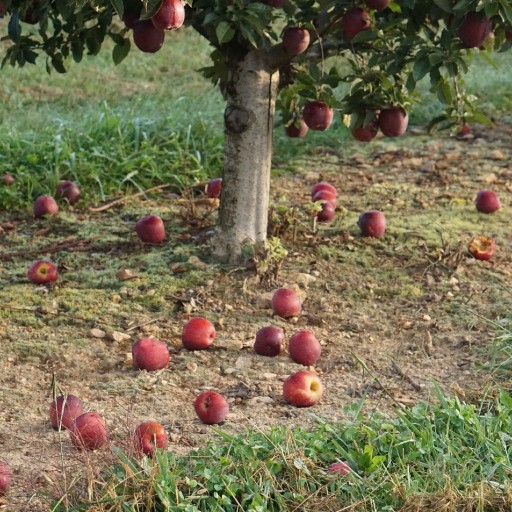
Why do fruits fall to the ground when they are ripe?
Fruit falling after ripening is a natural phenomenon, which is of great significance to the survival and reproduction of plants. The reasons include:
1. Seed dispersal: Fruit falling is a way for plants to spread seeds. By falling to different places, seeds can stay away from the mother plant, reduce competition with the mother plant, and increase the chances of survival and reproduction.
2. Biodegradation: Fruits that fall to the ground will gradually decompose, and this process helps nutrient circulation and provides organic matter to the soil. The decomposed fruits can serve as a source of nutrients for other plants and promote the health of the ecosystem.
3. Energy saving: For plants, maintaining ripe fruits requires energy consumption. Dropping ripe fruits can save energy and use these resources for growth and production of new fruits, thus improving the overall adaptability and survival of the plant.
4. Environmental signals: The ripening and dropping of fruits are also regulated by environmental signals, such as light, temperature and moisture. These factors affect the distribution of plant hormones, which in turn affect the shedding of fruits. Plants decide when to drop fruits by sensing these environmental signals.
5. Plant hormones: Plant hormones, such as ethylene and abscisic acid, play an important role in the ripening and dropping of fruits. Ethylene promotes fruit ripening, while abscisic acid promotes fruit shedding. The interaction of these hormones ensures the timely shedding of fruits, thus completing an important link in the plant life cycle.
 1
1 1
1OTHER NEWS
-
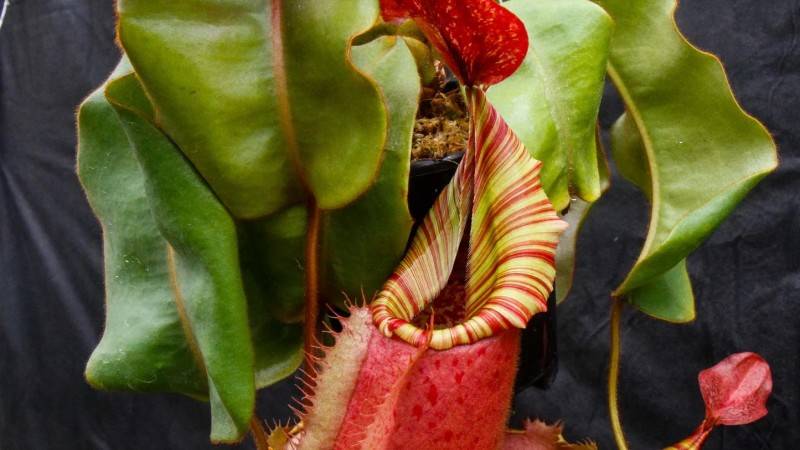
- How terrible are carnivorous plants?
- By LH 12 Mar,2025
-
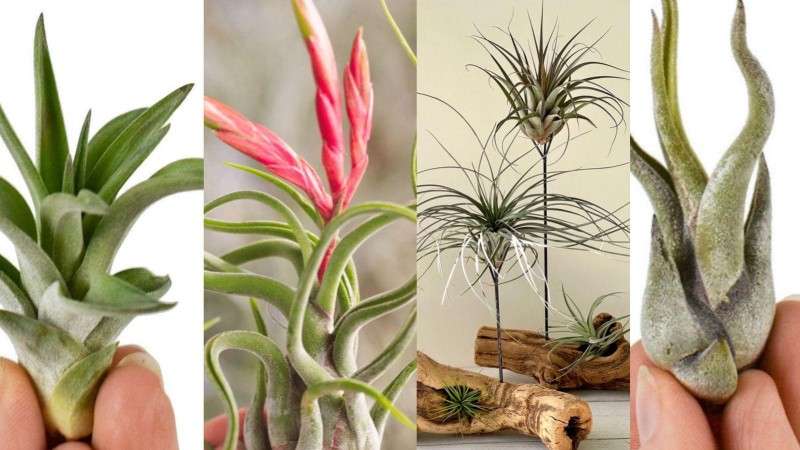
- Have you ever seen a magical plant that can grow by drinking air?
- By LH 14 Mar,2025
-
- What are the most ugly plants in the gardening world?
- By LH 09 Apr,2025

-
- The natural choice for indoor air purification five high-quality greenery recommendations
- By YL 14 Mar,2025
-
- From planting to caring for flowers that bloom forever
- By MTH 10 Mar,2025

-
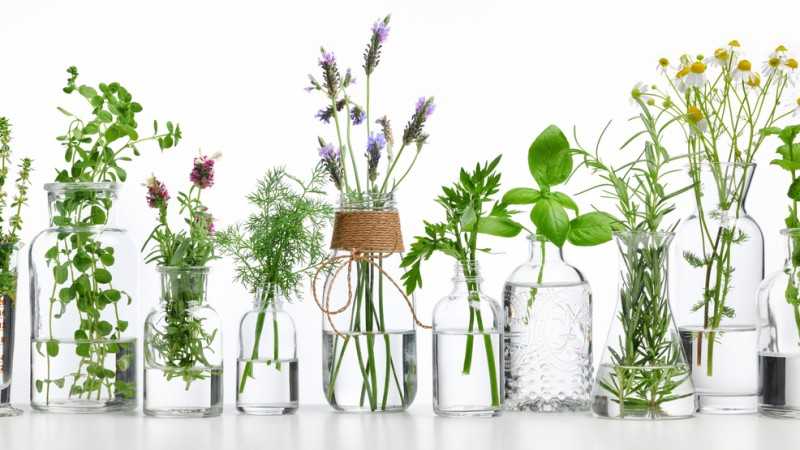
- Hydroponic plants, gardening tips
- By LH 02 Apr,2025
-
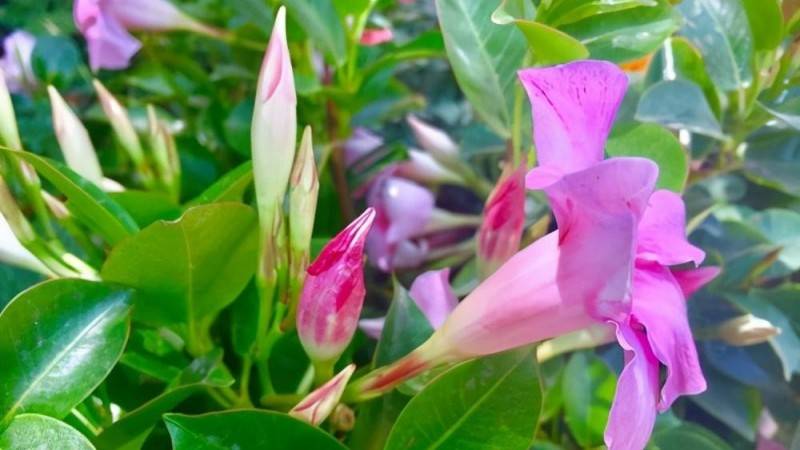
- 15 kinds of flowers suitable for summer
- By LH 31 Mar,2025
-
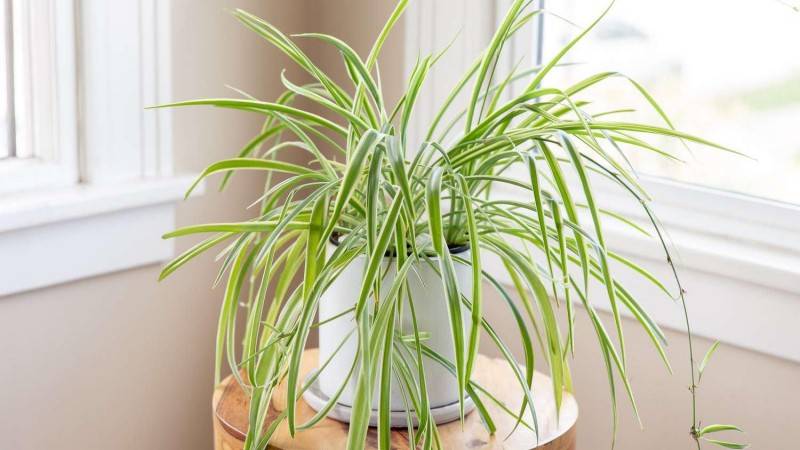
- Vigilance! Keeping these kinds of plants indoors may harm your health
- By ZYY 09 Apr,2025
-
- How do you control pests and diseases in your garden
- By YL 12 Mar,2025

-
- Sustainable Gardening Starts With Organic Supplies
- By Prodosh Kundu 28 Oct,2024
-
- How to Choose the Best Lawn and Landscaping Services for Your Home
- By Prodosh Kundu 28 Aug,2024

-
- Planting Tips: Best Indoor Plants Recommendations and Care Guide
- By MTH 18 Feb,2025