Vigilance! Keeping these kinds of plants indoors may harm your health
In the United States, many people like to put some green plants in their homes, not only to decorate their homes, but also hope that they can improve air quality and bring a touch of life to the home.
Indoor plants do add a lot of natural flavor to your home, but did you know? Not all plants are suitable for indoor farming, especially some of them may have potential health risks to humans and pets.
If you have these plants in your home too, be careful, they may pose a threat to you and your family's health. Today, we're going to talk about a few common houseplants that look like beautiful greenery that may be hiding unknown dangers.
We hope this article will give you an idea of which plants may cause unnecessary trouble in your home and remind you to be more careful when choosing plants.
1. Oleander: beautiful appearance, deadly toxicity
Oleander is a common outdoor plant in many American homes, as its flowers are so beautiful that they often attract people to stop by. But this plant is actually extremely toxic, especially its flowers, leaves and stems. All parts of the plant contain a toxic substance called oleander toxin, which can cause nausea, vomiting, rapid heartbeat and, in severe cases, death.
Although oleander is common in American gardens, many people are unaware of its dangers. Oleander is definitely a hidden danger, especially for families with small children or pets. If a child puts a petal in their mouth or a pet chews on its leaves, the consequences can be very serious.
Therefore, if you have children or pets in your home, it's best to avoid placing oleander indoors or near your garden.
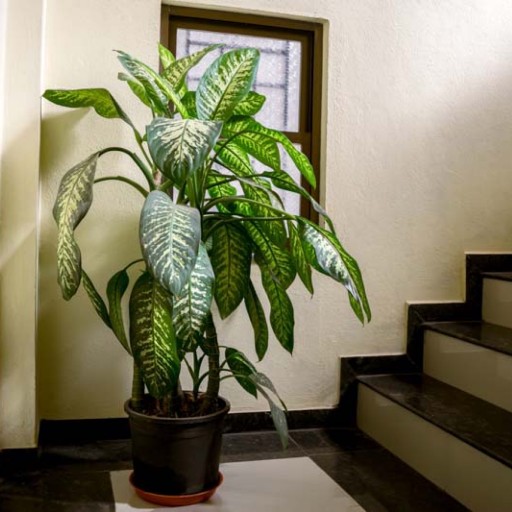
2. Dieffenbachia: Seemingly harmless, but actually dangerous
Dieffenbachia, which is a very popular indoor foliage plant in the United States, is very decorative because of its large, green leaves. However, the sap of the Dieffenbachia contains small particles called calcium oxalate, and these particles can irritate the skin and mouth, causing severe swelling and breathing difficulties.
Especially if you accidentally touch the sap to your eyes or mouth, it can cause great discomfort. For small children and pets, if they eat the leaves of the Drip Goddess of Mercy, they may experience symptoms such as vomiting and sore throat, and may even require medical intervention in severe cases.
Although it is a popular houseplant, it is best to avoid these plants if you have small children or pets in the house, or place them in high places to make sure they are out of reach of children and pets.
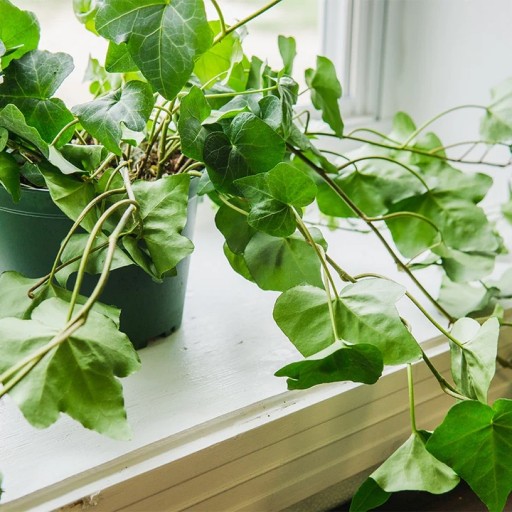
3. English Ivy: Seemingly Harmless Greenery, Danger Lurks
English Ivy is a common plant in many American homes, especially on windowsills or walls, where it grows quickly and brings a strong sense of greenery to the room. The advantages of ivy are that it is easy to care for and highly adaptable. But what you may not know is that ivy actually contains a chemical called saponin, which is toxic to humans.
The toxicity of ivy is mainly found in its leaves and sap. If children or pets accidentally consume parts of ivy, it may cause severe vomiting, diarrhea and gastrointestinal discomfort. For children in particular, accidental ingestion of ivy sap can lead to mouth and throat irritation.
If you decide to keep ivy in your home, make sure it's kept out of easy reach to avoid accidental ingestion when you have small children or pets in the house.
4. Lilium: Beautiful but Deadly Toxic
Lilium is widely popular among Americans for its beautiful flowers and captivating fragrance, especially during holidays or special occasions, and lilies are often used as decorations in the home.
However, lilies are fatally toxic to cats, and accidental ingestion of any part of the lily, including petals, pollen and leaves, can lead to acute kidney failure and, in severe cases, can even be life-threatening.
While lilies are not significantly toxic to humans, they are definitely not suitable for indoor use if you have cats in your home. If you are particularly fond of lilies, consider placing them out of reach of cats or choosing some cat-friendly plants instead.
5. Spider Plant: Beautiful to look at, but can trigger allergies
Spider Plant is a common houseplant because of its soft, shapely leaves and its suitability for indoor care. However, for some people, the pollen and leaves of the spider plant may cause allergic reactions, especially those with allergies.
Although the flowers of the hanging orchid are very small, their pollen may have an effect on allergic rhinitis sufferers, causing flu-like symptoms such as runny nose and sneezing. In addition, the surface of the leaves of a hanging orchid may also accumulate dust, and this dust, when airborne, may trigger some allergy symptoms.
If you or a family member has a history of allergies, it's best to consider choosing other plants that are less likely to cause allergies.
How can I avoid the health risks of indoor plants?
While all of the above plants are common, their toxicity and potential hazards should not be overlooked. To ensure the health of your home, here are some useful tips to help you avoid the potential risks plants pose to your family and pets:
Know the characteristics of plants: Before purchasing plants, make sure you know their characteristics and whether they are toxic or not, especially if you have children and pets in your home. Many florists and garden centers have detailed descriptions of the plants and you can consult a professional if necessary.
Keep away from children and pets: Poisonous plants must be kept out of reach of children and pets. If you have children at home, try to choose plants that are non-toxic to avoid unnecessary risks to your family.
Regularly check the health of your plants: When plants grow, their toxicity may be exacerbated if there are problems such as pests, diseases or rotting. Regularly check the health of your plants to make sure they don't have rotting or shedding parts to minimize potential hazards.
Choose low-risk plants: If you're concerned about plant toxicity, choose plants that are known to be harmless to people and pets. Things like phalaenopsis, bamboo yams, and dragon's blood trees are good choices.
Keeping plants is enjoyable; they bring greenery and life to your home and improve air quality. However, we must be more careful when choosing plants, understand their toxicity and potential dangers, and avoid bringing harm to our family members and pets due to negligence.
By choosing wisely and caring scientifically, we can enjoy the beauty of plants without worrying about the health risks they pose to us. We hope this article will help you make more informed choices for a safer and healthier home environment.
If you have any questions about indoor plants, feel free to consult a professional gardener to make sure that every pot of greenery in your home brings you beauty instead of risk.
 1
1 1
1OTHER NEWS
-
- Growing For The Planet: How Sustainable Gardening Practices Can Help To Mitigate Climate Change
- By Prodosh Kundu 28 Oct,2024
-
- Do you know these secrets of plants?
- By LH 18 Feb,2025
-
- How do you control pests and diseases in your garden
- By YL 12 Mar,2025

-
- How Organic Gardening Supplies Can Transform Your Garden And The Environment?
- By Prodosh Kundu 28 Oct,2024

-
- How terrible are carnivorous plants?
- By LH 12 Mar,2025
-
- Sustainable Gardening Starts With Organic Supplies
- By Prodosh Kundu 28 Oct,2024
-
- The Five Best Flowers for Newbies to Keep Alive
- By MTH 14 Mar,2025
-
- 15 kinds of flowers suitable for summer
- By LH 31 Mar,2025
-
- Hydroponic plants, gardening tips
- By LH 02 Apr,2025
-
- Here’s a complete guide on what you should prepare before planting your seeds.
- By Prodosh Kundu 18 Jul,2024
-
- The natural choice for indoor air purification five high-quality greenery recommendations
- By YL 14 Mar,2025
-
- Spring is here! Give Your Garden a New Look with These Gardening Tips
- By MTH 20 Feb,2025