How has the emergence of Artificial Intelligence changed people's lives?
Artificial intelligence has permeated every aspect of people's lives, from healthcare to education to transportation, AI is changing the way we live. While AI is still evolving, it's already playing a huge role in increasing efficiency, lowering costs, and improving user experience. Today, we'll talk about the major changes AI is bringing to healthcare, education, and transportation.
Healthcare: smarter doctor visits, more efficient treatments
The U.S. healthcare system is complex, with expensive visits and long wait times, and AI is easing these problems and improving accessibility and efficiency of care.
1. Telemedicine and AI Diagnostics
In the past, you had to go to a clinic or hospital to see a doctor. But now, many Americans can have a video consultation with a doctor at home through telemedicine platforms such as Teladoc Health, Amwell, etc. AI can also assist doctors with initial diagnosis, for example, Mayo Clinic uses AI to identify skin cancer, and the accuracy rate is even higher than that of human doctors.
2. AI-assisted medical image analysis
Doctors have to deal with a large number of medical images (e.g. X-ray, CT, MRI) every day, but AI can quickly analyze these images to improve the speed and accuracy of diagnosis. For example, the AI developed by Google Health can detect breast cancer with a higher accuracy rate than traditional screening methods, helping doctors find problems earlier.
3. AI Accelerates New Drug Development
It takes billions of dollars and years to develop new drugs, and AI is accelerating the process. AI systems under IBM Watson and DeepMind, for example, have been used to discover new drug combinations and even help Moderna design mRNA vaccines.
This means that in the future it may be possible to find treatments for diseases such as cancer and Alzheimer's disease more quickly.
4. Smart Health Management Devices
More and more Americans are using smart devices like the Apple Watch, Fitbit, Oura Ring and others to monitor their health. ai can analyze the data collected by these devices to predict heart disease risk and even alert users when they develop atrial fibrillation. This technology is helping people detect health problems earlier and reduce the risk of emergency medical treatment.
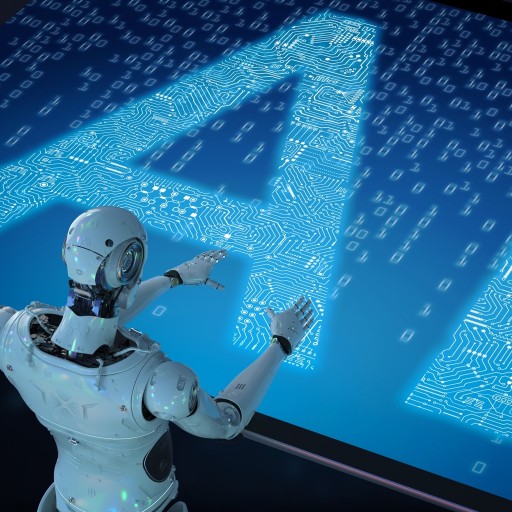
Education: making learning more personalized and teaching more efficient
The U.S. education system is undergoing a digital transformation, and AI is making learning more personalized and helping teachers become more efficient.
1. AI Personalized Learning Platform
In the past, students learned in a fixed way, but AI is making personalized learning possible. AI learning platforms like Khan Academy, Quizlet, and Duolingo can automatically adjust course content based on students' learning progress, ensuring that each student learns at a pace that best suits him or her.
2. AI-assisted teaching reduces teachers' burden
AI can also help teachers correct homework, generate exam questions, and even analyze students' learning behavior. For example, Grammarly can help students improve their writing, Turnitin uses AI to identify plagiarism, and Google Classroom makes online teaching more efficient.AI can also analyze students' weak points and help teachers provide more targeted tutoring.
3. AI improves fairness in college admissions
The admissions process of American universities is complex, and AI can help schools evaluate applicants more fairly. For example, some universities are already using AI to evaluate application materials, reduce human bias, and make enrollment decisions more transparent.
4. VR and AI Make Classes More Lively
In the past, students could only learn complex concepts through books or lectures. Now, AI + VR technologies like those developed by Meta (Facebook) and Microsoft are turning classes into immersive experiences.
For example, medical students can use AI to simulate surgical training, history classes can let students “experience” ancient Rome, and physics classes can use AI to simulate experiments. This way of learning makes knowledge more intuitive and interesting.
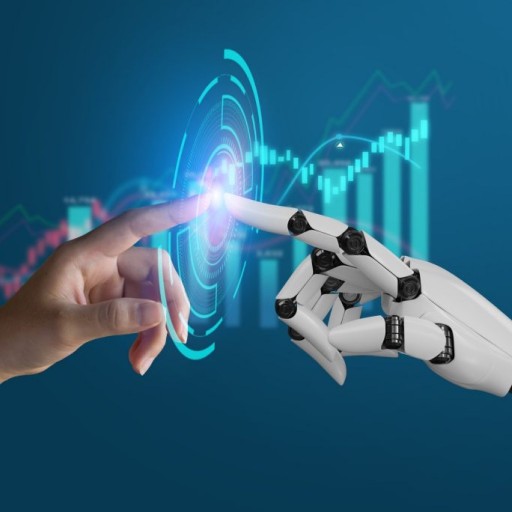
Transportation: smarter travel, safer driving
AI makes the U.S. transportation system more efficient, not only reducing congestion, but also making driving safer.
1. AI Driver Assistance and Autonomous Driving
Many drivers in the U.S. are now using AI driver assistance systems such as Tesla Autopilot, GM's Super Cruise, and Ford's BlueCruise, which can automatically maintain lanes, adjust speeds, and even make lane changes on the highway.
While fully driverless technology is still being tested, companies such as Waymo and Cruise are already operating self-driving cabs in places like San Francisco and Phoenix.
2. AI Predicts Traffic Conditions to Reduce Traffic Jams
AI can analyze real-time traffic data to help cities optimize traffic light timing. For example, Los Angeles, New York and other places are piloting AI traffic management systems, which can automatically adjust the signal light time according to the traffic flow, thus reducing congestion and making the commute smoother.
3. AI makes shared mobility smarter
Uber and Lyft are already using AI to optimize their taxi services, which not only predicts peak hours, but also intelligently assigns drivers and improves order-taking efficiency. In addition, some electric scooter and e-bike sharing services (e.g. Bird, Lime) also use AI to predict user demand and optimize vehicle distribution.
4. AI is transforming air and rail transportation
AI is also being applied to the airline and railroad industries. For example, American Airlines uses AI to predict flight delays, optimize routes, and reduce fuel consumption, and Amtrak is using AI to improve train scheduling and make rail travel more efficient.
How else will AI change our lives in the future?
In addition to healthcare, education and transportation, AI is also expanding into new applications, such as:
Smart home: Amazon Alexa and Google Assistant make the lights, temperature, and security system at home become more intelligent.
AI shopping experience: Walmart and Amazon are using AI to predict consumer demand, optimize inventory management, and even launch unmanned checkout stores.
AI translation and content creation: DeepL and Google Translate make communication between different languages smoother, while AIs like ChatGPT can help write articles, code, and even create music.
Of course, AI also brings some challenges, such as privacy issues, job losses, and algorithmic bias. How to solve these problems while enjoying the convenience brought by AI is an important topic for future society to think about.
AI is profoundly changing people's way of life, making everything smarter and more efficient. In the future, as technology advances, we may see even more amazing innovations that will make the world a better place!
 1
1 1
1OTHER NEWS
-
- How terrible are carnivorous plants?
- By LH 12 Mar,2025

-
- Have you ever seen a magical plant that can grow by drinking air?
- By LH 14 Mar,2025

-
- What are the most ugly plants in the gardening world?
- By LH 09 Apr,2025

-
- The natural choice for indoor air purification five high-quality greenery recommendations
- By YL 14 Mar,2025

-
- From planting to caring for flowers that bloom forever
- By MTH 10 Mar,2025

-
- Hydroponic plants, gardening tips
- By LH 02 Apr,2025

-
- 15 kinds of flowers suitable for summer
- By LH 31 Mar,2025

-
- Vigilance! Keeping these kinds of plants indoors may harm your health
- By ZYY 09 Apr,2025

-
- How do you control pests and diseases in your garden
- By YL 12 Mar,2025

-
- Sustainable Gardening Starts With Organic Supplies
- By Prodosh Kundu 28 Oct,2024

-
- How to Choose the Best Lawn and Landscaping Services for Your Home
- By Prodosh Kundu 28 Aug,2024

-
- Planting Tips: Best Indoor Plants Recommendations and Care Guide
- By MTH 18 Feb,2025