The pros and cons of a high-protein diet, a must-read for fitness enthusiasts!
In the fitness circle, "high-protein diet" has long been a household name. Whether you want to gain muscle, lose fat, or simply pursue health, you all have a special liking for protein.
However, is a high-protein diet really a "universal antidote"? What are its advantages and potential risks? Today, we will analyze it in depth to help all fitness enthusiasts make more scientific dietary choices.
Six advantages of a high-protein diet
1. Increase muscle and shape, help fitness
Muscle growth and repair are inseparable from protein, especially for fitness enthusiasts who have undergone high-intensity training. A high-protein diet can provide rich amino acids, accelerate muscle synthesis, and reduce muscle breakdown, making your training more effective.
2. Improve satiety and assist in fat loss
Compared with carbohydrates and fat, protein digests more slowly, which can prolong satiety and reduce hunger. This means that when you control your calorie intake, you can stick to your diet plan more easily, thereby reducing your body fat rate and shaping clearer muscle lines.
3. Promote metabolism and burn more calories
The thermic effect of food (TEF) of protein is higher than that of carbohydrates and fats. After intake, the body needs to consume more energy to digest and metabolize it. This means that even if you eat the same amount, a protein-rich diet can make you burn more calories, thereby increasing basal metabolism.
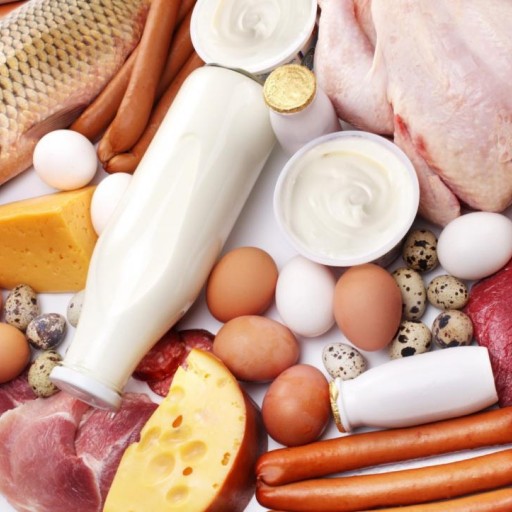
4. Protect bones and reduce sports injuries
Many people believe that a high-protein diet can lead to osteoporosis, but studies have shown that moderate protein intake can enhance bone strength and reduce the risk of fractures. For fitness enthusiasts who train frequently and carry heavy weights, adequate protein intake can help maintain joint health and reduce sports injuries.
5. Maintain muscle mass and prevent aging
Muscles are not only a symbol of "fitness", but also directly affect body function and life span. As we age, muscle loss will lead to a decrease in basal metabolism, which can easily lead to obesity and various metabolic problems. A high-protein diet helps maintain muscle mass, slow down the aging process, and make you healthier and more energetic.
6. Improve immunity and promote recovery
Protein is an important part of the immune system and can help the body synthesize antibodies and improve resistance. For people who often do high-intensity training, protein can also speed up recovery after exercise, reduce inflammatory response, and allow you to enter the next training cycle faster.
Five hidden dangers of high-protein diet
1. Increased burden on kidneys may affect health
A high-protein diet will increase the metabolic burden on the kidneys, especially for people with weak kidney function. Long-term high-protein intake may cause kidney damage. Therefore, while increasing protein intake, fitness people must ensure adequate water intake to reduce the burden on the kidneys.
2. May cause calcium loss and affect bone health
Although a moderate amount of protein is helpful for bone health, if protein intake is too much, especially from acidic foods such as red meat and processed meat, it will increase urinary calcium excretion and may affect bone density in the long run. Therefore, it is recommended to balance the diet with calcium-rich foods (such as milk, sesame, and green leafy vegetables).
3. Excessive intake of fat and cholesterol
Many high-protein foods (such as fatty beef, bacon, cheese, etc.) are also rich in saturated fat and cholesterol. Excessive intake may increase the risk of cardiovascular disease. Therefore, it is recommended to choose high-quality protein sources, such as chicken breast, fish, egg white, soy products, etc., to reduce the intake of high-fat protein.
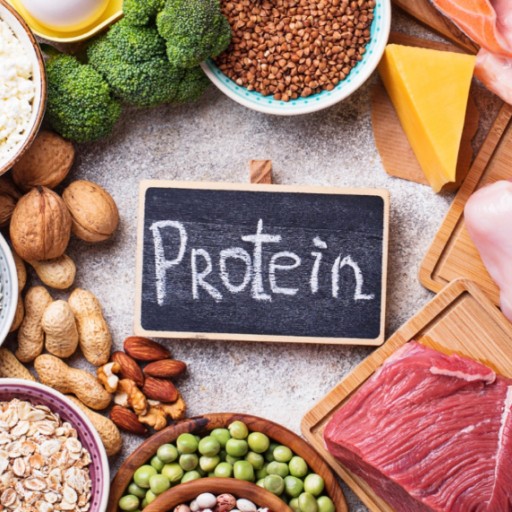
4. Affects intestinal health and may cause constipation
A high-protein diet is often accompanied by a reduction in carbohydrates and dietary fiber, and dietary fiber is essential for intestinal health.
If you eat too much meat for a long time and ignore vegetables and whole grains, it may cause constipation, gastrointestinal discomfort, and even increase the risk of intestinal diseases. Therefore, it is recommended to take in dietary fiber in a balanced way to promote intestinal peristalsis.
5. It is easy to cause a monotonous diet and increase psychological burden
Many fitness enthusiasts will strictly limit the intake of carbon water and fat during a high-protein diet, causing the diet to become monotonous and tasteless. In the long run, this may reduce the pleasure of eating and even affect mental health. Appropriately adjusting the dietary structure and maintaining diversity can make a high-protein diet easier to stick to.
How to implement a high-protein diet scientifically and reasonably?
Calculate daily protein needs
Ordinary people: 0.8g per kilogram of body weight
Fitness and muscle gain: 1.5g~2.2g per kilogram of body weight
High-intensity athletes: about 2.5g per kilogram of body weight
Choose high-quality protein sources
Animal protein: chicken breast, fish, egg whites, lean beef
Plant protein: tofu, soy milk, nuts, quinoa
Mix with enough dietary fiber
At least 25g of dietary fiber per day, such as oats, brown rice, vegetables and fruits.
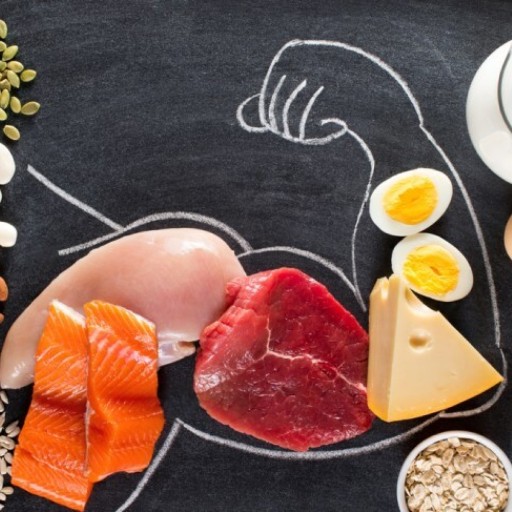
Ensure adequate water intake
It is recommended to drink 2.5L~3L of water per day to reduce the burden on the kidneys.
Avoid excessive intake of processed protein
Eat less processed foods such as bacon, sausages, canned meat, and avoid excessive intake of salt and preservatives.
Conclusion: Is a high-protein diet good or bad? The key is how to implement it!
The advantages of a high-protein diet are obvious - muscle gain, fat loss, improved metabolism, enhanced immunity...all of which make it a "magic weapon" for fitness people. But if it is not restrained, it may bring side effects such as kidney burden, calcium loss, and intestinal problems. Therefore, the key lies in "moderation + balance".
Scientifically matching protein, carbon water, fat and dietary fiber, and maintaining a good diet structure can make a high-protein diet really work! If you are a fitness person, you might as well adjust your diet plan from today and make it a helper, not a burden!
 1
1 1
1OTHER NEWS
-
- How terrible are carnivorous plants?
- By LH 12 Mar,2025

-
- Have you ever seen a magical plant that can grow by drinking air?
- By LH 14 Mar,2025
-
- What are the most ugly plants in the gardening world?
- By LH 09 Apr,2025
-
- The natural choice for indoor air purification five high-quality greenery recommendations
- By YL 14 Mar,2025

-
- From planting to caring for flowers that bloom forever
- By MTH 10 Mar,2025

-
- Hydroponic plants, gardening tips
- By LH 02 Apr,2025

-
- 15 kinds of flowers suitable for summer
- By LH 31 Mar,2025

-
- Vigilance! Keeping these kinds of plants indoors may harm your health
- By ZYY 09 Apr,2025

-
- How do you control pests and diseases in your garden
- By YL 12 Mar,2025

-
- Sustainable Gardening Starts With Organic Supplies
- By Prodosh Kundu 28 Oct,2024

-
- How to Choose the Best Lawn and Landscaping Services for Your Home
- By Prodosh Kundu 28 Aug,2024

-
- Planting Tips: Best Indoor Plants Recommendations and Care Guide
- By MTH 18 Feb,2025