The truth behind Apple's declining sales!
There was a time when Apple phones were almost synonymous with the smartphone world, with every new release causing a stir and even people queuing up all night to get their hands on them. However, today's market is no longer the same as it was back then, and Apple's sales are declining.
Why is this happening? Is the price too high? Lack of innovation? Or have competitors gotten stronger? Today, we will analyze the real reason for Apple's sales decline from multiple angles.
1. Prices are getting higher and higher, and consumers are becoming more rational
Apple's cell phone has always been a high-end image, the price is naturally not cheap, but in recent years, its price has risen more and more outrageous. The iPhone 15 Pro Max, for example, costs nearly $1,600 for the top version, which isn't a lot of money to shell out.
Meanwhile, many high-end Android phones offer similar performance and experience, but at a more reasonable price. For example, flagships from Samsung, Google Pixel, and a number of other brands are not only more competitively priced, but in some ways (e.g., camera, AI capabilities, charging speeds, etc.) are even better than the iPhone.
For many consumers, who may have been willing to pay a premium price for an iPhone in the past, they are now starting to weigh price and value in favor of more affordable alternatives.
2. Insufficient innovation and no incentive for users to replace their iPhones
Looking back at Apple's history, every major innovation has triggered a massive wave of switching. For example, the Retina screen of iPhone 4, the ultra-thin design of iPhone 5, and the full-screen and Face ID of iPhone X are all very refreshing.
But in recent years, iPhone's upgrades have become smaller and smaller, and can even be described as “toothpaste” updates. iPhone 15 series, compared to its predecessor, the biggest change is just a new USB-C charging port, the appearance of the device is almost unchanged, and there is no special surprise in the core features.
When the new iPhone can not provide enough reasons to upgrade, many users will choose to continue to use the old device, resulting in a longer replacement cycle, sales naturally fell. 3.
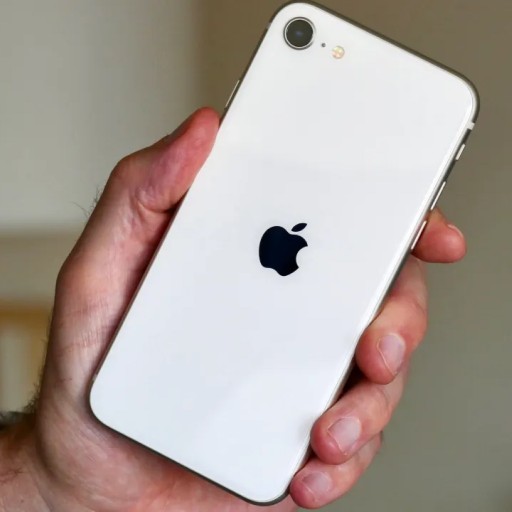
3. Rise of Android flagships, more intense competition
In the past, Apple's iOS ecosystem and smooth user experience made it almost unrivaled in the high-end market. But now, the Android camp is becoming more and more competitive.
For example:
Samsung Galaxy S24 Ultra: equipped with a 200MP Ultra HD camera with amazing photo details;
Google Pixel 8 Pro: relying on AI algorithms with superb photo repair and voice recognition;
Other brands: ahead of the iPhone in terms of fast charging, foldable screens, customization features, and more.
When Android flagships surpass the iPhone in multiple dimensions, consumer choices become more diverse, and Apple's market share is naturally squeezed.
4. Global economic situation affects consumer spending
Today, the global economic environment is not optimistic, and inflation and rising costs of living have forced many consumers to reconsider their spending habits.
In the past, people might have been willing to spend thousands of dollars on a new iPhone every two years, but now many prefer to save money and extend the life of their existing devices as much as possible.
Additionally, the boom in the used market has given users new options - instead of paying $1,200 for a new iPhone 15, you can buy an iPhone 13 Pro in good condition for $600, which meets your needs and saves you a lot of money.
5. The phone market is saturated and the replacement cycle is getting longer
The smartphone market is highly mature and no longer sees revolutionary technological breakthroughs every year or two, as it did a decade or so ago. Nowadays, even the iPhone 12 and iPhone 13 from a few years ago can still run smoothly enough to meet most people's daily needs.
Apple itself admits that the replacement cycle for users has now been extended from 2-3 years to 4-5 years. This means that even if Apple releases a new phone every year, many users will not rush to upgrade, which will undoubtedly affect sales.
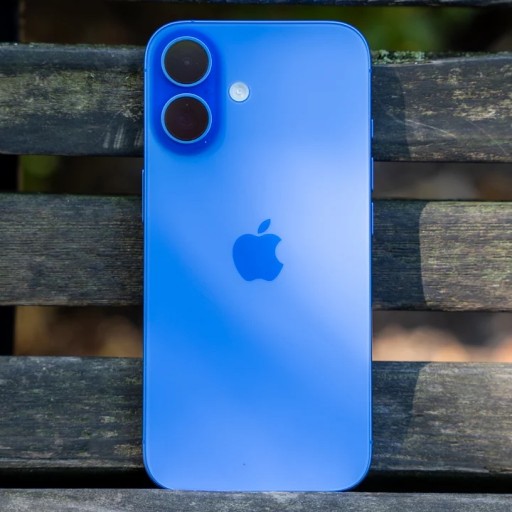
6. Closed iOS ecosystem discourages some users
Apple's iOS ecosystem is undoubtedly a huge advantage, but it also has its limitations.
For example:
The iPhone can't download third-party apps directly, so you have to go through the App Store;
File transfers are more cumbersome than on Android, especially on Windows devices;
You can't freely change the default apps, such as browser, payment methods, etc.
In the past, the smooth experience brought by this closed ecosystem was the core competitiveness of the iPhone, but nowadays, more and more users want to have more freedom, and the openness of the Android camp in this regard is attracting a part of the users to switch.
7. Geopolitical and Supply Chain Issues
Apple's supply chain is spread all over the world, and changes in the global trade environment in recent years have made the supply chain face challenges. For example, shortages in the supply of some key components may affect the production and delivery of products.
In addition, policy changes in some countries could have an impact on Apple's sales. For example, regulators in certain regions are pushing for stricter antitrust policies that would require Apple to open up the App Store to support third-party app stores, which could affect Apple's business model.
While these issues won't immediately lead to a significant drop in Apple's sales, they do have an impact on Apple's marketing strategy in the long run.
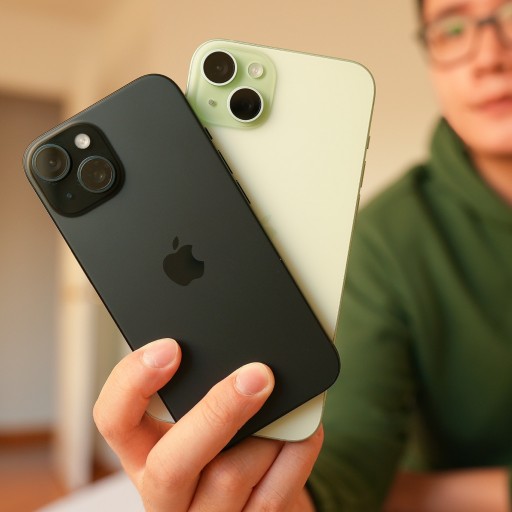
What's next for Apple?
Faced with the challenge of declining sales, Apple naturally won't sit on its hands and may take the following measures to save market share in the future:
Strengthen innovation: launch more breakthrough features in AI, imaging technology, foldable devices, etc. to attract users to switch.
Adjust the pricing strategy: may launch a more cost-effective iPhone SE, or reduce the price for some markets.
Optimize the iOS ecosystem: It may open up more system privileges and allow users to have more customization options on the iPhone.
Expanding into new markets: Increase investment in emerging markets to find new growth points.
Taken together, the reasons for Apple's sales decline are multiple, including:
Excessively high prices, causing some consumers to turn to more affordable Android machines;
Insufficient innovation, leading to a decline in users' willingness to switch;
The rise of the Android camp and increased competition;
The impact of the economic environment, consumers become more cautious;
The market is saturated, and the replacement cycle becomes longer;
The closed nature of the iOS ecosystem has made some users start to consider Android.
However, Apple is still one of the most influential technology companies in the world, and as long as it can make adjustments in innovation and market strategy, it still has the opportunity to maintain its leading position in the future.
So, what do you think about Apple's declining sales? Will you continue to buy iPhones or consider other brands? Welcome to discuss!
 1
1 1
1OTHER NEWS
-
- How terrible are carnivorous plants?
- By LH 12 Mar,2025

-
- Have you ever seen a magical plant that can grow by drinking air?
- By LH 14 Mar,2025

-
- What are the most ugly plants in the gardening world?
- By LH 09 Apr,2025

-
- The natural choice for indoor air purification five high-quality greenery recommendations
- By YL 14 Mar,2025

-
- From planting to caring for flowers that bloom forever
- By MTH 10 Mar,2025

-
- Hydroponic plants, gardening tips
- By LH 02 Apr,2025

-
- 15 kinds of flowers suitable for summer
- By LH 31 Mar,2025

-
- Vigilance! Keeping these kinds of plants indoors may harm your health
- By ZYY 09 Apr,2025

-
- How do you control pests and diseases in your garden
- By YL 12 Mar,2025

-
- Sustainable Gardening Starts With Organic Supplies
- By Prodosh Kundu 28 Oct,2024

-
- How to Choose the Best Lawn and Landscaping Services for Your Home
- By Prodosh Kundu 28 Aug,2024

-
- Planting Tips: Best Indoor Plants Recommendations and Care Guide
- By MTH 18 Feb,2025