Have a healthy stomach: Find the answer from your lifestyle and say goodbye to gastrointestinal troubles!
The modern fast-paced lifestyle has made many people ignore the importance of gastrointestinal health. Gastrointestinal problems not only affect daily life, but may also become the root cause of many diseases.
So, how to start with lifestyle habits to develop a healthy stomach? Below, we reveal the answer to you from four aspects: diet, work and rest, exercise and mental health, so that you can easily say goodbye to gastrointestinal troubles and have a healthy body!
1. Diet: "Pick the right" food for the stomach
Dietary habits are the cornerstone of gastrointestinal health. If you always feel stomach discomfort or intestinal irritability, the following dietary tips may be of great help to you:
Eat small meals frequently and avoid overeating
Overeating is the "number one enemy" of the stomach. Ingesting too much food at one time will increase the burden on the stomach, leading to excessive gastric acid and indigestion. On the contrary, eating small meals frequently can balance gastric acid secretion and help food be better digested and absorbed.
Pay attention to the combination of food
Foods with high fat content tend to prolong gastric emptying time and increase the burden on the stomach, while high-fiber foods can promote intestinal peristalsis and reduce the possibility of constipation. It is recommended to combine whole grains, vegetables, and fruits with a moderate amount of protein to create a balanced diet.
Stay away from irritating foods
Spicy, fried, and high-salt foods may irritate the gastric mucosa and increase the risk of gastric ulcers and gastritis. If you are a "heavy taste" lover, try to gradually reduce the use of seasonings to give your stomach and intestines a relaxed "breathe".
Supplement probiotics
The balance of intestinal flora is essential for gastrointestinal health. Foods rich in probiotics such as yogurt and kimchi can improve the intestinal environment and enhance immunity. You can also choose professional probiotic supplements and take them according to the doctor's advice.
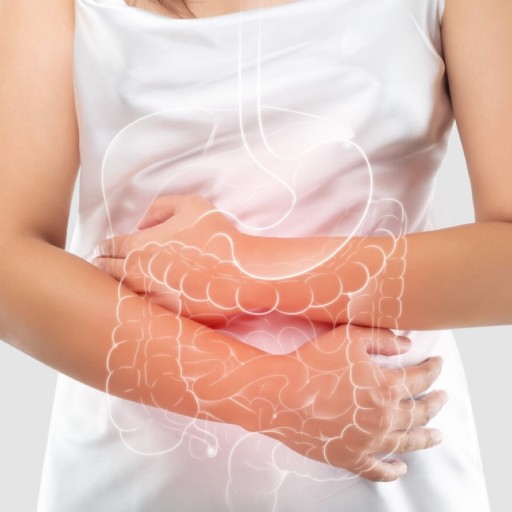
2. Work and rest: Develop a regular life and your stomach and intestines will be naturally healthy
Busy life often makes people ignore the importance of work and rest, but in fact, irregular work and rest is a major cause of gastrointestinal problems.
Eat regularly
Irregular eating will disrupt the gastrointestinal biological clock, leading to abnormal gastric acid secretion, which is easy to cause stomach pain. Try to fix the time of three meals a day to provide a "on-time start" signal for the stomach and intestines.
Avoid staying up late
Staying up late for a long time will affect the hormone level in the body, thereby weakening the self-repair function of the stomach and intestines. If you are used to going to bed late, you might as well gradually advance your sleep time and ensure at least 7 hours of sleep every day.
Take a proper rest after meals
Working or exercising immediately after meals will affect food digestion. You might as well take a 20-30 minute rest after meals to avoid bloating or indigestion.
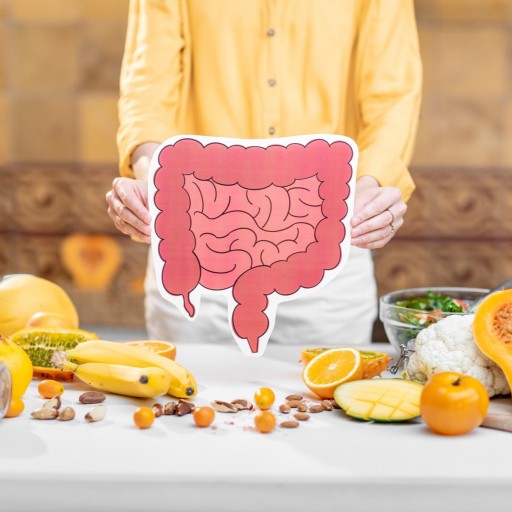
3. Exercise: Get your stomach moving
Moderate exercise not only helps to strengthen your physique, but also improves gastrointestinal function. Exercise promotes blood circulation, helps food pass through the digestive tract faster, and reduces the occurrence of constipation.
Exercise suitable for gastrointestinal health
Gentle aerobic exercise such as brisk walking, jogging or yoga is a good companion for gastrointestinal health. In particular, some twisting movements in yoga can massage the abdomen and stimulate intestinal peristalsis.
Do not exercise vigorously
High-intensity exercise immediately after a meal can easily cause gastroesophageal reflux. It is recommended to start exercising one hour after a meal to ensure that the digestive system is not disturbed.
Develop daily habits
Even if you are busy at work, don't ignore the importance of exercise. Simple exercise for 20-30 minutes a day can not only improve your stomach, but also relieve stress.
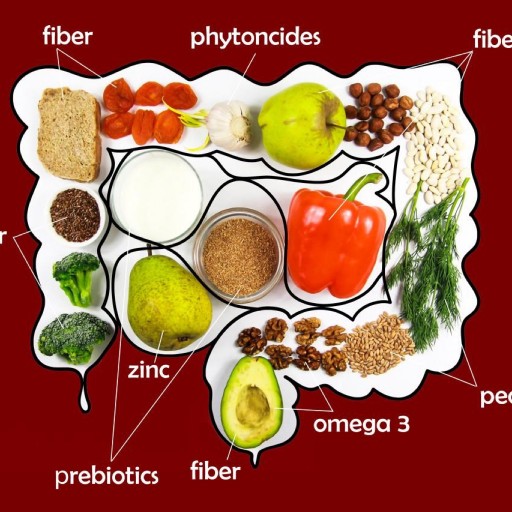
4. Mental health: Mood is the "regulator" of the stomach and intestines
Studies have shown that stress and mood swings can directly affect gastrointestinal function. For example, tension may cause stomach pain, and anxiety may cause irritable bowel syndrome.
Learn to release stress
Try to relax your body and mind through meditation, deep breathing, or listening to music. Five minutes of meditation before going to bed every night can greatly reduce stress levels and help the stomach and intestines return to normal function.
Pay attention to mental health
If you feel depressed or anxious for a long time, you may wish to seek professional psychological counseling. Mental health is closely related to physical health, especially for the stomach and intestines, it is important to maintain a happy mood.
Share with family and friends
Sharing your troubles and joys with people close to you can effectively relieve psychological pressure and make the stomach "relaxed".
5. The ultimate secret to gastrointestinal health: patience and persistence
Improving gastrointestinal health is not achieved overnight, but a process that requires patience and persistence. You can start with the following small goals:
Record your diet and daily routine every week to find out potential problems and improve them.
Persist in doing a relaxing activity every day, such as walking or reading.
When you encounter gastrointestinal discomfort, don't just rely on drugs, but look for the answer from your lifestyle habits.
A healthy stomach is the foundation of a happy life. From diet to work and rest, from exercise to psychological adjustment, every subtle lifestyle habit may be the key.
When you pay close attention to and adjust these habits, you will find that gastrointestinal problems gradually go away, and the whole person becomes more relaxed and happy. Why not start today and embark on the healthy path of caring for your stomach and intestines, and inject full positive energy into your body!
 1
 1
OTHER NEWS
-
- From planting to caring for flowers that bloom forever
- By MTH 10 Mar,2025

-
- Spring is here! Give Your Garden a New Look with These Gardening Tips
- By MTH 20 Feb,2025

-
- How to Choose the Best Lawn and Landscaping Services for Your Home
- By Prodosh Kundu 28 Aug,2024

-
- Growing For The Planet: How Sustainable Gardening Practices Can Help To Mitigate Climate Change
- By Prodosh Kundu 28 Oct,2024
-
- 15 kinds of flowers suitable for summer
- By LH 31 Mar,2025

-
- Here’s a complete guide on what you should prepare before planting your seeds.
- By Prodosh Kundu 18 Jul,2024
-
- How Organic Gardening Supplies Can Transform Your Garden And The Environment?
- By Prodosh Kundu 28 Oct,2024
-
- Have you ever seen a magical plant that can grow by drinking air?
- By LH 14 Mar,2025

-
- Do you know these secrets of plants?
- By LH 18 Feb,2025

-
- Is the smell of mowing the grass a distress signal from plants?
- By LH 21 Feb,2025

-
- Sustainable Gardening Starts With Organic Supplies
- By Prodosh Kundu 28 Oct,2024

-
- The natural choice for indoor air purification five high-quality greenery recommendations
- By YL 14 Mar,2025