Say goodbye to malnutrition, the elderly dietary regimen secret disclosure
In our society, the health of the elderly is always a topic of concern. Malnutrition is quietly threatening the quality of life and health of many elderly people.
According to relevant studies, the incidence of malnutrition among the elderly in China should not be underestimated, which not only affects their daily activities, but also closely related to the occurrence and development of various diseases.
Therefore, how to help the elderly say goodbye to malnutrition has become an important issue for families and society. Today, let us unveil the secrets of dietary management of the elderly, to help elders have a healthy life in old age.
The danger of malnutrition in the elderly
Malnutrition has a serious impact on the body of the elderly in many ways. First of all, it will lead to a decline in the immunity of the elderly, the body's ability to resist disease becomes weaker.
This makes it easier for the elderly to suffer from colds, pneumonia and other infectious diseases, and the recovery time after the disease is long, the condition may be more serious. Secondly, malnutrition affects bone health, leading to an increased risk of osteoporosis.
The bones of the elderly are inherently fragile, and without adequate nutritional support, the loss of calcium, phosphorus and other minerals from the bones accelerates, which can easily lead to bone fractures and other accidents, seriously affecting the ability to take care of themselves.
In addition, malnutrition also affects muscle strength and quality, resulting in muscle atrophy, reduced physical mobility and increased risk of falls. Long-term malnutrition may also adversely affect the cardiovascular system and nervous system, further threatening the life and health of the elderly.
Common causes of malnutrition in the elderly
Physiological factors: With age, the physical functions of the elderly gradually decline. Teeth loosen and fall off, resulting in difficulty in chewing and affecting food intake and digestion. At the same time, the senses of taste and smell of the elderly become dulled, resulting in reduced interest in food and loss of appetite.
In addition, the weakening of gastrointestinal functions, such as reduced secretion of gastric acid and slowed gastrointestinal peristalsis, makes the digestion and absorption of food decline, and nutrients cannot be fully utilized by the body.
Disease factors: Many chronic diseases plague the elderly, such as diabetes, hypertension, cardiovascular disease, digestive system diseases and so on. These diseases themselves may affect the metabolism and absorption of nutrients.
For example, diabetic patients need to control their diets strictly, but if their diets are not properly controlled, it will easily lead to insufficient nutrient intake. Some diseases may also cause symptoms such as loss of appetite, nausea and vomiting, further affecting the eating of the elderly.
In addition, the side effects of some medications may also lead to loss of appetite or malabsorption of nutrients in the elderly.
Lifestyle and psychological factors: Some elderly people have irrational dietary structure due to their living habits. For example, they are excessively thrifty and do not bother to buy fresh ingredients, resulting in a single type of food.
Some elderly people live alone and lack the company and care of their families, so their meals become casual and they lack the motivation to cook. Meanwhile, psychological factors such as loneliness and depression will also affect the appetite and eating behavior of the elderly.

The elderly diet regimen tips
Ensure the intake of quality protein: Protein is a nutrient necessary for the body to repair and maintain normal physiological functions. For the elderly, the source of high-quality protein is crucial. Lean meat, fish, eggs, dairy products, soy products, etc. are good sources of high-quality protein.
For example, you can eat an egg, drink a glass of milk, and consume fish or chicken in moderation every day. Beans are rich in vegetable protein, such as tofu and soymilk, which are also good for the table of the elderly.
It is recommended that the daily intake of protein for the elderly is 1 - 1.2 grams per kilogram of body weight, and the intake can be increased appropriately for the elderly who suffer from chronic diseases or are physically weak.
Reasonable mix of carbohydrates: Carbohydrates are the main source of energy for the body. However, the elderly should choose complex carbohydrates, such as whole grains (brown rice, whole wheat bread, oats, etc.), potatoes (sweet potatoes, potatoes, etc.).
These foods are rich in dietary fiber, are digested and absorbed relatively slowly, and provide long-lasting energy while helping to maintain stable blood sugar. Reduce the intake of refined grains and sugar, such as white bread and candies, to avoid blood sugar fluctuations. Daily carbohydrate intake should be 50% - 65% of total calories.
Moderate intake of healthy fats: Fats are equally important for the older body, but it is important to choose healthy sources of fats. Unsaturated fatty acids are good for cardiovascular health, such as olive oil, fish oil and nuts.
Olive oil can be used for cooking, deep-sea fish such as salmon and cod can be eaten 2 - 3 times a week, and nuts can be eaten in moderation with a small handful a day.
But pay attention to control the amount of fat intake, daily fat energy should account for 20% - 30% of the total calories, to avoid excessive intake leading to obesity and cardiovascular disease.
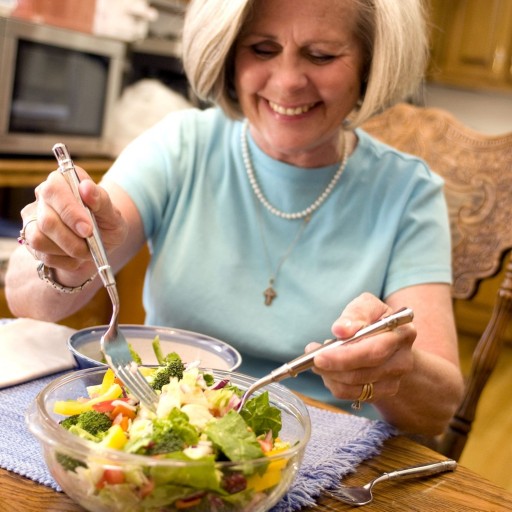
Eat more fresh fruits and vegetables, vitamins and minerals: fresh vegetables and fruits are rich in vitamins, minerals and dietary fiber. Vitamin C, vitamin E and beta-carotene are antioxidants that protect cells from free radical damage and enhance immunity.
Minerals such as calcium, iron and zinc play an important role in maintaining bone health and preventing anemia. It is recommended that the elderly consume no less than 300 grams of vegetables and 200 - 300 grams of fruits per day.
Choose fruits and vegetables of different colors to ensure comprehensive intake of nutrients, for example, green leafy vegetables are rich in vitamin K and calcium, oranges and strawberries are rich in vitamin C, and bananas are rich in potassium.
Pay attention to the digestibility of the diet: As the function of the gastrointestinal tract of the elderly is weakened, the choice of food should focus on digestibility. Steaming, boiling and stewing should be used as much as possible, avoiding frying and pan-frying which are not easy to digest.
For example, cut meat into small pieces for stewing and chop vegetables for cooking. For elderly people who have difficulty in chewing, food can be made into paste or puree to facilitate eating. At the same time, pay attention to the regularity of diet, eat regularly and avoid overeating.
Reasonable eating time: There are also rules about the eating time for the elderly. Breakfast should be eaten well to provide enough energy to start the day; lunch should be eaten full to provide sufficient nutrition for afternoon activities; dinner should be eaten less to avoid accumulation of food in the body after dinner due to reduced activities.
In addition, you can add appropriate meals between meals, such as eating some fruits, nuts or yogurt, to replenish nutrients and avoid hunger pangs.
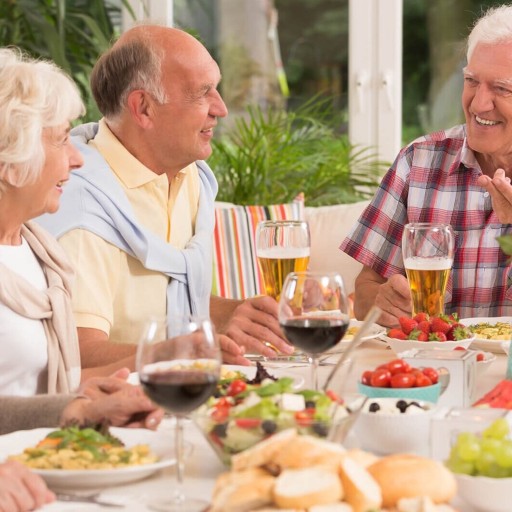
Encourage social dining: Social dining has a positive impact on both the diet and mental health of older adults. Families should try to accompany older people as much as possible to create a warm and pleasant dining atmosphere.
Communities can also organize group dining activities for the elderly, so that they can improve their appetite and enjoy their meals through communication and interaction.
Say goodbye to malnutrition, so that the elderly eat healthy and happy, is the common responsibility of each and every one of us. Through rational dietary management, we can build a solid foundation for the health of the elderly, so that they can enjoy a happy life in their twilight years.
We hope that these dietary tips can help more elderly people and their families, so let's take action together and pay attention to the nutritional health of the elderly!
 1
 1
OTHER NEWS
-
- From planting to caring for flowers that bloom forever
- By MTH 10 Mar,2025
-
- Spring is here! Give Your Garden a New Look with These Gardening Tips
- By MTH 20 Feb,2025
-
- How to Choose the Best Lawn and Landscaping Services for Your Home
- By Prodosh Kundu 28 Aug,2024

-
- Growing For The Planet: How Sustainable Gardening Practices Can Help To Mitigate Climate Change
- By Prodosh Kundu 28 Oct,2024
-
- 15 kinds of flowers suitable for summer
- By LH 31 Mar,2025
-
- Here’s a complete guide on what you should prepare before planting your seeds.
- By Prodosh Kundu 18 Jul,2024
-
- How Organic Gardening Supplies Can Transform Your Garden And The Environment?
- By Prodosh Kundu 28 Oct,2024
-
- Have you ever seen a magical plant that can grow by drinking air?
- By LH 14 Mar,2025
-
- Do you know these secrets of plants?
- By LH 18 Feb,2025

-
- Is the smell of mowing the grass a distress signal from plants?
- By LH 21 Feb,2025
-
- Sustainable Gardening Starts With Organic Supplies
- By Prodosh Kundu 28 Oct,2024
-
- The natural choice for indoor air purification five high-quality greenery recommendations
- By YL 14 Mar,2025