Intermittent fasting: fat-burning secret or just another fad?
Let's set up a scenario. It's Monday morning, and you're sipping your coffee while scrolling through social media. Suddenly, there you see it: a glowing before-and-after post from a friend who swears intermittent fasting (IF) has led to jaw-dropping weight loss. “It changed my life,” they say. “The weight came off instantly!”
You have to wonder: is intermittent fasting a panacea for fat loss, or just another hyped-up health fad? The good news is that you're about to get the full scoop. Grab your water bottle (we're fasting here, remember?) ), and let's dive into the science, truth, and myths behind intermittent fasting.
By the end, you'll know if it's the right path for your fat loss journey - or if it's just another shortcut to nowhere.
What exactly is intermittent fasting?
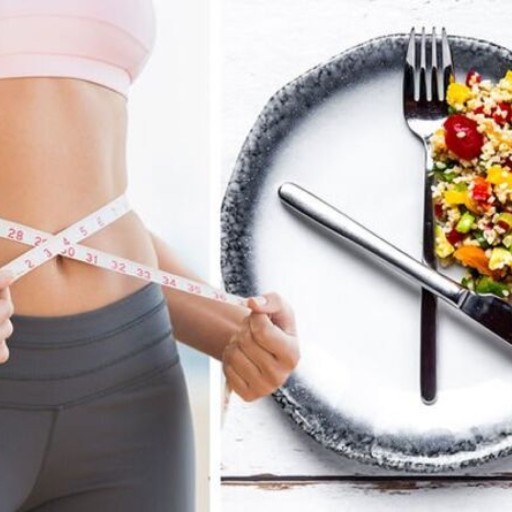
Let's break it down. Intermittent fasting is not a diet; it's an eating pattern. It's all about when you eat, not necessarily what you eat. Think of it as your stomach setting a time to go to work.
Popular methods include **16/8 fasting (fast for 16 hours and eat within 8 hours), 5:2 fasting (eat normally for five days in a row, restricting calories to about 500-600 on two non-consecutive days) or alternate day fasting (fast one day and eat a big meal the next). Here's the beauty of it.
You don't have to count every calorie or swear off your favorite foods (goodbye, kale-only sadness!). . Instead, you simply compress three meals into a specific time frame.
Sounds simple enough, right? But does it really work, or is it just another clever piece of marketing wrapped in fancy buzzwords?

The Science of Fat Burning: what happens when you fast?
Bear with me, because it's worth it! When you eat, your body burns glucose (sugar) from carbohydrates as its main source of energy. But when you fast, your body's glucose stores begin to dwindle, and that's when your body wonders, “Wait, where's my fuel? This is *fat burning*.
During fasting, the body enters a state called ketosis, where it begins to break down stored fat into molecules called ketone bodies, which are used for energy. Think of it as the body's way of tapping into emergency reserves.
Not only does this process burn fat, but it also helps regulate blood sugar levels and insulin response-a key factor in weight control. But don't worry, it's more than just fat-burning fireworks. Intermittent fasting also triggers a phenomenon called “phagocytosis” (fancy word alert!). which is when your body removes damaged fat from your body.
This is when your body removes damaged cells and regenerates new ones. It's like a detox for your insides, making intermittent fasting not only good for your waistline, but potentially good for your overall health.
The Real Deal: Will it help you lose fat?
Yes, intermittent fasting can help you lose fat. But (and that's a big “but”), it's not a magic wand. Here's why it works for some people:
1. control calories without thinking about it
When you cut down on your eating time, you naturally eat less. Think about it: if you skip breakfast and only eat between noon and 8 p.m., that's one less meal to worry about. Eating one less meal often means fewer calories without the hassle of calorie counting.
2. Hormonal help
Intermittent fasting lowers insulin levels, which encourages the body to burn fat. It also raises norepinephrine, a hormone that kicks the metabolism into high gear. Win-win!
3. Simple
Let's be honest, dieting can be a pain in the ass. Counting macros, avoiding carbs, and preparing endless Tupperware meals? Exhausting. Fasting simplifies it all: “No food until noon.” Boom. Done.
4. sustained fat loss
Studies have shown that intermittent fasting can lead to modest fat loss over time. A study published in Obesity Reviews (*Obesity Reviews) found that participants lost an average of about 0.5-1.6 pounds per week. It's not a magical effect that can be achieved overnight, but slow and steady wins the race!
The Not-So-Magical Side
Let's burst the bubble a little. Intermittent fasting sounds like the ultimate fat loss secret, but it's not all sunshine and six-pack abs. Here are some things to consider:
1. It's not for everyone
Skipping meals can make some people hungry (hi, it's me), which can lead to binge eating later. Also, if you have a history of a medical condition such as an eating disorder or diabetes, fasting may be risky without professional guidance.
2. weight loss is not unique
Here's the thing: Intermittent fasting works because it helps you reduce your calorie intake, not because it has magical fat-burning properties. You won't lose weight if you take in 3,000 calories in 8 hours ------ cyclically.
3. It takes getting used to
Those first few fasting mornings? It's brutal. Your stomach is louder than a jet engine and coffee becomes your best friend. Your body needs time to adapt, and not everyone finds it worth the effort.
4. Social life? What social life?
Imagine your friend invites you out for a late night snack, but your eating window closes at 8pm. Embarrassing, right? Fasting schedules sometimes conflict with real-life events, making it hard to stick to them.

So, you decide to try intermittent fasting. Great! Here are some tips to help you make it happen:
1. Start slowly
If you're used to snacking 24/7, don't start a 16-hour fast straight away. Start with a 12-hour fast (e.g., 8 p.m. to 8 a.m.) and gradually increase the fasting time as your body adapts.
2. Stay hydrated
Water is your best friend during fasting. Not only does it keep you feeling full, it also prevents dehydration headaches. Add some lemon juice for flavor - no calories, no problem.
3. Fasting smartly
When it's finally time to eat, don't go for junk food. Choose nutrient-dense meals that include protein, healthy fats and complex carbohydrates to provide your body with the right amount of energy.
4. Listen to your body
Feeling dizzy, overworked or just plain miserable? Stop fasting! Intermittent fasting is not a one-size-fits-all solution, and forcing it can do more harm than good.
6. Pair it with healthy habits
Fasting is best combined with a balanced diet and regular exercise. Think of fasting as the cherry on top of an overall healthy lifestyle, not the whole sundae.
Is it right for you? The bottom line is this: intermittent fasting is not magic, but it's not a scam either. It's a tool - a flexible, science-backed strategy that can help you lose fat if it fits your lifestyle. The key is to approach it with realistic expectations and a mindset of trying it out. If you're a fan of structure and simplicity, then IF recipes may be your golden ticket.
But if the thought of skipping breakfast makes you want to cry into your cereal bowl, then find another path to fat loss. After all, the diet you can stick to is the best diet.
 1
 1
OTHER NEWS
-
- How terrible are carnivorous plants?
- By LH 12 Mar,2025

-
- Is the smell of mowing the grass a distress signal from plants?
- By LH 21 Feb,2025

-
- From planting to caring for flowers that bloom forever
- By MTH 10 Mar,2025

-
- Spring is here! Give Your Garden a New Look with These Gardening Tips
- By MTH 20 Feb,2025

-
- Sustainable Gardening Starts With Organic Supplies
- By Prodosh Kundu 28 Oct,2024

-
- The natural choice for indoor air purification five high-quality greenery recommendations
- By YL 14 Mar,2025

-
- Hydroponic plants, gardening tips
- By LH 02 Apr,2025

-
- Growing For The Planet: How Sustainable Gardening Practices Can Help To Mitigate Climate Change
- By Prodosh Kundu 28 Oct,2024

-
- How Organic Gardening Supplies Can Transform Your Garden And The Environment?
- By Prodosh Kundu 28 Oct,2024

-
- How do you control pests and diseases in your garden
- By YL 12 Mar,2025

-
- Do you know these secrets of plants?
- By LH 18 Feb,2025

-
- Here’s a complete guide on what you should prepare before planting your seeds.
- By Prodosh Kundu 18 Jul,2024