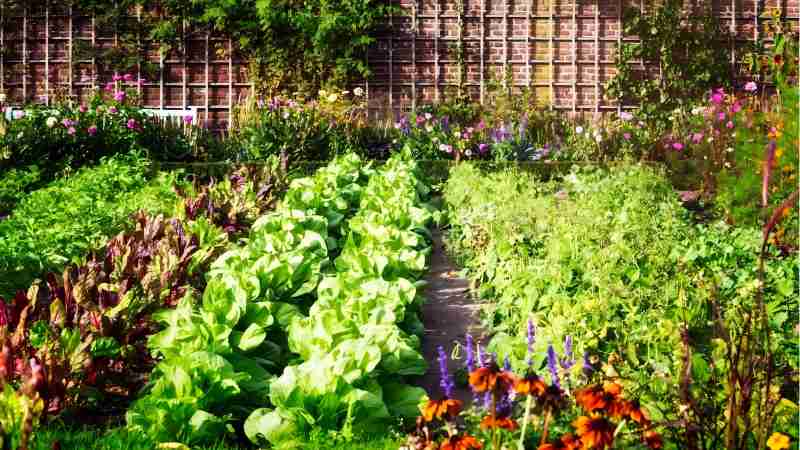
Care for the eye health of the elderly, starting from daily details!
As they age, the eye health problems of the elderly gradually become prominent, which not only affects their quality of life, but also their physical and mental health. Eye diseases in the elderly are often hidden and progressive, and many initial symptoms are not obvious and easy to be ignored.
Therefore, caring for the eye health of the elderly is the responsibility of each of us. So how can the elderly protect their eyes in daily life?
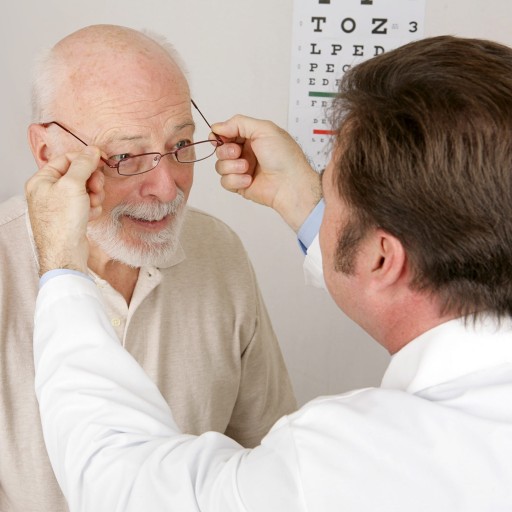
Regular eye examinations
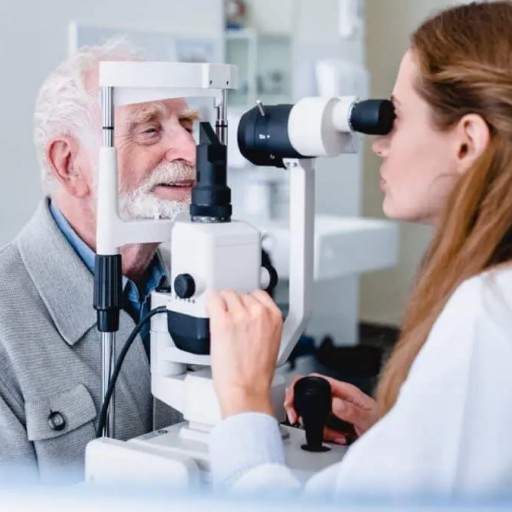
Regular eye examinations are the key to preventing eye diseases. As the elderly age, various parts of the eyes will degenerate to varying degrees, such as cataracts, glaucoma, and macular degeneration.
These eye diseases may not have obvious symptoms in the early stages, but if they are not diagnosed and treated in time, they will lead to a gradual decline in vision and even blindness.
Therefore, it is recommended that the elderly have a comprehensive eye examination at least once a year to detect and treat eye diseases early.
Eye examinations include not only vision tests, but also detailed examination items such as intraocular pressure measurement and fundus examination. For the elderly with chronic diseases such as diabetes and hypertension, special attention should be paid to eye health, because these diseases are prone to cause eye complications.
Through regular examinations, eye problems can be discovered in time, and effective treatment measures can be taken to delay vision loss.
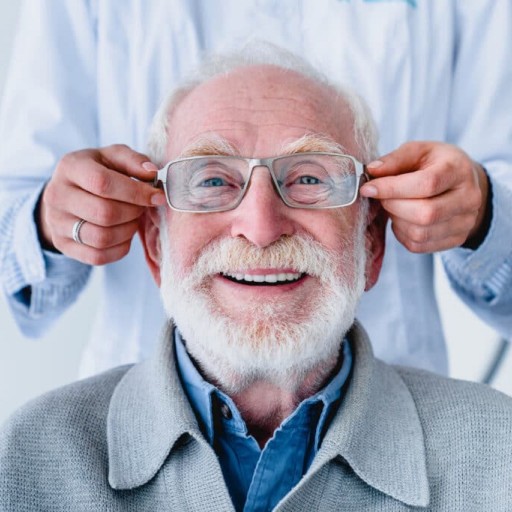
Reasonable diet
Diet has an important impact on eye health. The elderly should eat more foods rich in nutrients such as vitamins A, C, E, D, B group and zinc, such as eggs, milk, fish, green leafy vegetables, etc. These nutrients have a good protective effect on the eyes, can maintain the normal function of eye tissues, and prevent the occurrence of eye diseases.
For example, vitamin A helps to maintain the normal function of the retina, vitamins C and E have antioxidant effects, can protect eye cells from damage by free radicals, and zinc helps to maintain the normal metabolism of the retina.
In addition, foods rich in lutein and zeaxanthin, such as green leafy vegetables, egg yolks, etc., are also very effective in preventing macular degeneration.
Adequate rest
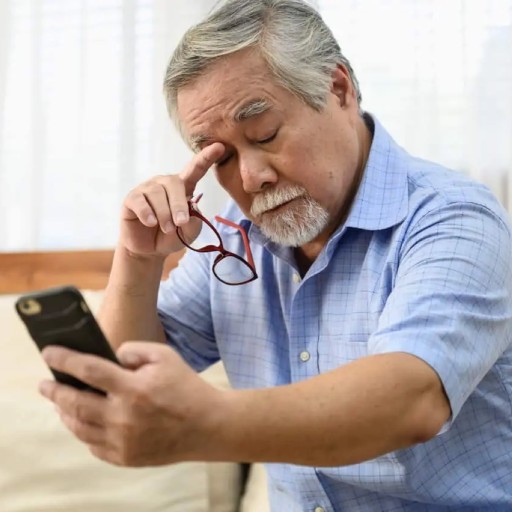
Maintaining a good work and rest schedule and ensuring enough sleep every day are the basis for maintaining eye health. Watching TV, playing with mobile phones, reading books, etc. for a long time will cause eye fatigue and accelerate vision loss.
The elderly should try to avoid long-term close-range use of their eyes. They should take a break every once in a while, close their eyes or look at distant scenery to reduce the burden on their eyes.
Adequate sleep helps repair and renew eye tissues and relieve eye fatigue. At the same time, maintaining a good attitude and avoiding overly excited emotions can also help eye health. An optimistic and positive attitude can reduce physical stress and is conducive to the prevention and treatment of eye diseases.
Proper exercise
Proper physical exercise can improve eye blood circulation and prevent eye diseases. The elderly can choose low-intensity exercises such as walking and aerobics, which are not only good for physical health, but also improve eye blood circulation and promote the metabolism and repair of eye tissues.
In addition, looking far away is also an effective way to exercise the eyes. The elderly can do it indoors or outdoors, regularly exercise the eyeballs and look straight at distant scenery, such as mountains, rooftops, spires, rivers, etc. This exercise can regulate eye muscles and lenses, reduce eye fatigue, and improve vision.
Pay attention to eye hygiene
Maintaining sufficient indoor light and avoiding looking at things in low light or backlight environments are important measures to protect the eyes.
The elderly should pay attention to the distance and sitting posture of the eyes and avoid using the eyes at close range for a long time. When reading or watching TV, keep a proper distance to avoid excessive concentration and fatigue of the eyes.
At the same time, the elderly should avoid rubbing their eyes with their hands to avoid eye infections. If the eyes feel uncomfortable or tired, you can use a hot towel to fumigate your eyes to help eliminate eye muscle fatigue.
When doing outdoor activities, especially in windy and dusty weather, you should wear goggles to prevent sand from blinding your eyes. When going out on snowy days in summer and winter, choose sunglasses to protect your eyes from strong ultraviolet light.
Wear suitable glasses
As the vision of the elderly decreases, they should wear reading glasses correctly. Do not buy inferior glasses at will, but customize glasses that suit your eye condition. Wearing suitable glasses can reduce the burden on the eyes, improve visual quality, and prevent the occurrence of eye diseases.
For the elderly with problems such as myopia, hyperopia or astigmatism, they should be equipped with suitable glasses or contact lenses in time. The correct glasses can correct refractive errors, reduce the burden on the eyes, and protect eye health.
Prevent eye diseases
The elderly should pay special attention to the prevention of common eye diseases such as cataracts, glaucoma, and macular degeneration. Cataracts are one of the most common eye diseases among the elderly, which can cause symptoms such as blurred vision and sensitivity to light.
Quitting smoking, avoiding ultraviolet radiation, and taking in an appropriate amount of antioxidants can all help prevent cataracts.
Glaucoma is a blinding eye disease that causes increased intraocular pressure and damage to the optic nerve. The elderly should measure their intraocular pressure regularly and undergo fundus examinations to detect and treat glaucoma early.
To prevent macular degeneration, you need to consume foods rich in nutrients such as lutein and zeaxanthin, and avoid bad habits such as smoking and drinking.
Eye massage and hot compress
Proper eye massage and hot compress can relieve eye fatigue and prevent eye diseases. The elderly can perform simple eye massages at home, such as gently pressing the acupoints around the eyeballs, such as the temples, Zanzhu points, and Sibai points with their index and middle fingers.
Pressing each acupoint for about 10 seconds and then releasing it can help improve blood circulation in the eyes.
Hot compress is also an effective eye care method. The elderly can apply a warm towel to their eyes for about 10 minutes each time, 2-3 times a day. Hot compress can relax eye muscles, relieve eye fatigue, and promote the repair and renewal of eye tissues.
By proactively taking these steps, seniors can enhance their eye health and reduce the risk of age-related vision problems. Prioritizing regular eye exams, maintaining a healthy lifestyle, and protecting the eyes from harmful elements are key steps to maintaining clear vision and a higher quality of life.
Remember, early detection and timely intervention are key to resolving potential eye problems, so let’s prioritize eye health and ensure our golden years are bright and clear.
 1
1 1
1OTHER NEWS
-
- Planting Tips: Best Indoor Plants Recommendations and Care Guide
- By MTH 18 Feb,2025

-
- The Five Best Flowers for Newbies to Keep Alive
- By MTH 14 Mar,2025

-
- Sustainable Gardening Starts With Organic Supplies
- By Prodosh Kundu 28 Oct,2024
-
- 15 kinds of flowers suitable for summer
- By LH 31 Mar,2025

-
- The natural choice for indoor air purification five high-quality greenery recommendations
- By YL 14 Mar,2025
-
- Is the smell of mowing the grass a distress signal from plants?
- By LH 21 Feb,2025
-
- From planting to caring for flowers that bloom forever
- By MTH 10 Mar,2025

-
- How do you control pests and diseases in your garden
- By YL 12 Mar,2025
-
- Hydroponic plants, gardening tips
- By LH 02 Apr,2025
-
- What are the most ugly plants in the gardening world?
- By LH 09 Apr,2025

-
- Spring is here! Give Your Garden a New Look with These Gardening Tips
- By MTH 20 Feb,2025
-
- How Organic Gardening Supplies Can Transform Your Garden And The Environment?
- By Prodosh Kundu 28 Oct,2024