Prevention and management of hypertension in the elderly
Hypertension is a common chronic disease with a high prevalence in the elderly population in the United States. With the aging of the population, the prevention and management of hypertension in older adults has become an important issue in public health.
Effective preventive measures and scientific management methods can not only improve the quality of life of the elderly, but also reduce the risk of serious complications such as cardiovascular disease.
Current situation of hypertension in the elderly
In the United States, the prevalence of hypertension in the elderly increases significantly with age. Statistically, approximately more than half of all older adults 65 years of age and older have hypertension.
This high prevalence is associated with a variety of factors, including genetic factors, lifestyle, dietary habits and the natural decline of body functions with age.
Some older adults have a family predisposition to hypertension. Certain genetic variations may affect physiological processes such as vascular tension and the ability of the kidneys to process sodium, thus increasing the risk of developing hypertension.
Many older Americans are inactive. A sedentary lifestyle leads to weight gain, weakened muscle strength, and a lower body metabolic rate. Lack of exercise prevents the heart and blood vessels from functioning effectively, and the elasticity of blood vessels gradually decreases, which can easily cause blood pressure to rise.
Although the proportion of elderly people who smoke and drink alcohol may have declined compared to that of younger people, there are still some elderly people who have the habit of smoking and drinking excessively.
Nicotine and alcohol in tobacco can damage the endothelial cells of blood vessels, affecting the normal diastolic function of blood vessels, which in turn leads to an increase in blood pressure.
The intake of salt in the country's traditional diet is generally high. Excessive salt intake will cause sodium and water retention in the body, increasing blood volume and thus raising blood pressure.

For the elderly, the gradual decline in kidney function and the weakened excretion of sodium, the impact of a high salt diet on blood pressure is even more pronounced.
Large intake of high-fat foods, such as fried foods and red meat, will lead to abnormal blood lipids. High blood lipids will promote the formation of atherosclerosis, thickening and hardening the walls of blood vessels, narrowing the lumen, increasing the resistance to blood flow, and leading to higher blood pressure.
Cardiovascular diseases Hypertension is an important risk factor for cardiovascular diseases. Prolonged hypertension will increase the burden on the heart, leading to left ventricular hypertrophy and increasing the risk of coronary heart disease, heart failure and other cardiovascular diseases.
At the same time, high blood pressure will also damage the endothelial cells of blood vessels and promote the formation of atherosclerotic plaques, which can easily lead to stroke and peripheral vascular disease.
Kidney disease The kidneys of the elderly are more sensitive to changes in blood pressure. High blood pressure will impair the glomerular filtration function, leading to a gradual decline in kidney function. As the disease progresses, renal failure may occur, seriously affecting the health and quality of life of the elderly.
Cognitive dysfunction Studies have shown a close link between hypertension and cognitive dysfunction in the elderly. Prolonged hypertension may affect blood circulation to the brain, leading to microvascular lesions in the brain and increasing the risk of dementia (e.g. Alzheimer's disease and vascular dementia).
Preventive measures for hypertension in the elderly
Advocacy of healthy lifestyle
Exercises suitable for older Americans include walking, tai chi, yoga, and swimming. Walking is a simple, easy, safe and effective way to exercise. Walking for more than 30 minutes a day can enhance cardiopulmonary function, promote blood circulation and help lower blood pressure.
Tai chi and yoga focus on flexibility and balance, while also regulating breathing and relaxing the body and mind, which has a positive effect on blood pressure control. Swimming is less stressful to the joints and can fully exercise the muscles of the whole body.
Older adults should engage in at least 150 minutes of moderate-intensity aerobic exercise per week, such as dividing it into five days of 30 minutes of exercise per day.
In addition, it can be combined with a moderate amount of strength training, such as the use of lighter dumbbells for upper extremity strength exercises, 2 - 3 times a week, in order to enhance muscle strength and increase the basal metabolic rate.

Quit Smoking and Limit Alcohol
Quitting smoking is critical to preventing high blood pressure and improving overall health. Medical institutions and community organizations in the United States help older adults recognize the dangers of smoking and encourage them to quit through public education and smoking cessation counseling.
For example, smoking cessation hotlines are available to provide counseling and support to older adults during the cessation process.
For older persons who drink alcohol, they should drink in moderation. The amount of alcohol consumed should not exceed 2 standard drinking units (1 standard drinking unit is equivalent to 14 grams of pure alcohol) per day for men and 1 standard drinking unit for women.
Excessive alcohol consumption can have an adverse effect on blood pressure, and reducing alcohol consumption can help prevent hypertension.
Healthy Eating
The U.S. Dietary Guidelines recommend that seniors consume no more than 2,300 milligrams of salt per day, which should be further reduced to less than 1,500 milligrams for those with high blood pressure, diabetes or kidney disease.
Reducing intake of processed foods and salty snacks and increasing intake of fresh vegetables, fruits and whole grains can help control salt intake. For example, eat more potassium-rich foods such as broccoli, spinach, apples and bananas. Potassium helps promote sodium excretion, which is beneficial to blood pressure control.
Reduce the intake of saturated and trans fats and increase the intake of unsaturated fats. Choose healthy food sources such as lean meat, fish, nuts and olive oil. Fish is rich in Omega - 3 fatty acids, which can lower blood lipids and improve the endothelial function of blood vessels, which is beneficial to the prevention of hypertension.
Regular Health Screening
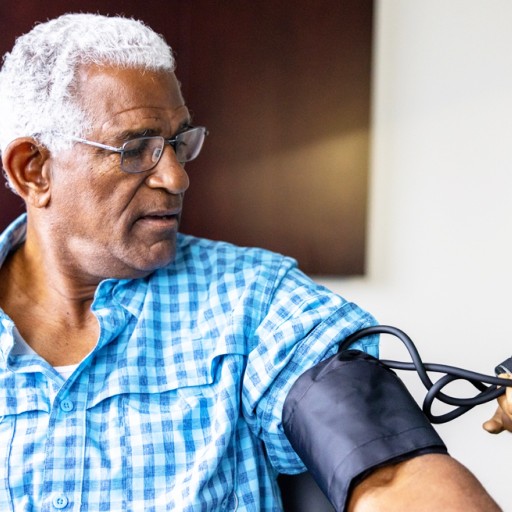
Older Americans should have their blood pressure measured regularly. At home, self-monitoring can be done with a home blood pressure monitor, measuring at least 2 - 3 times a week and recording the blood pressure value.
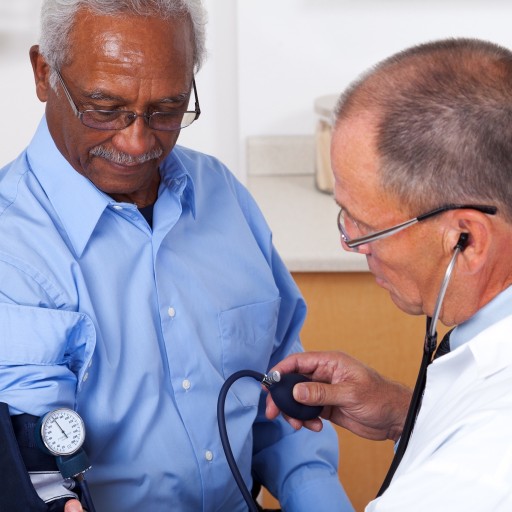
At medical institutions, it is recommended to have a comprehensive physical examination at least once a year, including blood pressure measurement, electrocardiogram examination, and blood biochemistry tests (e.g., lipids, blood glucose, kidney function, etc.).
Regular blood pressure monitoring enables timely detection of abnormal changes in blood pressure so that appropriate interventions can be taken.
Early screening should be conducted for older adults with a family history of hypertension, obesity, diabetes, and other high-risk factors.
In addition to blood pressure measurement, some special examinations, such as vascular endothelial function test and ambulatory blood pressure monitoring, etc., can be carried out in order to find out the pre-hypertension state or hidden hypertension at an early stage, so as to take precautionary measures to delay the occurrence of hypertension.
Management Strategies of Hypertension in the Elderly in the United States
Diuretics are one of the commonly used drugs for treating hypertension in the elderly, such as hydrochlorothiazide. Diuretics are commonly used in the treatment of hypertension in the elderly, such as hydrochlorothiazide, which reduces blood pressure by promoting renal urination and decreasing blood volume.
It is more effective for the elderly with salt-sensitive hypertension, but care needs to be taken to monitor blood potassium levels during use because diuretics may lead to a decrease in blood potassium.
Calcium channel blockers, such as amlodipine and nifedipine. These drugs can prevent calcium ions from entering the smooth muscle cells of blood vessels, make blood vessels dilate, and reduce peripheral vascular resistance, thus lowering blood pressure.
Calcium channel blockers have a significant effect on lowering blood pressure in the elderly, and the side effects are relatively small, especially for the elderly with coronary heart disease and angina pectoris.
Angiotensin-converting enzyme inhibitors (ACEI) and angiotensin II receptor blockers (ARB) ACEI such as enalapril, benazepril, etc., and ARB such as chlorosartan, valsartan, etc..
They lower blood pressure by inhibiting the renin-angiotensin-aldosterone system (RAAS), reducing the production of angiotensin II or blocking its action.
These two types of drugs have an important role in protecting the heart, kidneys and other target organs, and are especially suitable for the elderly with combined heart failure and diabetic nephropathy, but side effects such as dry cough may occur when using ACEI.
General Goals For most older Americans, the target value for blood pressure control is <140/90 mmHg. However, for older adults with comorbidities such as diabetes mellitus, renal disease, and heart failure, the goal for blood pressure control may be more stringent, e.g., <130/80 mmHg.
The risk of complications such as cardiovascular disease can be significantly reduced by controlling blood pressure within the target range.
Management of Blood Pressure Fluctuations Blood pressure fluctuates greatly in older adults, who are prone to early morning hypertension and postural hypotension.
For early morning hypertension, the time of drug administration can be adjusted, such as taking long-acting antihypertensive drugs before bedtime, to effectively control early morning blood pressure rise.
For postural hypotension, the elderly should be slow in changing positions, such as sitting for a while and then slowly standing up when going from lying down to standing position. Meanwhile, in terms of drug treatment, drugs that may aggravate postural hypotension, such as α-blockers, should be avoided.
Comprehensive intervention of cardiovascular risk factors In addition to controlling blood pressure, other cardiovascular risk factors should be actively intervened, such as controlling blood lipids, blood glucose and body weight.
For the elderly with dyslipidemia, lipid-lowering drugs such as statins should be given according to the lipid level and risk of cardiovascular disease.
For diabetic patients, blood glucose level should be strictly controlled and glycated hemoglobin should be kept within the target range through dietary control, exercise and exercise and medication.
Weight control is also an important part of comprehensive management, and the body mass index (BMI) should be controlled between 18.5 - 23.9 kg/m² through reasonable diet and moderate exercise.
Psychological support and quality of life improvement The management of hypertension is not only about controlling blood pressure values, but also about the psychological health and quality of life of the elderly.
Chronic illness may cause psychological problems such as anxiety and depression in older adults, and these emotional problems can in turn affect blood pressure control.
Medical institutions and community organizations in the United States provide psychological support to the elderly and improve their psychological state by providing psychological counseling and organizing social activities.
At the same time, by improving lifestyle and controlling blood pressure, they reduce the occurrence of hypertension-related complications and improve the quality of life of the elderly, so that they can actively participate in social activities and enjoy their twilight years peacefully.
The prevention and management of hypertension in older Americans is a comprehensive process that requires a number of aspects, including the promotion of healthy lifestyles, regular health checkups, medication, blood pressure target management, and comprehensive management.
Through the joint efforts of the whole society, including the active participation of medical institutions, community organizations, families, and older adults themselves, it is possible to effectively prevent the occurrence of hypertension.
Improve the management of hypertensive patients, and reduce the risk of serious complications such as cardiovascular disease, thereby improving the overall health and quality of life of older Americans.
In the future, as medical research continues to deepen and medical technology continues to develop, it is believed that the prevention and management of hypertension in older adults in the United States will achieve even more significant results.
 1
1 1
1OTHER NEWS
-
- Planting Tips: Best Indoor Plants Recommendations and Care Guide
- By MTH 18 Feb,2025

-
- The Five Best Flowers for Newbies to Keep Alive
- By MTH 14 Mar,2025

-
- Sustainable Gardening Starts With Organic Supplies
- By Prodosh Kundu 28 Oct,2024
-
- 15 kinds of flowers suitable for summer
- By LH 31 Mar,2025
-
- The natural choice for indoor air purification five high-quality greenery recommendations
- By YL 14 Mar,2025
-
- Is the smell of mowing the grass a distress signal from plants?
- By LH 21 Feb,2025
-
- From planting to caring for flowers that bloom forever
- By MTH 10 Mar,2025

-
- How do you control pests and diseases in your garden
- By YL 12 Mar,2025
-
- Hydroponic plants, gardening tips
- By LH 02 Apr,2025
-
- What are the most ugly plants in the gardening world?
- By LH 09 Apr,2025

-
- Spring is here! Give Your Garden a New Look with These Gardening Tips
- By MTH 20 Feb,2025

-
- How Organic Gardening Supplies Can Transform Your Garden And The Environment?
- By Prodosh Kundu 28 Oct,2024