If your skin is too oily, it may be that your skin is dehydrated
In daily life, many people face the problem of oily skin. Whether it is the oily face when you wake up in the morning or the "reflective" phenomenon in the T zone in the afternoon, many people are troubled. Many people's first reaction is to increase the number of cleansing or use stronger oil control products.
However, a reason that is often overlooked is that the skin is dehydrated. This seemingly contradictory phenomenon actually contains important scientific principles for skin care.
1. Basic characteristics of oily skin
Oily skin is usually characterized by vigorous sebum secretion, large pores, and prone to acne and pimples. Sebum is the natural protective layer of the skin, which can keep the skin hydrated and prevent the invasion of harmful substances from the outside world.
However, when sebum is secreted too much, the skin will appear greasy and even cause various skin problems.
People with oily skin often think that their skin is already "moist" enough and does not need additional moisturizing. But in fact, this understanding is wrong.
Oily skin also needs moisture to maintain its normal physiological functions. The balance of moisture and oil is the basis of healthy skin, and this balance needs to be maintained regardless of skin type.
2. The relationship between skin dehydration and oil secretion
When the skin is dehydrated, the body will mistakenly think that the skin needs more oil to lock in moisture, thereby stimulating the sebaceous glands to secrete more sebum. This is why oily skin tends to become more greasy in a dry environment or when the seasons change.
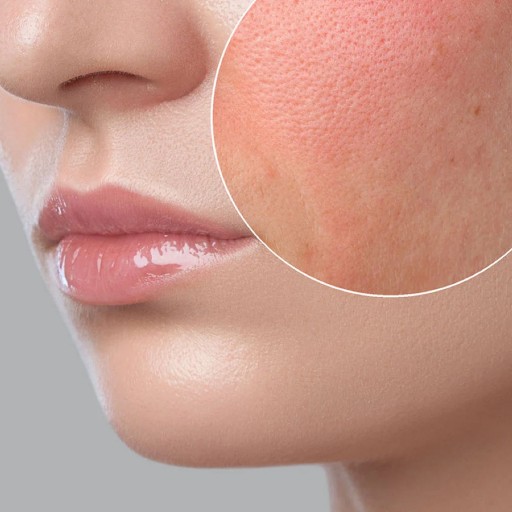
In addition, skin dehydration can also cause damage to the skin barrier function, making the skin more susceptible to external stimuli, causing sensitivity, redness and swelling and other problems. These problems in turn will aggravate the skin's oil secretion, forming a vicious cycle.
3. How to judge whether the skin is dehydrated
To judge whether the skin is dehydrated, you cannot rely solely on feeling or appearance. Here are some ways to judge whether the skin is dehydrated:
Tightness: After washing your face, if the skin feels tight, it means that the skin is dehydrated.
Peeling: When the skin is dry, it is prone to peeling, especially around the cheeks and corners of the mouth.
Uneven skin color: Dehydrated skin can cause uneven skin color, dark spots and fine lines.
Decreased skin elasticity: Gently pinch the skin, and if the skin recovers slowly after loosening, it means that the skin is dehydrated.
4. How to improve the problem of dehydration of oily skin
To improve the problem of dehydration of oily skin, we need to start from multiple aspects, including daily skin care, diet and lifestyle habits.
1. Daily skin care
Gentle cleansing: Use mild cleansing products and avoid using facial cleansers with strong alkalinity to avoid damaging the skin's natural protective layer.
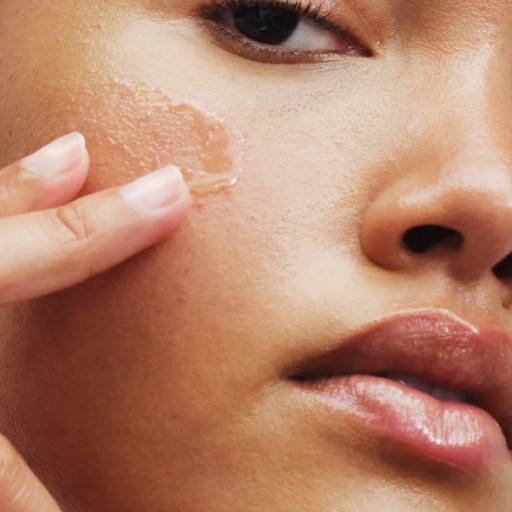
Hydrating and moisturizing: Choose hydrating and moisturizing products suitable for oily skin, such as products containing moisturizing ingredients such as hyaluronic acid and glycerin. These ingredients can help the skin absorb and lock in moisture without increasing the greasy feeling of the skin.
Equal emphasis on oil control and moisturizing: When choosing skin care products, pay attention to equal emphasis on oil control and moisturizing. Oil control products can help reduce sebum secretion, while moisturizing products can maintain the moisture balance of the skin.
Exfoliate regularly: Regular exfoliation can help remove dead skin cells and excess oil on the surface of the skin, promote skin metabolism, and make the skin smoother and more delicate. However, exfoliation should not be too frequent to avoid damaging the skin barrier.

2. Diet adjustment
Drink more water: Maintaining adequate water intake every day can help improve the problem of skin dehydration. It is recommended to drink more than 8 glasses of water a day to maintain the body's water balance.
Eat more foods rich in vitamins: Vitamins A, C, E, etc. are essential for skin health. Eating more foods rich in vitamins, such as vegetables, fruits, nuts, etc., can help the skin maintain moisture and elasticity.
Reduce the intake of greasy food: Greasy food increases sebum secretion and aggravates the problem of greasy skin. Therefore, it is recommended to reduce the intake of high-fat foods such as fried and grilled foods.
3. Living habits
Get enough sleep: Adequate sleep helps repair and regenerate the skin. It is recommended to maintain 7-8 hours of sleep every night to improve the skin condition.
Avoid prolonged exposure to the sun: Ultraviolet rays can damage the skin's natural protective layer, causing the skin to be dehydrated and dry. Therefore, it is recommended to avoid prolonged exposure to the sun, and apply sunscreen or use tools such as parasols when going out.
Reduce tobacco and alcohol intake: Tobacco and alcohol accelerate skin aging and damage the skin's natural barrier function. In order to maintain the healthy state of the skin, it is recommended to reduce the intake of tobacco and alcohol.
Too oily skin may be a sign of dehydration. By understanding the relationship between oily skin and moisture balance, we can better understand our skin condition and take effective measures to improve skin problems.
Daily skin care, dietary adjustment and improvement of living habits are the key to improving the problem of oily skin dehydration. Only by maintaining the moisture balance of the skin can we have healthy, smooth and delicate skin.
In daily life, we should pay attention to every detail of the skin and learn to listen to the voice of the skin. When the skin sends a "dehydration" signal, we should take timely measures to replenish moisture instead of blindly using oil control products. Only in this way can we have truly healthy and beautiful skin.
 1
1 1
1OTHER NEWS
-
- The natural choice for indoor air purification five high-quality greenery recommendations
- By YL 14 Mar,2025

-
- Do you know these secrets of plants?
- By LH 18 Feb,2025

-
- Sustainable Gardening Starts With Organic Supplies
- By Prodosh Kundu 28 Oct,2024

-
- How terrible are carnivorous plants?
- By LH 12 Mar,2025

-
- Have you ever seen a magical plant that can grow by drinking air?
- By LH 14 Mar,2025
-
- Spring is here! Give Your Garden a New Look with These Gardening Tips
- By MTH 20 Feb,2025

-
- From planting to caring for flowers that bloom forever
- By MTH 10 Mar,2025

-
- Hydroponic plants, gardening tips
- By LH 02 Apr,2025
-
- How Organic Gardening Supplies Can Transform Your Garden And The Environment?
- By Prodosh Kundu 28 Oct,2024

-
- Vigilance! Keeping these kinds of plants indoors may harm your health
- By ZYY 09 Apr,2025
-
- Growing For The Planet: How Sustainable Gardening Practices Can Help To Mitigate Climate Change
- By Prodosh Kundu 28 Oct,2024
-
- What are the most ugly plants in the gardening world?
- By LH 09 Apr,2025