How to deal with seasonal skin changes A guide to fall and winter care
As the seasons change, so do the needs of the skin. During the fall and winter seasons, when the temperature plummets and the air humidity decreases, the skin is prone to face problems such as dryness, sensitivity and dullness. If you don't adjust your skincare regimen in time, your skin barrier may be damaged, leading to a variety of skin problems.
In this article, we will discuss in detail the causes of skin changes and ways to deal with them during the fall and winter seasons, providing you with a comprehensive care guide to keep your skin healthy and smooth during the cold season.
The reasons for skin changes in the fall and winter seasons
Temperature drop: lower temperatures in the fall and winter season, sebaceous glands are less active, the skin's natural oil secretion is reduced, resulting in accelerated evaporation of skin moisture, prone to dryness.
Reduced air humidity: the air humidity in the fall and winter is low, and the external environment reduces moisture, making it easier for the skin surface to lose moisture.
Increased wind: Cold wind accelerates the loss of moisture from the skin's surface, weakening the skin's barrier function and even triggering sensitivity and peeling.
Indoor heating devices: Heating devices such as heaters and air conditioners keep the room warm, but they significantly reduce air humidity, further exacerbating the problem of dry skin.
The core principles of skin care in the fall and winter seasons
To keep your skin healthy in the fall and winter seasons, you need to make adjustments according to your skin's needs, and here are the four core principles:
Hydration and moisturizing: locking in moisture is the top priority of fall and winter skin care. By combining external hydration with internal moisturization, dry skin can be greatly improved.
Repair the barrier: the skin barrier is vulnerable to environmental aggression in the fall and winter, strengthen the barrier repair can enhance the skin's self-protection ability.
Gentle Cleansing: Cleansing products and techniques should be as gentle as possible to avoid over-cleansing and damaging the skin's natural protective film.
Antioxidant and Nutritional Support: Although UV rays diminish during the fall and winter months, free radicals are still present. Provide your skin with full protection through antioxidant treatments while replenishing the nutrients it needs.
The specific steps of fall and winter skin care
The following are scientific skin care steps to help you cope with the skin challenges of the fall and winter seasons:
Morning Skin Care Steps
Gentle cleansing: Use low-foaming or non-foaming cleansing products, wash with lukewarm water to avoid stimulating the skin with too hot or too cold water temperature.
Hydrating Lotion: Choose a lotion with moisturizing ingredients and pat it on until it is absorbed, setting the stage for subsequent treatments.
Moisturizing lotion or cream: Choose a lotion or cream with a light texture and a moisturizing feel to help lock in skin moisture.
Sunscreen: Although the sun is not as strong in fall and winter, UV rays can still damage your skin. Choose a moisturizing sunscreen to complete daytime protection.
Nighttime Skincare Steps
Deep Cleansing: Use a gentle make-up remover oil or lotion, along with a low irritation cleanser, to thoroughly cleanse your skin of the day's dirt and make-up.
Deep Moisturizing Essence : Use an essence containing hyaluronic acid, glycerin and other ingredients to provide deep nourishment to the skin.
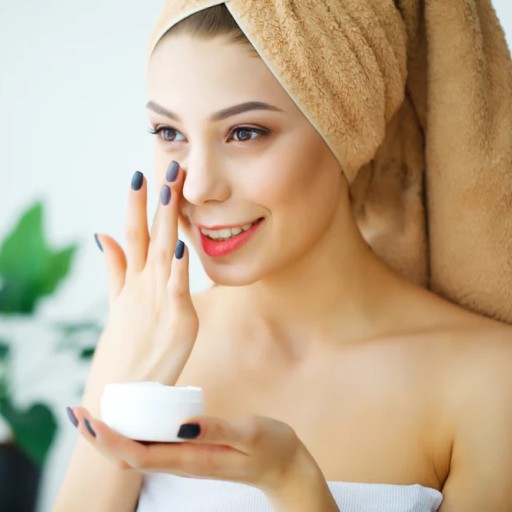
Repairing Night Cream : Choose a night cream with barrier-repairing properties to repair damaged areas of the skin during the day and support skin metabolism at night.
Weekly Special Care
Hydrating Mask : Use a hydrating mask 2-3 times a week to quickly energize the skin.
Gentle Exfoliation : A gentle exfoliation is recommended once a week to remove the buildup of old keratin and help the skin better absorb nutrients.
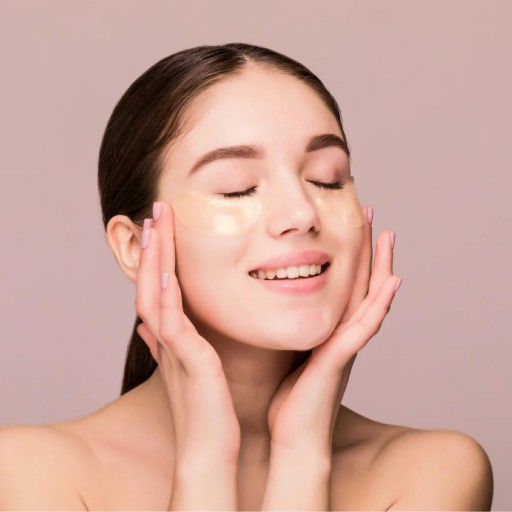
Eye Care : For dry lines and dullness around the eyes, use a highly moisturizing eye cream or eye mask to replenish moisture and elasticity to the skin around the eyes.
The precautions in the fall and winter care
Avoid over-cleaning: Over-cleaning can damage the skin's natural protective barrier, leading to increased dryness and sensitivity.
Reduce high-temperature bathing: prolonged high-temperature bathing will take away the oil on the surface of the skin, it is recommended to use warm water close to body temperature.
Drink plenty of water and moisturize internally and externally: Ensure adequate water intake every day to maintain the moisture balance of the body and skin.
Dietary regulation: Autumn and winter diet should focus on nutritional balance, increase the intake of food rich in vitamins A, C, E, such as carrots, citrus, nuts, etc., to help improve the skin condition.
Appropriate exercise: through exercise to promote blood circulation, enhance the skin's metabolic capacity, so that the skin is more rosy and shiny.
Adjust the care strategy according to skin type
Dry skin: hydration and moisturizing is the key, choose a thicker texture of the product, to provide enough moisture.
Oily skin: even if the skin is more oily, you need to hydrate, to avoid the lack of water caused by the “oil inside the dry” problem.
Sensitive skin: Avoid skin care products that contain harsh ingredients such as alcohol and fragrances, and choose soothing and repairing products.
Combination skin: pay attention to the different needs of the T-zone and U-zone, zone care better.
Fall and winter skin care health concepts
Dual care of skin and psychology: the weather in fall and winter may affect mood and sleep, which in turn affects the skin. Relieve stress through meditation and yoga to indirectly improve skin condition.
Stick to a regular routine: Keeping enough sleep to repair skin damage at night helps to improve the skin barrier function.
Environmental adjustment: you can use a humidifier indoors to increase the humidity of the air and improve the effects of a dry environment on the skin.
Although the fall and winter seasons place higher demands on skin care, seasonal skin changes can be effectively dealt with by adjusting your skin care strategy according to environmental changes and adhering to scientific care steps. Remember, healthy skin not only relies on careful external care, but also requires comprehensive conditioning from the inside out. May everyone have good, warm, soft skin during the cold fall and winter months.
 1
 1
OTHER NEWS
-
- How to Choose the Best Lawn and Landscaping Services for Your Home
- By Prodosh Kundu 28 Aug,2024

-
- What are the most ugly plants in the gardening world?
- By LH 09 Apr,2025

-
- Planting Tips: Best Indoor Plants Recommendations and Care Guide
- By MTH 18 Feb,2025

-
- Sustainable Gardening Starts With Organic Supplies
- By Prodosh Kundu 28 Oct,2024

-
- Spring is here! Give Your Garden a New Look with These Gardening Tips
- By MTH 20 Feb,2025

-
- Is the smell of mowing the grass a distress signal from plants?
- By LH 21 Feb,2025

-
- The natural choice for indoor air purification five high-quality greenery recommendations
- By YL 14 Mar,2025

-
- Here’s a complete guide on what you should prepare before planting your seeds.
- By Prodosh Kundu 18 Jul,2024

-
- Have you ever seen a magical plant that can grow by drinking air?
- By LH 14 Mar,2025

-
- Growing For The Planet: How Sustainable Gardening Practices Can Help To Mitigate Climate Change
- By Prodosh Kundu 28 Oct,2024

-
- How do you control pests and diseases in your garden
- By YL 12 Mar,2025

-
- The Five Best Flowers for Newbies to Keep Alive
- By MTH 14 Mar,2025