Multiple sunscreen, physical sunscreen, chemical sunscreen
It's a sunny Saturday and you're about to step out of the house to meet a friend. The weather is clear, the sky is blue, and there's a light breeze. You grab your sunscreen, apply a thick layer to your face, and walk out the door, only to be plagued by the overwhelming question you've asked yourself a million times: Wait, which sunscreen is best for me?
Do you choose a sunscreen that promises to “reflect the sun's rays” or one that claims to “absorb harmful UV rays”? Trust me, you're not the only one who is confused! The world of sunscreens is vast and sometimes it feels like you need a degree in chemistry to choose the right one.
But don't worry, let's break down the differences between the two main types of sunscreens:** physical sunscreens** and ** chemical sunscreens**. We're going to take you on this journey as we chat over coffee. Enjoy this fun and sun-filled journey.
What is sunscreen and why do you need it?
Before we dive into the physics vs. chemistry debate, let's quickly remind ourselves why sunscreen is such an integral part of our daily lives. You've heard it a million times before, but it bears repeating: sun damage is real.
When you're outside in the sun, harmful UV rays (that's UV radiation to the science geeks out there) start working their magic. They can cause your skin to burn, wrinkle, and even increase your risk of skin cancer. Oops! You don't need that kind of negativity in your life.
Sunscreen is your superhero here, protecting you from those sneaky rays. But not all sunscreens are created equal. Some reflect the sun's rays, while others absorb them. Armageddon starts here! So, let's take a closer look.
Physical Sunscreens
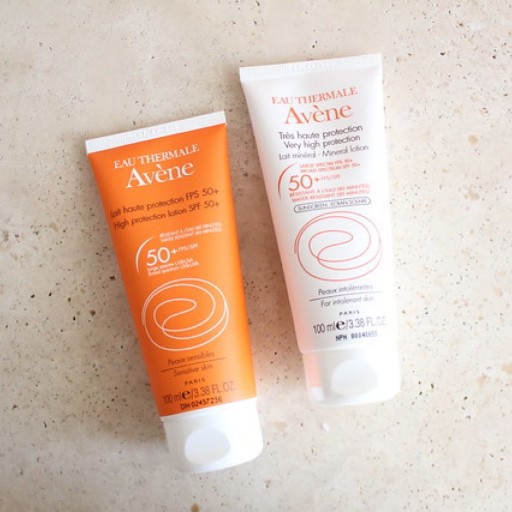
Physical sunscreens, also called mineral sunscreens, are like bodyguards for your skin. They cover the surface of the skin and form a physical barrier that reflects UV rays. The two main ingredients that accomplish this are usually zinc oxide and titanium dioxide.
These ingredients are the superheroes of the sunscreen world. Think of them as tiny mirrors that don't let UV rays touch your skin. Sounds magical, right? But that magic is rooted in simple science. When you apply a physical sunscreen, it's as if you're wearing a force field that bounces harmful rays back to where they came from. Pretty cool, right?
Benefits of physical sunscreen:
1. Instant protection: once you apply the sunscreen, you're ready to start protecting yourself from the sun! No need to wait. That's a major win, right?
2. Sensitive skin's best friend: physical sunscreens are usually less likely to cause irritation. So if you have sensitive skin, rosacea, or acne-prone skin, this could be your go-to.
3. Broad-spectrum protection: They provide broad-spectrum protection, which means they shield against both UVA and UVB rays, which age the skin (hello, wrinkles) and UVB rays, which can cause burns (goodbye, sunburns). With a physical sunscreen, you're protected on all fronts.
4. Natural ingredients: Zinc oxide and titanium dioxide are natural minerals, so if you prefer a product with fewer chemicals, go for a physical sunscreen.
Disadvantages of physical sunscreens:
1. not the most stylish look: well, here's the problem. Physical sunscreens leave a white pasty residue on your skin. Especially if you have darker colored skin, this can look like it's been dipped in flour. That's the problem with white spots! But fear not - many brands have improved their formulas to make it less noticeable.
2. consistency: physical sunscreens tend to be thicker and harder to apply. You may have to struggle a bit to spread it evenly, but it's worth it to protect your skin.
3. Repeat application is key: Although it's ready to use as soon as you put it on, physical sunscreens can easily rub off, especially if you're sweating or swimming. So don't forget to reapply after a few hours. Always be prepared!
Chemical sunscreens
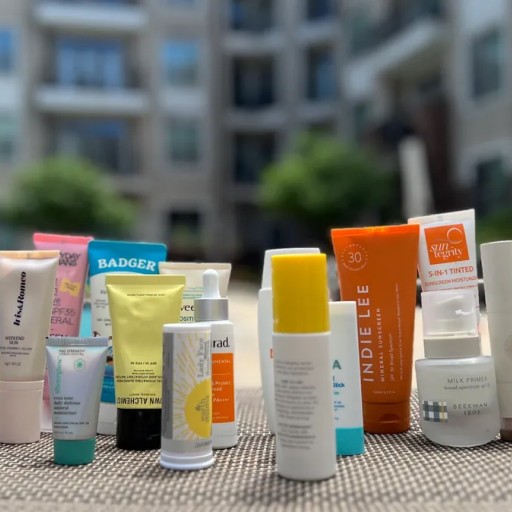
Okay, now we're talking about cool, smooth sunscreens that absorb UV rays like a sponge. Chemical sunscreens work by absorbing UV radiation through their chemical composition and then converting it into heat that is safely released from the skin.
Common ingredients in chemical sunscreens include **Avobenzone**, **Oxybenzone**, **Octinoxate** and **Octadienne**. These sound like tongue twisters, right?
But don't worry, they're doing the heavy lifting to protect your skin. Instead of staying on the surface of your skin like physical sunscreens, chemical sunscreens sink into your skin and work their magic from the inside. It's like secret agents in action - smooth and stealthy!
Advantages of chemical sunscreens:
1. INVISIBLE PROTECTION: One of the biggest advantages of chemical sunscreens is that they are completely invisible! No white spots, no greasy feeling, just clear, smooth skin. That's the dream, isn't it?
2. Lightweight: Chemical sunscreens are usually lightweight, thin, easy to apply and super comfortable. It feels like you're not wearing anything at all!
3. More stylish: Because it doesn't leave a white residue, you can easily get through the day without looking like a ghost. Perfect for selfies on the beach!
4. more for makeup lovers: if you wear makeup every day, then chemical sunscreen can be your base. It won't interfere with foundation and won't give you a weird texture like some physical sunscreens do.
Disadvantages of chemical sunscreens:
1. Sensitive skin may not like it: while chemical sunscreens are great for many people, they can cause irritation for some, especially those with sensitive or acne-prone skin. If you have breakouts or redness, you may want to try them out first before using them fully.
2. Time is of the essence: Unlike physical sunscreens, chemical sunscreens need to be absorbed into the skin before they start to work. This means you should apply your sunscreen at least 20 minutes before you go outside to give it enough time to activate. Talk about a little pre-sun ritual!
3. Reapplication is still important: Like physical sunscreen, chemical sunscreen needs to be reapplied every two hours, especially after sweating or swimming.

Which one is right for you?
We've covered the basics of each sunscreen, so it's time to help you decide which one is your true sunscreen soulmate. Don't worry, it's not a one-size-fits-all issue. You can choose the product that best suits your skin and lifestyle.
If you have sensitive or acne-prone skin, prefer natural minerals, want immediate, no-wait protection, plan to spend a lot of time outdoors in direct sunlight, and need a strong, reliable sun barrier, choose a physical sunscreen.
Choose a chemical sunscreen if you have normal to oily skin, prefer lightweight, invisible formulas, are looking for a sunscreen that goes on super smooth with no visible residue, you spend most of your time indoors, or you don't mind frequent reapplication.
 1
 1
OTHER NEWS
-
- Sustainable Gardening Starts With Organic Supplies
- By Prodosh Kundu 28 Oct,2024

-
- Vigilance! Keeping these kinds of plants indoors may harm your health
- By ZYY 09 Apr,2025

-
- How do you control pests and diseases in your garden
- By YL 12 Mar,2025

-
- Hydroponic plants, gardening tips
- By LH 02 Apr,2025

-
- How Organic Gardening Supplies Can Transform Your Garden And The Environment?
- By Prodosh Kundu 28 Oct,2024

-
- From planting to caring for flowers that bloom forever
- By MTH 10 Mar,2025

-
- Spring is here! Give Your Garden a New Look with These Gardening Tips
- By MTH 20 Feb,2025

-
- 15 kinds of flowers suitable for summer
- By LH 31 Mar,2025

-
- Planting Tips: Best Indoor Plants Recommendations and Care Guide
- By MTH 18 Feb,2025

-
- How to Choose the Best Lawn and Landscaping Services for Your Home
- By Prodosh Kundu 28 Aug,2024

-
- The natural choice for indoor air purification five high-quality greenery recommendations
- By YL 14 Mar,2025

-
- Here’s a complete guide on what you should prepare before planting your seeds.
- By Prodosh Kundu 18 Jul,2024