What’s the Difference Between C-Section and Vaginal Birth?
When a baby is on the way, one of the biggest concerns for moms-to-be is whether to go for a vaginal birth or a C-section. Both delivery methods have their pros and cons, affecting not only the birth process but also the recovery for both mom and baby. Today, let’s break it all down in simple, everyday language so expecting moms can make the best decision for themselves.
What Is Vaginal Birth?
Vaginal birth, also called natural delivery, is when a baby is born through the mother’s birth canal. The process usually happens in three stages:
1. Labor and Cervical Dilation: This is when contractions start, and the cervix slowly opens up (it needs to reach 10 cm for the baby to pass through). This stage can take several hours or even longer.
2. Delivery of the Baby: Once the cervix is fully dilated, the mother needs to push (similar to pushing during a bowel movement) to help the baby move through the birth canal.
3. Delivery of the Placenta: After the baby is born, contractions continue, and the placenta is expelled from the uterus.
What Is a C-Section?
A C-section (Cesarean section) is a surgical procedure where doctors make an incision in the mother’s abdomen and uterus to deliver the baby. This method is usually recommended in cases such as:
● Baby is in an abnormal position (e.g., breech or transverse)
● Baby is too large and can’t pass through the birth canal
● The mother has health conditions like high blood pressure or heart disease, making vaginal birth risky
● Baby is in distress and needs to be delivered quickly
● The mother had a previous C-section and vaginal birth might not be safe
A C-section typically takes less than an hour. After the baby is delivered, the doctor stitches up the incision, and the mother is monitored for recovery.
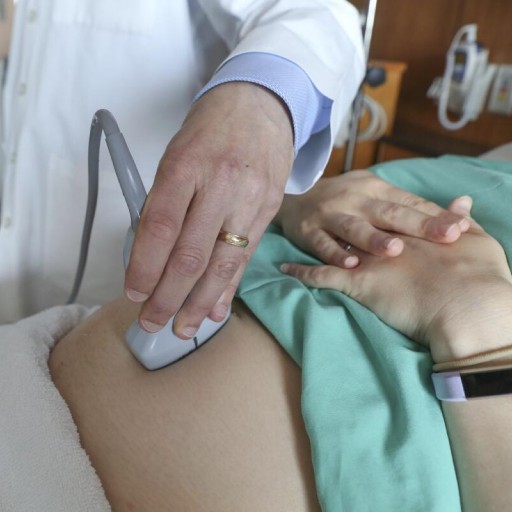
Key Differences Between Vaginal Birth and C-Section
|
Comparison |
Vaginal Birth |
C-Section |
|
Delivery Method |
Contractions + vaginal birth |
Surgical procedure |
|
Pain Level |
Intense pain during labor but faster recovery |
No pain during surgery due to anesthesia, but painful recovery |
|
Recovery Time |
Usually discharged in 2-3 days, full recovery in about a month |
Hospital stay of 5-7 days, full recovery can take two months |
|
Effects on Baby |
Birth canal compression helps lung development |
Baby may take longer to adjust to breathing |
|
Postpartum Complications |
Possible tearing, hemorrhoids, or urinary incontinence |
Risk of infection, adhesions, or scar tissue issues |
|
Impact on Future Pregnancies |
Generally safe for future vaginal deliveries |
Multiple C-sections increase the risk of uterine rupture |
Pros and Cons of Vaginal Birth
Pros:
● Faster recovery: Most moms can get out of bed within hours and fully recover in about a month.
● Better for the baby: The birth canal squeezes out excess fluid from the baby’s lungs, helping them adjust to breathing outside the womb.
● No surgery involved: Avoids risks related to anesthesia, infections, and surgical complications.
Cons:
● Painful: Labor contractions are intense, often described as "unbearable," and the process can last for hours.
● Possible tearing: If the baby’s head is too big, the perineum may tear or require an episiotomy.
● Unpredictable: Some women labor for hours but still end up needing a C-section if complications arise.
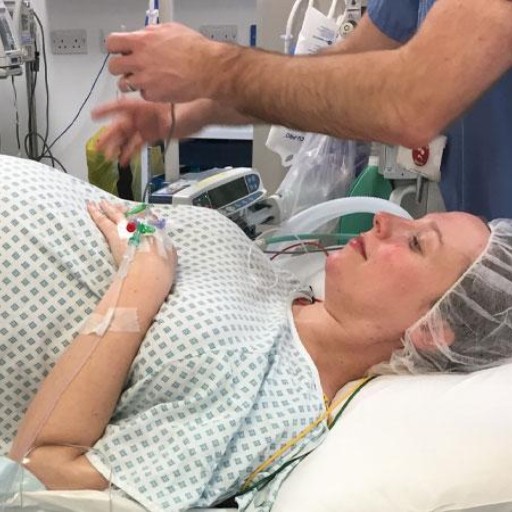
Pros and Cons of C-Section
Pros:
● No labor pain: Thanks to anesthesia, the mother doesn’t feel contractions or the pain of pushing.
● Planned timing: C-sections can be scheduled in advance, making it more predictable.
● No birth canal trauma: No tearing, incontinence, or hemorrhoids.
Cons:
● Longer recovery: Since it’s a major surgery, it takes longer to heal, and movement is painful for weeks.
● More post-op care needed: The incision requires careful monitoring to prevent infection, and heavy physical activity should be avoided.
● May affect future pregnancies: Multiple C-sections increase the risk of uterine rupture, which can be dangerous.
How to Decide? Vaginal Birth or C-Section?
1. If your health allows, vaginal birth is recommended.
a. It’s generally safer, with a faster recovery and benefits for the baby. If your doctor says you’re a good candidate for natural birth, go for it!
2. If there are complications, a C-section may be the safer option.
a. If the baby is in distress, too large, or in an abnormal position, or if you have a medical condition, a C-section might be the best choice to ensure a safe delivery.
3. Don’t follow trends—listen to your doctor.
a. Every pregnancy is unique. Some moms prefer vaginal birth because it’s “natural,” while others choose a C-section to avoid labor pain. The best option is the one that keeps both you and your baby safe.
Whether you go for a vaginal birth or a C-section, the goal is a healthy mom and baby. Vaginal birth allows for faster recovery but involves more pain, while a C-section is more controlled but requires longer healing. Every mother’s body is different, so the best choice is the one that suits your health, circumstances, and medical advice.
Remember, there’s no "better" or "worse" way to give birth—only what’s safest for you and your baby!
 1
1 1
1OTHER NEWS
-
- Sustainable Gardening Starts With Organic Supplies
- By Prodosh Kundu 28 Oct,2024
-
- From planting to caring for flowers that bloom forever
- By MTH 10 Mar,2025

-
- Growing For The Planet: How Sustainable Gardening Practices Can Help To Mitigate Climate Change
- By Prodosh Kundu 28 Oct,2024
-
- How terrible are carnivorous plants?
- By LH 12 Mar,2025

-
- The Five Best Flowers for Newbies to Keep Alive
- By MTH 14 Mar,2025

-
- Hydroponic plants, gardening tips
- By LH 02 Apr,2025
-
- Planting Tips: Best Indoor Plants Recommendations and Care Guide
- By MTH 18 Feb,2025

-
- Is the smell of mowing the grass a distress signal from plants?
- By LH 21 Feb,2025

-
- The natural choice for indoor air purification five high-quality greenery recommendations
- By YL 14 Mar,2025

-
- How do you control pests and diseases in your garden
- By YL 12 Mar,2025

-
- How Organic Gardening Supplies Can Transform Your Garden And The Environment?
- By Prodosh Kundu 28 Oct,2024

-
- How to Choose the Best Lawn and Landscaping Services for Your Home
- By Prodosh Kundu 28 Aug,2024