"Invisible killer" in the blood! Asians and Europeans, who has a more serious cholesterol problem?
In the blood of each of us, there is a cunning "invisible killer" - cholesterol. When it comes to the word "cholesterol", many people will immediately think of health problems such as "high blood lipids", "heart disease" and "stroke". It won't make you fall down suddenly, but it may block blood vessels without knowing it, putting your heart and brain in danger.
Are the threats of cholesterol the same for people in different regions and different genders? Asians and Europeans, who is the "primary target" of this killer? There is such a huge difference between men and women in cholesterol issues? Who is more likely to have high cholesterol?
The reason behind this is not just as simple as diet and exercise, but is even closely related to hormones, genes, lifestyle and other aspects. Today, we will reveal this unknown health truth, and I guarantee that you will be surprised after reading it!
Cholesterol - is it a friend or an enemy?
Before answering "Who is more likely to have high cholesterol, men or women", we need to understand the true face of cholesterol. Cholesterol is not simply a "bad thing". It is actually an important component of human cell membranes and an essential substance for the production of hormones (such as testosterone, estrogen), vitamin D and bile acid.
And in most people's cognition, the word "cholesterol" is often equivalent to "cardiovascular disease", but this is not the case. Cholesterol is essentially an essential substance for the human body.
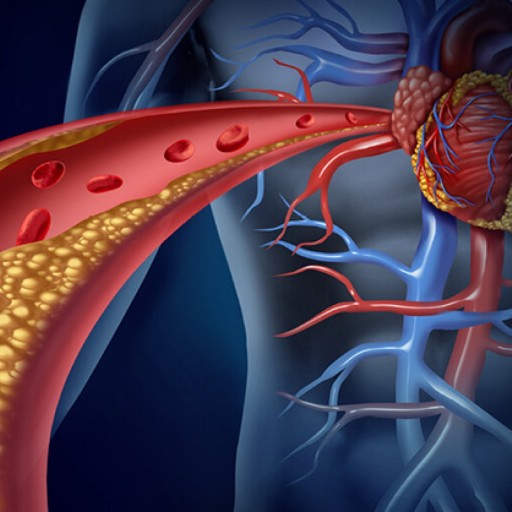
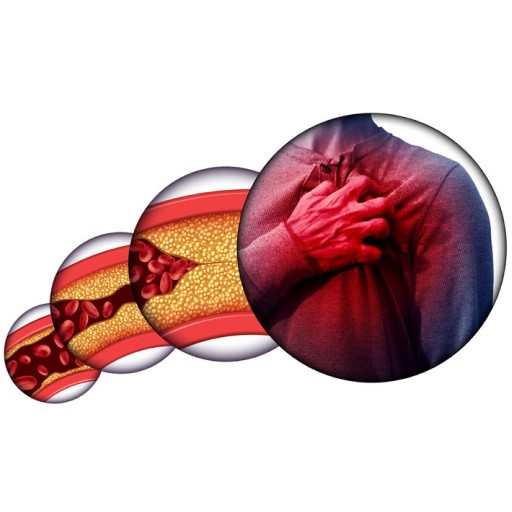
It participates in the formation of cell membranes and is an important raw material for the synthesis of hormones and vitamin D. But once it is excessive, it will accumulate in blood vessels, forming atherosclerosis, which will lead to fatal diseases such as heart disease and stroke.
Cholesterol is mainly divided into two categories: low-density lipoprotein cholesterol (LDL-C, commonly known as "bad cholesterol") and high-density lipoprotein cholesterol (HDL-C, commonly known as "good cholesterol").
The former is like a truck full of fat, running rampant in the blood vessels, while the latter is like a cleaner, helping to remove fat accumulation in the blood vessels. The key to health is to maintain a balance between the two, rather than completely eliminating cholesterol.
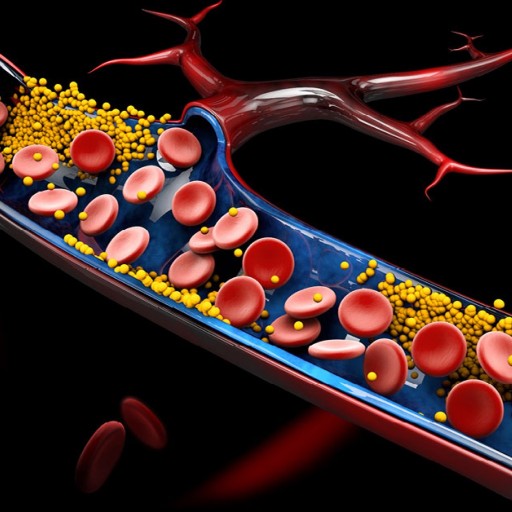
Asians and Europeans: Whose cholesterol is more dangerous?
① Innate genetic differences: Europeans and Americans are more likely to have "excessive cholesterol"
The physique of Europeans and Americans is naturally more likely to accumulate high cholesterol. Studies have shown that white people in Europe and North America generally carry genes that affect cholesterol metabolism, resulting in relatively high cholesterol levels.
For example, the APOE4 gene carrier rate is higher in Europeans and Americans, and it is one of the "culprits" that cause abnormally high cholesterol.
On the contrary, Asians have relatively good cholesterol metabolism and slightly lower risks at the genetic level. Therefore, from a genetic point of view, Europeans and Americans seem to be more susceptible to cholesterol problems.
② Eating habits: Is the traditional diet of Asians healthier?
The eating habits of Europeans and Americans are undoubtedly a major driver of "high cholesterol". High-fat and high-calorie Western fast food, red meat, cheese, and butter are all culprits for the surge in cholesterol. Data show that nearly 40% of adults in the United States suffer from high cholesterol problems, and the proportion in some European countries is even higher.
In contrast, the traditional diet of Asians is relatively healthy. Taking Japan and China as examples, the diet is mainly composed of fish, soy products, vegetables, and whole grains. These foods are not only low in cholesterol, but also help lower cholesterol levels. For example, isoflavones in soybeans and tea polyphenols in tea can help lower bad cholesterol.
However, in recent decades, as Asians have become more accepting of Western diets, the intake of high-cholesterol foods has also increased. Especially in China, the large intake of fast food, milk tea, desserts and other foods has made the cholesterol levels of some people catch up with or even exceed those of Europeans and Americans.
③ Lifestyle: Are Asians really healthier?
Although Europeans and Americans eat greasy food, they are more active in sports. Sports culture is very popular in European and American countries, and many people have developed exercise habits since childhood, which helps to increase the level of good cholesterol and reduce the harm of bad cholesterol.
In contrast, although Asians have a relatively healthy diet, their exercise habits are generally poor. Especially in modern society, many Asians are used to sitting for a long time, staying up late, and being under great pressure, which can lead to abnormal cholesterol metabolism.
Even if the diet is light, lack of exercise may still lead to cholesterol problems and even increase the risk of cardiovascular disease.
How big is the difference between cholesterol levels in men and women?
You may think that cholesterol levels are mainly affected by diet and exercise, but the truth is far more than that. From a medical research point of view, the difference in cholesterol levels between men and women is significant, and even at different ages, the performance is completely different.
① When you are young: women win, men are more likely to be affected!
In the young stage (before the age of 40), men are more likely to have high cholesterol than women. This is mainly because men have higher levels of testosterone in their bodies, which promotes the production of low-density lipoprotein (LDL, bad cholesterol) and inhibits the level of high-density lipoprotein (HDL, good cholesterol).
At the same time, estrogen in women plays a protective role. Estrogen can increase the level of good cholesterol (HDL) while lowering bad cholesterol (LDL), making blood vessels healthier. Therefore, before the age of 40, most women have more stable cholesterol levels than men, and are at lower risk of hyperlipidemia and cardiovascular disease.
② Middle age: Role reversal, women catch up!
However, after the age of 40, especially when entering menopause (around 50 years old), the situation has reversed dramatically! Women's estrogen levels drop sharply, losing their protective effect on cholesterol, causing cholesterol levels to rise rapidly.
At this time, many women's bad cholesterol (LDL) begins to soar, while good cholesterol (HDL) drops, and the risk of cardiovascular disease rises sharply, even exceeding that of men of the same age.
At the same time, although men's testosterone levels are declining, because their cholesterol metabolism system has adapted, the overall change is slower than that of women.
Therefore, women after menopause are more likely to have elevated cholesterol than men of the same age, which is also an important reason why the incidence of cardiovascular disease in elderly women increases.
③ Elderly stage: Women are at higher risk of high cholesterol!
After entering the age of 60, women's cholesterol levels tend to be higher than men. Data show that women over 70 are more likely to suffer from hypercholesterolemia than men, and this phenomenon is closely related to factors such as the continued decline of estrogen, weakened metabolic capacity, and weight gain.
In addition, elderly women usually have less dietary control and exercise than men, which further increases the risk of elevated cholesterol.
Who is the "number one victim" of cholesterol?
Overall, Europeans and Americans are more likely to have high cholesterol, and with a high-fat diet, the incidence of cardiovascular disease is higher than that of Asians.
However, the cholesterol problem of Asians is also rising rapidly, especially with the westernization of diet, reduced exercise, and increased life pressure, cholesterol is becoming an invisible killer for more and more Asians.
From the data, the prevalence of high cholesterol in European and American countries is still higher than that in Asia, but the growth rate in Asia is faster. For example, the number of people with high cholesterol in Japan and South Korea has increased by nearly 30% in the past 20 years, and the cholesterol level of urban residents in China is also rising rapidly.
How to stay away from the "cholesterol killer"?
Whether Asians or Europeans and Americans, they should not take it lightly. The following suggestions can help you control cholesterol and reduce cardiovascular risks:
Adjust your diet: reduce the intake of red meat, dairy products, and fried foods, and increase the proportion of fish, soy products, vegetables, and nuts.
Increase exercise: do at least 150 minutes of moderate-intensity exercise (such as brisk walking, running, swimming, etc.) per week.
Quit smoking and limit alcohol: tobacco will lower good cholesterol, while alcohol may cause abnormal blood lipids.
Regular physical examination: People over 30 should check their cholesterol levels at least once a year to detect problems early.
Reduce stress and ensure sleep: Anxiety and insomnia can affect cholesterol metabolism, so you should develop healthy habits.
Conclusion: Who has a more serious cholesterol problem?
Due to the dual effects of genes and diet, Europeans and Americans generally have higher cholesterol levels, but their exercise habits have alleviated the problem to a certain extent. Although Asians have stronger genetic advantages, their cholesterol problems are becoming more and more serious as their diet becomes more westernized and their exercise decreases.
It can be said that cholesterol has become a global problem, not just a "privilege" for Europeans and Americans. If they do not change their unhealthy lifestyles, Asians may one day surpass Europeans and Americans and become the new "hardest hit area" of the cholesterol crisis.
Are you also surprised by this difference? Hurry up and share this information with your family and friends so that they can also understand the secrets of cholesterol! So, whether you are Asian or European, start taking action today and stay away from this "invisible killer"!
 1
1 1
1OTHER NEWS
-
- Hydroponic plants, gardening tips
- By LH 02 Apr,2025
-
- Here’s a complete guide on what you should prepare before planting your seeds.
- By Prodosh Kundu 18 Jul,2024
-
- Growing For The Planet: How Sustainable Gardening Practices Can Help To Mitigate Climate Change
- By Prodosh Kundu 28 Oct,2024

-
- What are the most ugly plants in the gardening world?
- By LH 09 Apr,2025

-
- Is the smell of mowing the grass a distress signal from plants?
- By LH 21 Feb,2025

-
- The natural choice for indoor air purification five high-quality greenery recommendations
- By YL 14 Mar,2025

-
- How to Choose the Best Lawn and Landscaping Services for Your Home
- By Prodosh Kundu 28 Aug,2024

-
- How do you control pests and diseases in your garden
- By YL 12 Mar,2025

-
- Planting Tips: Best Indoor Plants Recommendations and Care Guide
- By MTH 18 Feb,2025

-
- Have you ever seen a magical plant that can grow by drinking air?
- By LH 14 Mar,2025
-
- Spring is here! Give Your Garden a New Look with These Gardening Tips
- By MTH 20 Feb,2025

-
- How terrible are carnivorous plants?
- By LH 12 Mar,2025