Key Ways to Guard the Brain Health of Older Adults!
The brain health of older adults is receiving increased attention in the United States. As they age, seniors are at risk for a variety of brain disorders, such as Alzheimer's disease, stroke and Parkinson's disease.
Not only do these diseases affect their memory and thinking skills, but they can also be disruptive to daily life. Therefore, understanding the prevention and treatment of these diseases is vital to keeping seniors healthy.
Common Brain Diseases
Common brain diseases in older adults include Alzheimer's disease, stroke and Parkinson's disease. Alzheimer's disease is a progressive disease, and early symptoms may be mild memory loss; over time, patients may experience disorientation and speech impairment.
Strokes, on the other hand, are caused by a blockage of blood flow to the brain, resulting in damage to brain cells, and are usually characterized by speech difficulties, facial droop, and weakness in the arms and legs.
Parkinson's disease mainly affects movement and sufferers may experience tremors and muscle stiffness which can affect their daily activities. Not only do these diseases affect physical health, they can also lead to psychological problems such as depression and anxiety.
Preventive measures
While brain disorders cannot be avoided completely, adopting a healthy lifestyle can be effective in reducing the risk. First and foremost, a balanced diet is key.
Older adults should eat more foods rich in antioxidants and Omega-3 fatty acids, such as deep-sea fish, nuts, fresh fruits and green leafy vegetables. These foods protect brain cells and slow down the aging process. Studies have shown that the Mediterranean diet is particularly good for brain health.
Next, regular exercise is important. Moderate exercise helps to improve blood circulation and enhance cardiovascular health, which is essential for brain health.
Seniors can choose a form of exercise that works for them, such as walking, swimming or taking a relaxing yoga class. 150 minutes of moderate-intensity exercise per week can help improve stamina and endurance.
Socializing and Mental Exercise
Socialization is also very important for the mental health of seniors. Interacting with family and friends keeps seniors in a positive frame of mind. Participating in community activities, volunteer services or interest groups can enhance their sense of belonging and self-confidence.
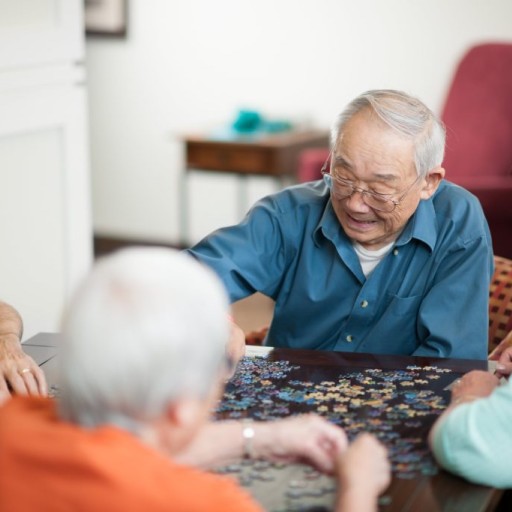
Meanwhile, mental exercise should not be neglected. Older people can exercise their brains and keep their minds agile through activities such as puzzles, board games, reading and learning new skills. These activities are not only fun, but also promote creativity.

Timely diagnosis and treatment
Early diagnosis and treatment of brain disorders is very important. Older adults should see a doctor as soon as possible if they experience symptoms such as memory loss, speech difficulties or mobility problems.
Regular medical checkups can help detect potential problems, especially cardiovascular health screenings, as cardiovascular disease is closely linked to brain health. Your doctor may prescribe medications to help control symptoms, especially for Alzheimer's disease and stroke patients.
In addition, rehabilitation is important in stroke recovery, as physical therapy and speech therapy can help patients gradually regain the ability to perform daily activities.
Family support and care
Family and community support is crucial for older adults with brain diseases. Family members should give understanding and care to the elderly, listen patiently to their needs, and help them adapt to the changes in their lives.
Providing a warm home environment can greatly improve the quality of life of older people. In some cases, older persons may need the help of professional caregivers, and nursing homes or assisted living communities can provide appropriate care and socialization.
Additionally, communicating regularly with seniors and paying attention to their emotions can help alleviate anxiety and loneliness.

Enhancing Quality of Life
Enhancing the quality of life for seniors is not only about brain health, but also an important way to improve their sense of well-being. Encouraging seniors to engage in activities that interest them, such as crafts, gardening, or music, can inspire creativity and add enjoyment to their lives.
Helping seniors set small goals, whether it's learning something new or accomplishing a new skill, can help them feel a sense of accomplishment. In addition, maintaining a safe and comfortable living environment and eliminating potential safety hazards is an important step in protecting the physical and mental health of older adults.
In conclusion, brain health for seniors is a complex and important topic. Although brain disorders may have a significant impact on the lives of older adults, through a healthy lifestyle, timely treatment and a good support system, we can help older adults maintain a healthy brain.
Through active lifestyles, professional medical support, and caring families, we can create a healthier, happier future for seniors.
 1
1 1
1OTHER NEWS
-
- Planting Tips: Best Indoor Plants Recommendations and Care Guide
- By MTH 18 Feb,2025

-
- The Five Best Flowers for Newbies to Keep Alive
- By MTH 14 Mar,2025

-
- 15 kinds of flowers suitable for summer
- By LH 31 Mar,2025

-
- Growing For The Planet: How Sustainable Gardening Practices Can Help To Mitigate Climate Change
- By Prodosh Kundu 28 Oct,2024
-
- Is the smell of mowing the grass a distress signal from plants?
- By LH 21 Feb,2025
-
- Here’s a complete guide on what you should prepare before planting your seeds.
- By Prodosh Kundu 18 Jul,2024

-
- How Organic Gardening Supplies Can Transform Your Garden And The Environment?
- By Prodosh Kundu 28 Oct,2024

-
- Vigilance! Keeping these kinds of plants indoors may harm your health
- By ZYY 09 Apr,2025
-
- How terrible are carnivorous plants?
- By LH 12 Mar,2025

-
- How to Choose the Best Lawn and Landscaping Services for Your Home
- By Prodosh Kundu 28 Aug,2024

-
- Sustainable Gardening Starts With Organic Supplies
- By Prodosh Kundu 28 Oct,2024

-
- How do you control pests and diseases in your garden
- By YL 12 Mar,2025