Ways to Relieve Arthritis Pain in Older Adults
Arthritis is a common chronic disease that causes a lot of inconvenience in the daily lives of many older people, with arthritis accounting for the vast majority of people over the age of 60.
Arthritis can bring about symptoms such as joint stiffness, pain and limited mobility, which can affect the quality of daily life. However, with scientific treatments and effective lifestyle management, it can help relieve pain and improve the lives of older adults.
1. Understanding Arthritis
Arthritis is a disease characterized by joint inflammation, pain, swelling and dysfunction. Common types of arthritis include osteoarthritis, rheumatoid arthritis and gouty arthritis.
The causes of arthritis are complex and may be related to factors such as genetics, age, obesity, and joint damage. Arthritis is one of the leading causes of disability in the United States.
2. Medication
Medication is one of the most important means of relieving arthritis pain. Doctors will recommend different types of medications based on the patient's specific symptoms and needs:
Over-the-counter medications: Non-steroidal anti-inflammatory drugs (NSAIDs) such as aspirin and ibuprofen are effective in relieving mild to moderate arthritis pain. These medications can be purchased at the recommendation of your doctor and are used for short-term pain relief.
Prescription medications: For older patients with more severe or persistent pain, doctors may prescribe stronger prescription medications such as more potent NSAIDs or anti-rheumatic drugs (DMARDs) such as methotrexate to reduce the inflammatory response in the joints.
In addition, biologics such as adalimumab and etanercept are used to help control rheumatoid arthritis.
Topical analgesic creams and gels: these topical products can be applied directly to painful joints to help relieve localized pain. Many older Americans choose these creams because they have fewer side effects and are easier to administer.
Injection therapy: For severe pain that is not fully relieved by medications, some doctors recommend corticosteroid injections or hyaluronic acid injections, which work directly on the joint to relieve pain and inflammation. These injection treatments work faster, but need to be done under a doctor's supervision.
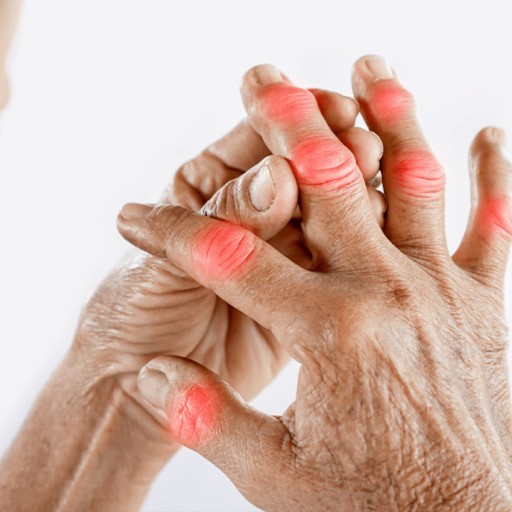
3. Physical Therapy and Exercise Rehabilitation
Physical therapy is a very effective means of relieving arthritis pain and is widely used in the elderly population. Physiotherapists will design a suitable exercise program for the patient's condition to help strengthen muscles, reduce joint burden and increase flexibility.
Low-impact aerobic exercises: such as swimming, bicycling, and brisk walking can effectively improve cardiorespiratory fitness in older adults without adding too much stress to the joints. Many rehabilitation centers or senior community centers in the U.S. provide equipment such as swimming pools and bicycles to make it easy for seniors to participate in exercise.
Stretching exercises and stretching: Stretching exercises help relieve joint stiffness and increase flexibility. Physical therapists will often instruct older adults to perform regular stretching exercises to prevent joints from becoming too stiff, thus reducing pain.
Strength training: Proper strength training can strengthen the surrounding muscles and reduce the burden on the joints. For example, using tools such as light dumbbells and elastic bands, older adults can perform moderate muscle strength training to improve joint stability.
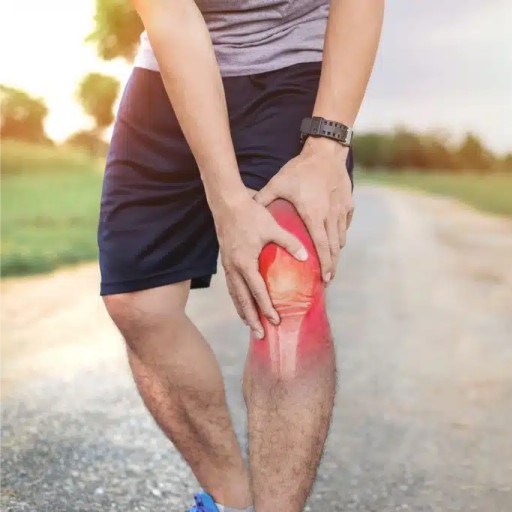
4. Healthy diet and supplements
A healthy diet can also have a positive impact on arthritis pain relief. Numerous studies have shown that certain anti-inflammatory foods and nutritional supplements can help reduce joint inflammation and relieve painful symptoms.
Foods rich in Omega-3 fatty acids: such as salmon, sardines, and flaxseed. omega-3 fatty acids have anti-inflammatory properties that can help reduce joint inflammation and therefore pain.
High-fiber foods: Eating more vegetables, fruits, and whole grains to increase dietary fiber intake can help control weight and reduce inflammation. Weight control is essential to relieve joint stress.
Supplement with Vitamin D and Calcium: Vitamin D contributes to bone health, while calcium helps maintain bone density and prevent osteoporosis. Older adults are often deficient in vitamin D, so it's important to supplement these nutrients in your diet.
Antioxidants: Vitamin C, vitamin E, and antioxidant foods such as beta-carotene, such as berry fruits, oranges, and carrots can help fight free radicals in the body, thereby reducing inflammation.
In addition, some older adults opt for dietary supplements such as fish oil, curcumin, glucosamine and chondroitin, which may be helpful in relieving arthritis pain, but need to be used under a doctor's supervision to avoid unwanted side effects.

5. Weight management
For older adults, maintaining a healthy weight can significantly reduce the burden on joints. Obesity increases stress on joints, especially knees, hips and ankles, which can easily lead to joint injuries. Therefore, weight control not only relieves joint inflammation, but also slows down the progression of the disease.
Dietary management: A balanced diet that controls calorie intake and reduces sugar and refined carbohydrates can effectively help older people lose weight. In addition, try to avoid fried foods and high-sugar snacks, which can aggravate inflammation.
Moderate Exercise: Moderate aerobic exercise and strength training can help older adults maintain a healthy weight. Low-impact exercise, in particular, not only burns calories but also strengthens the body.
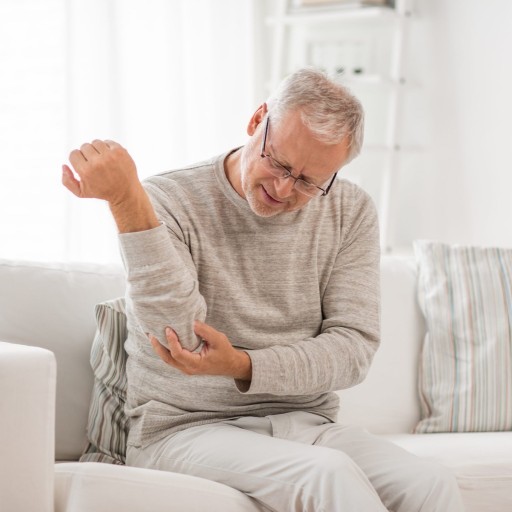
6. Hot and cold compresses
Hot and cold packs are simple but effective pain relievers. Older people usually combine these two methods to help relieve different stages of joint inflammation and pain.
Hot compresses: Hot compresses increase blood circulation, help relax muscles and relieve pain. Using a hot water bag or heating pad on the painful joint for 15-20 minutes at a time can bring significant relief.
Cold compresses: Cold compresses can reduce the inflammatory response during an acute attack. Cold compresses can help relieve swelling and acute pain by applying an ice pack or cold towel to the affected area for about 10-15 minutes.
7. Mental health support and stress reduction methods
Mental health and stress management also play a positive role in arthritis pain relief. Studies have shown that negative emotions such as emotional tension and anxiety may exacerbate arthritis symptoms. An increasing number of people in the older adult population are seeking mental health support to help relieve stress.
Counseling and support groups: Counseling can help older adults better manage their emotions, which can reduce the discomfort of pain. Many communities and hospitals also offer support groups where older adults can share experiences and feelings with other arthritis sufferers for emotional support.
Meditation and mindfulness exercises: Relaxation exercises such as meditation and deep breathing can help relieve stress and calm the mind. Positive thinking exercises are especially popular among older Americans. By focusing on the present moment, they can reduce the focus on pain and relieve anxiety.
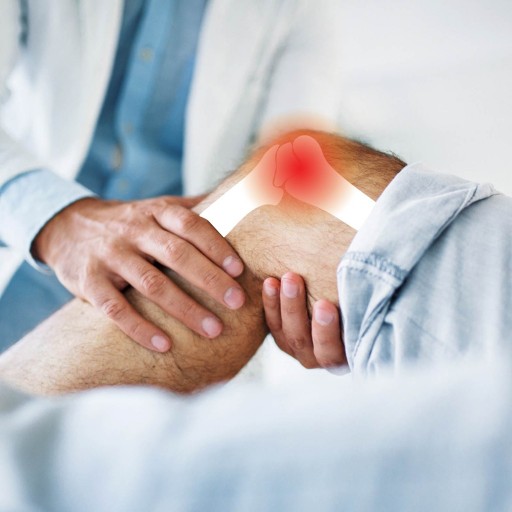
8. Lifestyle modifications
Finally, lifestyle modifications are also important for arthritis pain relief. Many older adults make the following adjustments in their lives:
Use of assistive devices: Assistive devices such as canes, walkers, knee pads, etc. can reduce stress on the joints and improve the safety and comfort of daily activities.
Regulate routine: Maintaining a regular routine and getting enough sleep helps the body repair and recover.
Avoid prolonged periods of static: Keep your activities regular and avoid sitting or standing for long periods of time. Moving your joints at regular intervals can help reduce stiffness and discomfort.
Arthritis is a common health problem in older adults, but with medication, physical therapy, dietary management, mental health support, and appropriate lifestyle modifications, older adults can achieve significant relief from arthritis pain and improved quality of life. Older adults often use a combination of approaches to gradually manage pain and increase joint flexibility and strength. It is hoped that these approaches will bring health and comfort to more older adults.
 1
1 1
1OTHER NEWS
-
- Have you ever seen a magical plant that can grow by drinking air?
- By LH 14 Mar,2025
-
- The natural choice for indoor air purification five high-quality greenery recommendations
- By YL 14 Mar,2025

-
- Spring is here! Give Your Garden a New Look with These Gardening Tips
- By MTH 20 Feb,2025

-
- Is the smell of mowing the grass a distress signal from plants?
- By LH 21 Feb,2025
-
- How do you control pests and diseases in your garden
- By YL 12 Mar,2025
-
- Planting Tips: Best Indoor Plants Recommendations and Care Guide
- By MTH 18 Feb,2025

-
- 15 kinds of flowers suitable for summer
- By LH 31 Mar,2025

-
- Here’s a complete guide on what you should prepare before planting your seeds.
- By Prodosh Kundu 18 Jul,2024
-
- Do you know these secrets of plants?
- By LH 18 Feb,2025

-
- How Organic Gardening Supplies Can Transform Your Garden And The Environment?
- By Prodosh Kundu 28 Oct,2024

-
- What are the most ugly plants in the gardening world?
- By LH 09 Apr,2025

-
- Sustainable Gardening Starts With Organic Supplies
- By Prodosh Kundu 28 Oct,2024