New Vitality for Older Adults: Tips for Reversing the Aging Trend
Aging is a complex biological process that involves a gradual decline in the function of various body systems. For older adults, this may manifest itself in the form of decreased muscle strength, reduced joint flexibility, weakened cardiovascular function, cognitive decline, and altered psychological states.
However, modern scientific research has brought us a ray of hope, allowing us to realize that aging is not a completely irreversible one-way process.
Scientific Diet: The Cornerstone of Reversing Aging
1. Eat more nutrient-rich foods
The diet of the elderly should focus on nutrient density. High-quality protein is the key. Chicken and fish are rich in easily absorbed protein, which helps maintain muscle mass. Meanwhile, plant protein sources such as tofu and soybeans should not be overlooked.
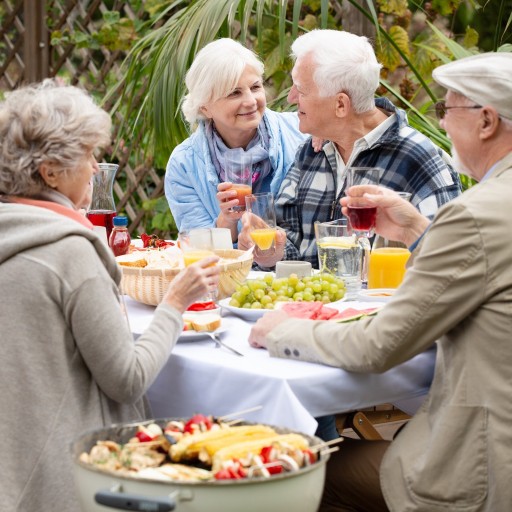
In addition, colorful vegetables and fruits are nature's treasure, rich in vitamins, minerals and antioxidants. For example, orange carrots are rich in beta-carotene and purple grapes are rich in anthocyanins, which are antioxidants that can neutralize free radicals, reduce cellular damage and slow down aging.
2. Supplement with specific anti-aging nutrients
Certain specific nutrients have a unique role to play in the fight against aging. For example, omega-3 fatty acids, commonly found in deep-sea fish oils, have anti-inflammatory properties that protect cardiovascular health and brain function.
Coenzyme Q10, which plays a key role in cellular energy production, declines in the body with age, and supplementation may help improve heart function and reduce oxidative stress. Vitamin D is essential for bone health.
Elderly people tend to be deficient in vitamin D due to reduced sunlight exposure, etc. Bone strength can be maintained through proper sun exposure and dietary supplementation (e.g. fortified milk, fish oil, etc.).
3. Control calories and dietary patterns
Controlling calorie intake is important for prolonging life and maintaining health. Studies have shown that moderate calorie restriction can activate the body's self-repair mechanism. Elderly people can eat smaller meals to avoid overloading the digestive system with too much food at one time.
At the same time, it is important to eat a light diet and reduce the intake of foods high in salt, sugar and fat, which may trigger problems such as high blood pressure, diabetes and obesity, and accelerate the aging process.
Exercise: the source of vigor
1. Regular Exercise: Strengthening Muscles and Bones
Exercise is essential for maintaining good health. As we age, the elderly are prone to problems such as osteoporosis and muscle atrophy. Through regular exercise, bone density can be strengthened, muscle loss slowed down and cardiovascular health improved.
Aerobic Exercise: such as walking, jogging, swimming, cycling, etc. These exercises can effectively enhance heart function, improve endurance and increase blood circulation.
Strength training: including weight lifting, elastic band training, push-ups and so on. Strength training can stimulate muscle growth, prevent muscle loss and enhance bone density.
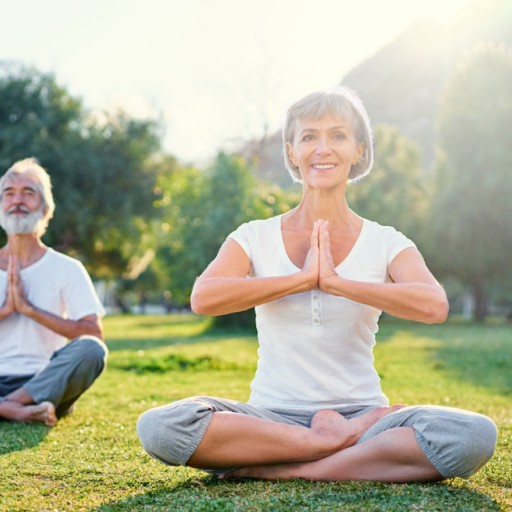
Flexibility training: such as yoga and Tai Chi can enhance joint flexibility, prevent falls and improve balance.
2、Exercise in moderation: Avoid over-exertion
When exercising, the elderly should choose the appropriate exercise mode according to their physical condition and ability. Over-exertion may lead to joint injuries and over-burdening of the heart, so it is important to exercise moderately and regularly. A minimum of 150 minutes of moderate-intensity aerobic exercise per week, combined with strength training and flexibility training, is recommended.
Mental Health: Chicken Soup for the Soul to Slow Down Aging
1. Positive Mental Suggestion and Emotion Management
A positive mindset has a profound effect on the health of the elderly. Self-mental cues are important. Older people should learn to look at changes in their lives with an optimistic attitude.
For example, in the face of declining physical functions, it is important to view them as part of the natural process of life and actively seek ways to improve them. Emotion management is also indispensable.
When encountering frustration or unpleasant things, one can alleviate negative emotions and maintain psychological balance by deep breathing and shifting attention.
2. Socialization and psychological satisfaction
Socializing is an important way for the elderly to maintain their mental health. Communication and interaction with family and friends can bring emotional support and satisfaction to the elderly.
Participating in activities organized by the community, senior clubs or volunteer services can enable the elderly to expand their social circle, make new friends and enrich their lives.
In the process of socializing, older people can share their experience and wisdom, and at the same time gain new information and enjoyment from others, thus enhancing their sense of self-worth and reducing loneliness and depression.
3. Continuous learning and brain exercise
Continuously learning new things can stimulate the brain and prevent cognitive decline. Older people can learn a new language, a new craft or study a new subject. Reading is also a good way to exercise the brain, as it broadens knowledge and improves thinking skills.
In addition, playing some intellectual games, such as chess, checkers, riddles, etc., can help improve the brain's reaction speed and logical thinking ability, and keep the brain active.
Good habits, help anti-aging
1. Regular work and rest: Maintaining a regular work and rest schedule will help the normal operation of all body functions.
2. Sufficient sleep: Ensure 7-8 hours of sleep per day to help the body recover and improve immunity.
3. Abstain from smoking and alcohol: Abstaining from smoking and alcohol helps to reduce the risk of disease and improve the quality of life.
4. Regular medical checkups: Regular medical checkups can help detect and treat diseases in time.
Aging is not the end, but a process that can be actively faced and managed. Older people can reverse the aging trend and maintain physical and mental health and vitality through scientific diet, moderate exercise and positive psychological adjustment.
Lifestyle changes can not only improve the physical condition of the elderly and enhance their quality of life, but also inspire their enthusiasm and hope for life.
In this era of rapid development, everyone should realize that vitality is not limited by age and that true youth is a combination of mindset and lifestyle. It is hoped that every senior citizen can live a longer, healthier and more fulfilling life through continuous learning, active exercise, healthy diet and maintaining a happy mindset.
 1
1 1
1OTHER NEWS
-
- Hydroponic plants, gardening tips
- By LH 02 Apr,2025
-
- Here’s a complete guide on what you should prepare before planting your seeds.
- By Prodosh Kundu 18 Jul,2024
-
- Growing For The Planet: How Sustainable Gardening Practices Can Help To Mitigate Climate Change
- By Prodosh Kundu 28 Oct,2024
-
- What are the most ugly plants in the gardening world?
- By LH 09 Apr,2025

-
- Is the smell of mowing the grass a distress signal from plants?
- By LH 21 Feb,2025
-
- The natural choice for indoor air purification five high-quality greenery recommendations
- By YL 14 Mar,2025
-
- How to Choose the Best Lawn and Landscaping Services for Your Home
- By Prodosh Kundu 28 Aug,2024
-
- How do you control pests and diseases in your garden
- By YL 12 Mar,2025
-
- Planting Tips: Best Indoor Plants Recommendations and Care Guide
- By MTH 18 Feb,2025

-
- Have you ever seen a magical plant that can grow by drinking air?
- By LH 14 Mar,2025
-
- Spring is here! Give Your Garden a New Look with These Gardening Tips
- By MTH 20 Feb,2025

-
- How terrible are carnivorous plants?
- By LH 12 Mar,2025