The secret to maintaining healthy skin through skincare
Skin is the largest organ in the human body. Healthy skin can not only show personal charm, but also reflect physical health. Due to the influence of climate, environment, living habits and other factors, skin problems emerge in an endless stream. How to keep skin healthy has become the focus of many people.
1. Understand the structure of the skin and grasp the key to skin care
The skin is divided into three layers: epidermis, dermis and subcutaneous tissue. The epidermis has a protective effect and is mainly composed of the stratum corneum, stratum granulosum, stratum spinosum and stratum basale.
The dermis contains a large amount of collagen and elastic fibers, which are responsible for the elasticity and firmness of the skin. The subcutaneous tissue plays a buffering and warming role.
To keep the skin healthy, you need to start from the following aspects:
Maintain skin moisture balance: Adequate skin moisture is the basis for maintaining health. The climate in the United States is dry, especially in winter, the skin is prone to dehydration. Using skin care products with moisturizing functions, such as moisturizers, masks, etc., helps maintain skin moisture.
Maintain skin barrier function: The skin barrier can effectively resist the invasion of harmful substances from the outside world. Keep the skin clean and avoid excessive cleaning that causes damage to the skin barrier.
Antioxidant: Antioxidant ingredients can remove free radicals and prevent skin aging. Common antioxidant ingredients include vitamin C, vitamin E, polyphenols, etc.
Promote collagen production: Collagen is the key to maintaining skin elasticity. By using skin care products containing collagen, or consuming foods rich in collagen, it helps to keep the skin firm.
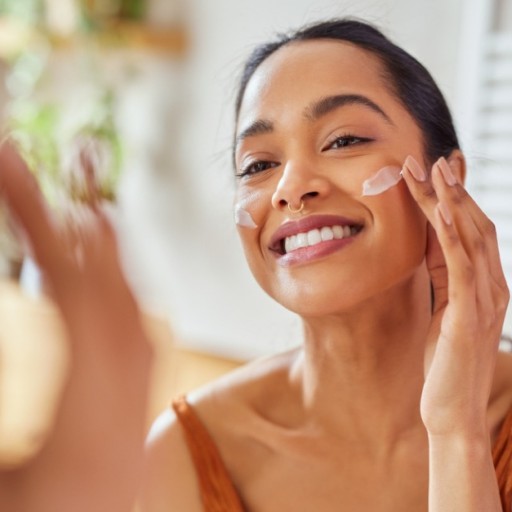
2. Skin care methods recommended by dermatologists
Cleansing: Use a mild cleansing product to clean your face every morning and evening to remove excess oil, dirt and makeup residue. Avoid using cleansing products with strong alkalinity to avoid damaging the skin barrier.
Moisturizing: Choose a suitable moisturizing product according to your skin type. Dry skin can choose a moisturizer with a high oil content, and oily skin can choose a refreshing moisturizing lotion.
Sun protection: The United States has plenty of sunshine and strong ultraviolet rays. Apply sunscreen before going out to avoid prolonged exposure to the sun. Ultraviolet rays not only cause sunburn, but also accelerate skin aging.
Exfoliation: Proper exfoliation helps promote skin metabolism and make the skin smoother. However, excessive exfoliation can damage the skin barrier, and it is recommended to do it 1-2 times a week.
Diet: Maintain a balanced diet and consume enough protein, vitamins and minerals. Eating more fresh fruits, vegetables, nuts and other antioxidant foods can help keep your skin healthy.
Sleep: Ensuring adequate sleep helps repair and regenerate the skin. Avoid staying up late and maintain a good work and rest habit.
Exercise: Appropriate exercise promotes blood circulation and improves skin metabolism. When exercising, pay attention to replenishing water to avoid dry skin.
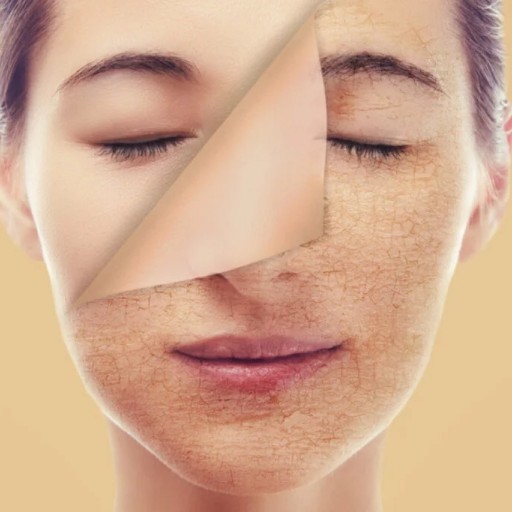
3. Skin care strategies for different skin problems
Acne: Keep your skin clean and avoid squeezing acne. Using skin care products containing ingredients such as salicylic acid and fruit acid can help unclog pores and relieve acne symptoms.
Spots: Use skin care products containing whitening ingredients, such as vitamin C, arbutin, etc. At the same time, pay attention to sun protection to avoid aggravation of spots.
Red blood: Use skin care products with soothing and repairing effects, such as products containing ingredients such as ceramide and squalane. Avoid excessive cleaning to reduce skin irritation.
Wrinkles: Use skin care products containing antioxidant ingredients, such as vitamin A, vitamin C, etc. In addition, wrinkles can be improved through medical beauty methods, such as injections of hyaluronic acid and botulinum toxin.
4. Mainstream skin care methods and new technologies
Laser treatment
Laser treatment can effectively solve problems such as spots, wrinkles, acne marks, etc. Different types of laser technologies such as photorejuvenation, red and blue light therapy, and pulsed light (IPL) are very popular in beauty salons and dermatology clinics.
Laser treatment can penetrate deep into the skin layer, stimulate collagen production, and improve skin texture.

Microneedle therapy
Microneedle therapy promotes the production of collagen and elastin by creating tiny wounds on the skin, which helps improve skin texture, fade fine lines and acne marks. Many dermatologists will combine microneedle and serum treatments to further improve the effect.
Injection beauty
Injection beauty such as Botox and hyaluronic acid fillers are very common in the United States. Botox can help relax facial muscles and reduce dynamic wrinkles, while hyaluronic acid fillers are suitable for improving static wrinkles and facial contours.
Chemical peels
Chemical peels are a treatment method that removes the epidermis or dermis with chemical solvents, which can effectively improve skin roughness, dullness, and fine lines. Common chemical peel ingredients include fruit acid, lactic acid and salicylic acid, and the effects vary significantly depending on the concentration.
Thermage
Thermage is a non-invasive skin tightening technology that heats deep skin tissue through radio frequency to promote collagen regeneration. Thermage can achieve skin tightening effects without invasiveness and is suitable for the care of loose skin on the face and neck.
5. Prevention and treatment of skin diseases
Common skin diseases
Acne is a common skin disease, especially among adolescents and young adults. It is mainly caused by vigorous secretion of sebaceous glands, clogged hair follicles and bacterial infection.
Eczema is also a common skin disease characterized by itchy, red, swollen and dry skin, which is usually related to genetics, allergies and environmental factors. In addition, the incidence of skin cancer in the United States is also high, mainly due to long-term exposure to ultraviolet rays.
Preventive measures
For the prevention of acne, keeping the skin clean, avoiding excessive touching of the face, eating a balanced diet and controlling stress are all effective methods. To prevent eczema, you need to avoid contact with allergens, keep the skin moisturized and avoid excessive cleaning.
The most important measure to prevent skin cancer is to do a good job of sun protection and conduct regular skin checks.
Treatment methods
For the treatment of acne, topical medications such as retinoids, antibiotics, etc. can be used depending on the severity of the condition. In severe cases, oral medications may be required.
The treatment of eczema usually includes the use of topical glucocorticoids, moisturizers, etc. The treatment of skin cancer uses surgery, radiotherapy, chemotherapy, etc. depending on the type and stage of cancer.
Maintaining healthy skin is not a matter of one day or one night. We need to develop good skin care habits in our daily lives. Master the correct skin care methods and choose the right skin care products to have healthy and beautiful skin.
 1
1 1
1OTHER NEWS
-
- Hydroponic plants, gardening tips
- By LH 02 Apr,2025

-
- Here’s a complete guide on what you should prepare before planting your seeds.
- By Prodosh Kundu 18 Jul,2024

-
- Growing For The Planet: How Sustainable Gardening Practices Can Help To Mitigate Climate Change
- By Prodosh Kundu 28 Oct,2024

-
- What are the most ugly plants in the gardening world?
- By LH 09 Apr,2025

-
- Is the smell of mowing the grass a distress signal from plants?
- By LH 21 Feb,2025

-
- The natural choice for indoor air purification five high-quality greenery recommendations
- By YL 14 Mar,2025

-
- How to Choose the Best Lawn and Landscaping Services for Your Home
- By Prodosh Kundu 28 Aug,2024

-
- How do you control pests and diseases in your garden
- By YL 12 Mar,2025

-
- Planting Tips: Best Indoor Plants Recommendations and Care Guide
- By MTH 18 Feb,2025

-
- Have you ever seen a magical plant that can grow by drinking air?
- By LH 14 Mar,2025

-
- Spring is here! Give Your Garden a New Look with These Gardening Tips
- By MTH 20 Feb,2025

-
- How terrible are carnivorous plants?
- By LH 12 Mar,2025