How to solve the problem of oily face Skin care tips for effective oil control
In daily life, many people are often troubled by the oily face, especially in the hot summer or after exercise, the T-zone and around the nose are more likely to produce oil. Oily face not only affects the appearance, but also easily leads to clogged pores, which in turn induces skin problems such as blackheads and acne.
For people with oily skin, how to scientifically and effectively control oil has become a key issue in daily skin care.
Causes of oily skin
Before starting to explore oil control methods, it is very important to first understand why the skin produces oil. The secretion of skin oil is affected by many factors, including:
1. Sebaceous gland activity
People with oily skin have more active sebaceous glands and more sebum secretion. The skin barrier of this group of people is thicker, and oil production becomes a natural phenomenon.
2. Hormonal influence
Hormone levels have a direct impact on the activity of sebaceous glands, especially during puberty, menstruation, pregnancy or when life is stressful, the secretion of androgens in the body increases, which will promote the activity of sebaceous glands, thereby increasing oil secretion.
3. Environmental factors
Hot and humid environments can easily accelerate the secretion of skin oil. When the temperature and humidity are high, the skin tends to become greasy, while a cold and dry environment may cause the skin to be in a state of water-oil imbalance.
4. Unreasonable skin care habits
Using skin care products that are over-cleansing and contain irritating ingredients will cause the skin to lose moisture too quickly. In order to protect itself, the skin will increase oil secretion, causing a vicious cycle.
5. Diet and lifestyle habits
High-sugar, high-fat and spicy foods will stimulate sebum secretion, while lack of sleep and mental stress will also affect the condition of the skin.
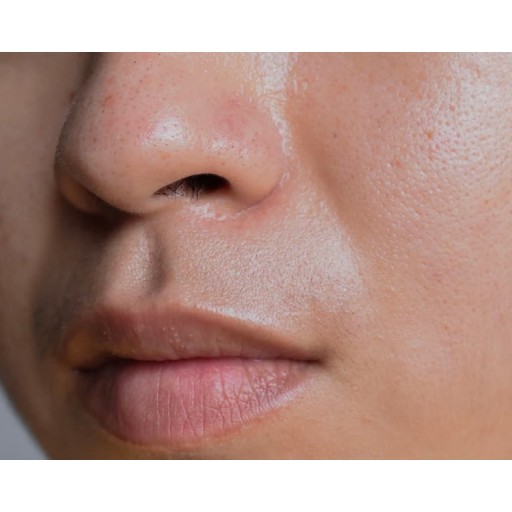
Skin care tips for effective oil control
For different reasons for oily skin, we can achieve effective oil control through scientific skin care habits and lifestyle adjustments. Here are some effective skin care tips:
1. Choose the right cleansing product
Use a mild, low-foaming cleanser to wash away excess oil and dirt to avoid damaging the skin barrier. Choose products that do not contain irritating ingredients such as soap bases and alcohol to prevent over-cleansing of the skin.
The frequency of cleansing twice a day is enough to keep the skin clean and avoid skin irritation caused by frequent face washing. Especially when washing your face in the early morning, it is recommended to wash with warm water and then use a small amount of cleansing products.
2. Use toner for secondary cleansing
Using toner containing a small amount of salicylic acid or tea tree essential oil can gently remove dead skin cells, clean pores, and balance oil secretion.
Although alcohol products can temporarily bring a refreshing effect, long-term use will damage the skin barrier, make the skin drier and increase oil secretion.
3. Use light hydrating and moisturizing products
Oily skin also needs hydration and moisturizing. It is recommended to choose water-based or gel-based products, which can lock in moisture without causing a heavy burden.
Certain oil-control ingredients (such as niacinamide and hyaluronic acid) can help balance oil secretion while moisturizing, which is suitable for oily or combination skin.
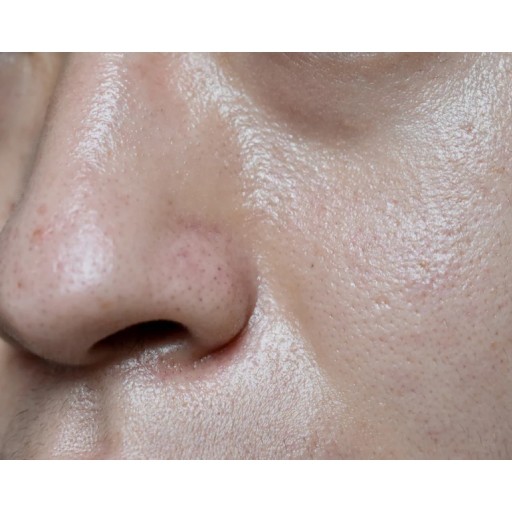
4. Choice of oil-control essence and cream
Essences containing oil-control ingredients such as niacinamide and vitamin B6 can inhibit the activity of sebaceous glands and fundamentally reduce oil problems.
Use oil-free, light-textured oil-control creams, such as gel-like products, to help lock in moisture while reducing shine.
5. Exfoliate regularly
Oily skin has a relatively thick stratum corneum, which is prone to grease and dirt accumulation. It is recommended to exfoliate 1-2 times a week. You can choose exfoliating products containing fruit acid and salicylic acid to help unclog pores and prevent the formation of blackheads and acne.
Frequent exfoliation can damage the skin barrier and cause problems such as excessive oil production, so it is appropriate to do it in moderation.
6. Control your diet and develop good living habits
A high-sugar diet can cause blood sugar fluctuations, which in turn affects sebum secretion. Increasing the amount of fruits and vegetables rich in vitamins and minerals is good for skin health.
Maintaining a good work and rest schedule helps maintain body balance and relieve oil secretion of the skin. Try to avoid staying up late and get enough sleep.
7. Tips for setting and oil absorption
When applying makeup on a daily basis, you can choose pressed powder or loose powder with oil-control ingredients to avoid oily skin after makeup.
In the case of severe oil secretion, using oil-absorbing paper can quickly absorb excess oil from the face to prevent oil from clogging the pores. It should be noted that oil-absorbing paper should not be used frequently to avoid irritating the skin.
8. Avoid frequent touching and rubbing of the skin
The bacteria and dirt on the hands are easily transferred to the facial skin, causing clogged pores and acne. Reducing touch can effectively reduce the burden on the skin.
Oily skin is often associated with oil secretion, so regularly clean items in life, such as sheets, pillowcases, mobile phones, etc., to reduce bacterial attachment.
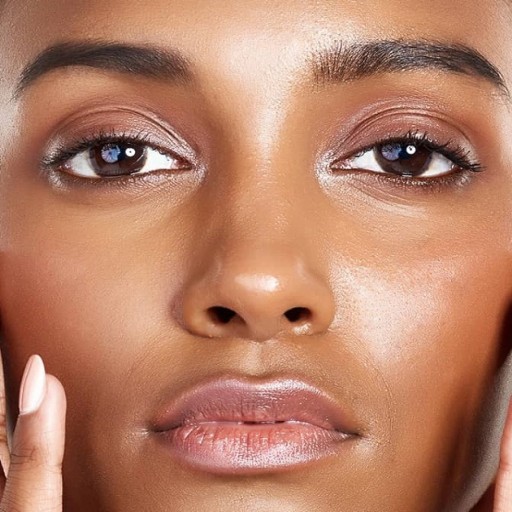
Common misunderstandings in oil control skin care
Misunderstanding 1: Oily skin does not need moisturizing
Many people with oily skin believe that their skin is already too oily and does not need additional moisturizing. However, the imbalance of water and oil in the skin may be the root cause of excessive oil secretion of the skin, so proper hydration and moisturizing can regulate oil secretion.
Misunderstanding 2: Frequent use of oil-absorbing paper
Although oil-absorbing paper can bring a temporary refreshing effect, frequent use will cause skin moisture loss, making the skin drier. It is recommended to use oil-absorbing paper moderately and avoid frequent wiping of the face.
Misconception 3: Using high-intensity cleansing products
High-intensity cleansing products may damage the skin's natural barrier, leading to an imbalance of water and oil, and causing the skin to produce more oil. Therefore, you should choose a mild cleansing product to avoid irritating the skin.
Controlling skin oiliness is not something that can be achieved overnight, and it needs to be gradually improved through scientific skin care methods and lifestyle habits. The key to caring for oily skin is to maintain the water and oil balance of the skin, avoid excessive cleansing, and use suitable oil control products.
Only by adhering to daily skin care and a healthy lifestyle can you achieve a refreshing and natural skin state. I hope the tips provided in this article can help you easily say goodbye to the trouble of oily face and have confident and bright skin.
 1
1 1
1OTHER NEWS
-
- The Five Best Flowers for Newbies to Keep Alive
- By MTH 14 Mar,2025

-
- Here’s a complete guide on what you should prepare before planting your seeds.
- By Prodosh Kundu 18 Jul,2024

-
- Vigilance! Keeping these kinds of plants indoors may harm your health
- By ZYY 09 Apr,2025

-
- 15 kinds of flowers suitable for summer
- By LH 31 Mar,2025

-
- Spring is here! Give Your Garden a New Look with These Gardening Tips
- By MTH 20 Feb,2025

-
- Hydroponic plants, gardening tips
- By LH 02 Apr,2025

-
- From planting to caring for flowers that bloom forever
- By MTH 10 Mar,2025

-
- Do you know these secrets of plants?
- By LH 18 Feb,2025

-
- How do you control pests and diseases in your garden
- By YL 12 Mar,2025

-
- Have you ever seen a magical plant that can grow by drinking air?
- By LH 14 Mar,2025

-
- How terrible are carnivorous plants?
- By LH 12 Mar,2025

-
- What are the most ugly plants in the gardening world?
- By LH 09 Apr,2025