Skin Crisis for Older Americans: From Dryness to Discoloration, Here's How to Cope
Skin problems among older adults in the United States are becoming more pronounced, ranging from bothersome dryness to discoloration, which can be aesthetic and suggest health risks, and have a significant impact on the quality of life of older adults.
Understanding the causes of these skin crises, as well as effective strategies for dealing with them, is critical for a wide range of older Americans and the families and healthcare professionals who care for them.
Dry Skin Problems in Older Americans
1. Causes of Dry Skin
As we age, the sweat and sebaceous glands of the skin of older Americans gradually decline in function. The sebaceous glands secrete sebum, an important substance that keeps the skin moisturized, and its reduction leads to a decrease in the skin's natural ability to moisturize.
In addition, the ability of the skin's stratum corneum to retain moisture is weakened, making the skin more susceptible to dryness.
The United States is a vast country, and climatic conditions in different regions can have a significant impact on the skin of older adults. For example, in the dry West and Midwest, low humidity air accelerates skin moisture loss.
Meanwhile, prolonged use of air conditioning and heating equipment, especially for older adults who spend most of their time indoors, can further exacerbate the problem of dry skin in a dry indoor environment.
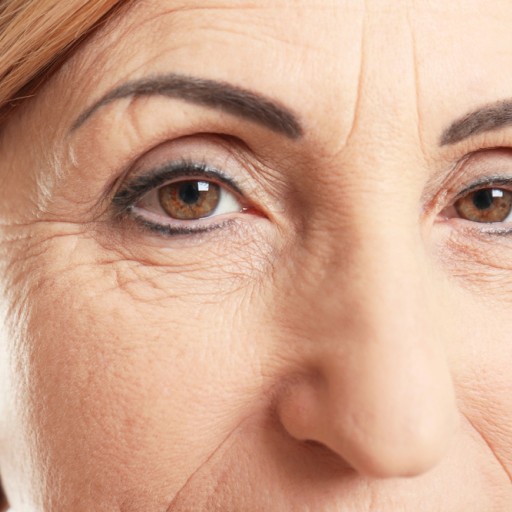
2. Harmful effects of dry skin
Dry skin not only causes itching and discomfort for older adults, but prolonged scratching may lead to skin breakdown and increase the risk of infection. Severe dryness may also cause cracking of the skin, especially on the hands and feet, affecting the daily activities of the elderly, such as walking and grasping objects.
3. Measures to deal with dry skin
Use mild, moisturizing cleansing products and avoid using shower gels or soaps that contain irritating ingredients such as alcohol.
For example, some cleansing products containing natural oils (e.g. olive oil, shea butter) can moisturize the skin while cleansing. Bathing water temperature should be controlled in the lukewarm range to avoid hot water stimulation.
Apply moisturizing lotion or cream in a timely manner after bathing, focusing on areas that are prone to dryness, such as arms, legs and back.
You can choose skin care products that contain moisturizing ingredients such as ceramides and hyaluronic acid, which help lock in skin moisture. For especially dry skin, you can use a moisturizer with strong sealing properties such as petroleum jelly.
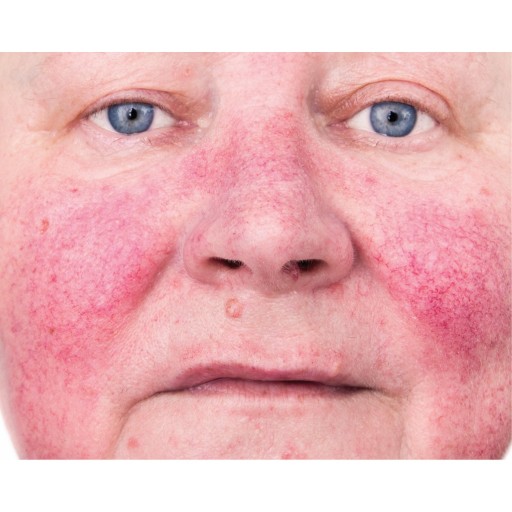
Pigmentation Problems in Older Americans
1. Causes of discoloration
The United States is sunny, especially in the South, and older adults are exposed to more UV rays for longer periods of time.
UV rays stimulate melanocytes in the skin to produce more melanin, which deposits on the surface of the skin and forms discoloration. Furthermore, older adults' skin has a reduced ability to repair itself, making it more susceptible to UV damage.
As we age, the endocrine system of older Americans changes, and fluctuations in hormone levels affect melanin synthesis and distribution. For example, in women, estrogen levels decrease after menopause, which may cause discoloration to worsen.
Some older Americans' discoloration problems are genetically linked. If there is a genetic predisposition in the family to be prone to discoloration, the individual's likelihood of developing discoloration in old age increases.
Some older adults may suffer from skin diseases or have had skin injuries, and post-inflammatory hyperpigmentation can lead to the formation of discoloration. Long-term friction and scratching of the skin may also trigger localized pigmentation.
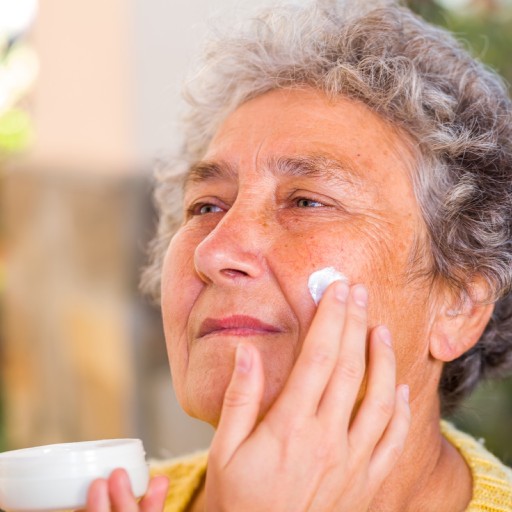
2. Harms of pigmentation
In addition to affecting the appearance of the elderly and leading to psychological low self-esteem or anxiety, certain pigmentation may also be related to skin cancer and other serious diseases.
For example, some irregular shapes, uneven colors, blurred borders and constantly changing pigmentation need special attention, which may be the early manifestation of malignant skin lesions such as melanoma.
3. Measures to deal with pigmentation
Physical sun protection measures such as wearing sun hat, sunglasses and using umbrella should not be neglected. Wide-brimmed sun hats can effectively block direct sunlight from the face, and sunglasses can protect the skin around the eyes and reduce the damage caused by ultraviolet rays to the area.
Skin care and treatment: Use skin care products that contain whitening ingredients, such as vitamin C, arbutin and palmitic acid. These ingredients can inhibit the production of melanin and help lighten discoloration. However, when using new skin care products, be careful to observe whether there is any allergic reaction.
For more severe discoloration, consider visiting a dermatologist for specialized treatments. For example, laser treatments can target specific types of discoloration for effective removal, but they require a professional doctor to evaluate and operate according to the condition of the discoloration.
Chemical peels can also improve the appearance of the skin, but there are certain risks involved and need to be chosen carefully.
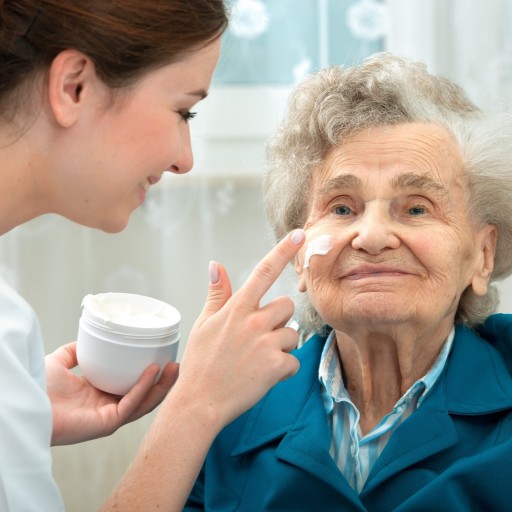
Comprehensive Prevention and Response Strategies
1. Regular Skin Examinations
Older Americans should get into the habit of having regular skin exams, at least once a year. This can help detect skin problems early, including dryness, discoloration, and possible lesions such as skin cancer. A dermatologist can provide a thorough assessment of skin conditions and offer personalized recommendations.
2. Healthy Lifestyle
Ensure adequate intake of protein, carbohydrates, fats, vitamins and minerals. In addition to the previously mentioned foods that are good for the skin, you should also focus on consuming foods rich in antioxidants, such as blueberries and strawberries, which can help fight free radical damage to the skin.
Moderate physical activity can improve blood circulation, which is good for skin health. Older adults can choose an exercise regime that suits them, such as walking, yoga and swimming. Exercise helps to maintain the body's metabolism functioning properly and reduces the occurrence of skin problems.
3. Skin care education and guidance
U.S. society can strengthen skin care education for the elderly through community activities, publicity in medical institutions, and other means to teach the elderly and their families about proper skin care, including how to choose the right skin care products, the correct cleansing and moisturizing methods, and the importance of sun protection.
The older adult population in the United States faces a range of skin problems, particularly dryness, discoloration, wrinkles and skin cancer.
Although aging is a natural process, with proper care, a healthy lifestyle, and specialized treatments, seniors can effectively slow down the aging process and improve the overall health of their skin.
The use of sunscreen, moisturizers, and anti-aging products, as well as regular skin checkups, can provide seniors with a healthier and more confident lifestyle.
 1
1 1
1OTHER NEWS
-
- The Five Best Flowers for Newbies to Keep Alive
- By MTH 14 Mar,2025

-
- Here’s a complete guide on what you should prepare before planting your seeds.
- By Prodosh Kundu 18 Jul,2024

-
- Vigilance! Keeping these kinds of plants indoors may harm your health
- By ZYY 09 Apr,2025
-
- 15 kinds of flowers suitable for summer
- By LH 31 Mar,2025

-
- Spring is here! Give Your Garden a New Look with These Gardening Tips
- By MTH 20 Feb,2025

-
- Hydroponic plants, gardening tips
- By LH 02 Apr,2025
-
- From planting to caring for flowers that bloom forever
- By MTH 10 Mar,2025

-
- Do you know these secrets of plants?
- By LH 18 Feb,2025

-
- How do you control pests and diseases in your garden
- By YL 12 Mar,2025

-
- Have you ever seen a magical plant that can grow by drinking air?
- By LH 14 Mar,2025

-
- How terrible are carnivorous plants?
- By LH 12 Mar,2025

-
- What are the most ugly plants in the gardening world?
- By LH 09 Apr,2025