The Ultimate Guide to Skin Care for Older Adults, 40s to 80s
As we age, our skin gradually loses its elasticity, and dryness, sagging, discoloration, and wrinkles become the norm for many people. Skin changes are especially noticeable between the ages of 40 and 80, making skin care at this stage especially important.
Characteristics of elderly skin
1. Physiological changes
At the age of 40, the collagen and elastic fibers of the skin gradually decrease, the skin becomes loose, and the wrinkles begin to deepen. At the age of 60, 70 and even 80, this change is more significant.
The skin's metabolism slows down, the stratum corneum thickens, the skin's barrier function decreases, water loss increases, and the skin becomes dry and rough. At the same time, the skin's oil secretion decreases, further aggravating the dryness problem.
2. Common Problems
Wrinkles and sagging: Crow's feet, wrinkles, head lines, etc. on the face are deepening and lengthening, and obvious wrinkles appear on the neck, hands and other exposed parts of the skin. Loss of skin elasticity and sagging, such as drooping eyelids and sagging cheeks.
Dryness and itching: Due to the damaged skin barrier and water loss, elderly people often feel dry skin, which may cause itching in severe cases. Excessive scratching may lead to skin breakdown and infection.
Pigmentation: Pigmentation problems such as age spots and chloasma have increased, which are related to changes in melanin metabolism during skin aging and long-term ultraviolet radiation exposure.
Thinning and fragile skin: Thinning skin thickness makes blood vessels more visible, and minor bumps or friction may lead to bruising and breakage, and the healing rate is slower than that of younger people.
Daily skin cleansing
1. Choose gentle cleansing products
For the elderly, avoid using overly strong cleansing products such as facial cleansers and soaps that contain alcohol, fragrances or strong alkaline ingredients. It is recommended to choose mild, non-irritating cleansers with a pH value close to the skin's natural pH (about 5.5).
These mild cleansing products can effectively remove dirt and excess oil without damaging the skin's barrier function.
2. Control the frequency and intensity of cleansing
Cleansing your face 1 - 2 times a day is sufficient, as over-cleansing can further damage the skin. When cleansing, be gentle and avoid rubbing the skin.
Wash your face with lukewarm water, the water temperature should not be too high or too low, close to the body temperature (37 ℃ or so) is best.
For body skin cleansing, adjust the frequency of bathing appropriately according to sweating and personal hygiene habits, generally 2 - 3 times per week is appropriate. Use a soft towel to gently wipe your body when bathing.
Importance and methods of skin moisturizing
1. Use moisturizing products
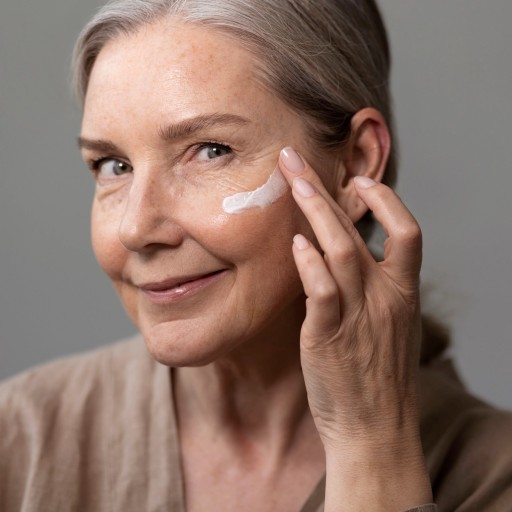
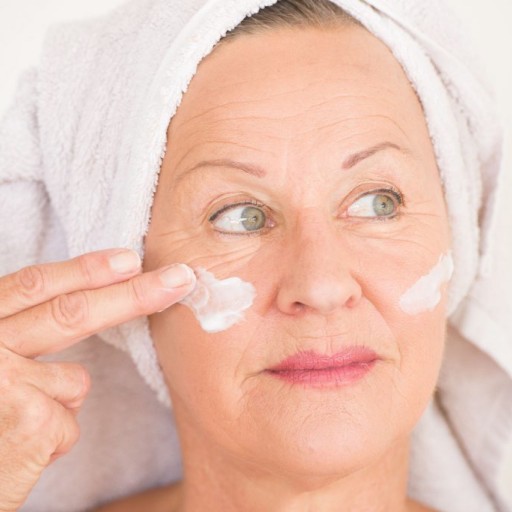
Moisturizing is the key to skin care for the elderly. Choose moisturizing lotions or creams that are rich in natural moisturizing factors (e.g. hyaluronic acid, ceramides, etc.). Hyaluronic acid absorbs a lot of water and keeps the skin moisturized; ceramides help repair the skin barrier.
After washing your face or taking a shower, apply moisturizers while your skin is still wet to lock in moisture.
For the hands, feet and other parts of the body that are prone to dryness, you can use a more moisturizing hand cream, foot cream, and before going to bed you can apply a thick layer, and then wear cotton gloves or socks to enhance the moisturizing effect.
2. Increase environmental humidity
In dry seasons or environments, use a humidifier to increase the humidity of the indoor air. Keeping the indoor humidity around 40% - 60% can effectively reduce the evaporation of skin moisture. Especially in winter, when warm air can dry out the indoor air, a humidifier can alleviate dry skin problems.
Sun protection is key
1. Understand the need for sun protection
UV rays are one of the most important factors that contribute to skin aging, and sun protection should not be ignored even in old age. Long-term exposure to UV rays can aggravate skin wrinkles and sagging, and may also cause skin cancer.
Older people's skin has a weaker resistance to ultraviolet rays, so it is even more important to do a good job of sun protection.
2. Choose the right sunscreen products and methods
Choose a sunscreen with appropriate sun protection index (SPF), generally recommended SPF 30 - 50. For older people who are often outdoors, you can choose a sunscreen with waterproof function.
When applying sunscreen, make sure you have full coverage, including exposed areas such as the face, neck and hands. In addition to using sunscreen, physical means of sun protection such as wearing a wide-brimmed hat, sunglasses, and using a parasol are also available. Avoid going out during the hours when UV rays are strongest (10 am to 4 pm).
Diet and skin health
1. Consume nutritious food
Eat foods rich in vitamins C, E, and A. Vitamin C promotes collagen production. Vitamin C can promote collagen synthesis and help maintain skin elasticity, such as citrus fruits, strawberries, kiwis, etc.
Vitamin E is an antioxidant that protects the skin from free radicals, nuts, olive oil, etc. are good sources of Vitamin E. Vitamin A is important for skin repair and maintenance of normal function, and carrots, spinach and pumpkin are rich in Vitamin A or its precursor carotene. Carrot, spinach and pumpkin are rich in vitamin A or its precursors.
2. Maintain adequate water intake
Drink enough water every day, generally recommended 1500 - 2000 ml per day. Adequate water can keep skin cells full, promote metabolism and improve dry skin.
In addition, moderate intake of collagen-rich foods, such as pig's trotters and fish skin, etc., but be careful to control the intake of fat, so as not to have an impact on other health problems, such as cardiovascular.
Benefits of proper exercise for the skin
1. Promote blood circulation
Proper exercise can promote blood circulation throughout the body, including microcirculation of the skin. Good blood circulation can provide more oxygen and nutrients to skin cells, which helps skin metabolism and self-repair. Walking, tai chi, yoga, etc. are all suitable exercises for the elderly. 3-5 times a week for about 30 minutes each time is sufficient.
2. Enhance skin elasticity
Exercise can stimulate collagen synthesis in the skin, making the skin tighter and more elastic. For example, some light strength training can exercise the muscles, and the tightness of the muscles can play a certain role in supporting the skin and reduce skin laxity.
Skin care for special situations to deal with
1. Itchy skin
Itchy skin is more common in the elderly. If itching occurs, do not scratch excessively to avoid scratching the skin and causing infection. You can use cold compresses to relieve itching by gently applying a cold towel or ice pack to the itchy area.
At the same time, choose mild, itch-relieving skin care products, such as those containing menthol, allantoin and other ingredients. If the itching is severe, you should seek medical attention to rule out other causes such as skin diseases.
2. Skin injury and wound care
Due to the poor healing ability of the skin of the elderly, once a skin injury occurs, the wound should be cleaned promptly and disinfected with a mild disinfectant such as iodophor.
Keep the wound dry, avoid water, and cover it with a breathable band-aid or gauze if necessary. If the wound becomes red, swollen, oozing, or other abnormalities, seek medical attention as soon as possible.
Between the ages of 40 and 80, skin care should focus on moisturizing, anti-aging, daily sun protection and healthy lifestyle habits.
A scientific and systematic skincare routine, together with a healthy diet, adequate sleep and moderate exercise, will not only improve the condition of the skin, but also enhance the overall quality of life. We hope that every older friend can have healthier and younger looking skin with careful care!
 1
1 1
1OTHER NEWS
-
- The natural choice for indoor air purification five high-quality greenery recommendations
- By YL 14 Mar,2025

-
- How to Choose the Best Lawn and Landscaping Services for Your Home
- By Prodosh Kundu 28 Aug,2024

-
- How do you control pests and diseases in your garden
- By YL 12 Mar,2025
-
- From planting to caring for flowers that bloom forever
- By MTH 10 Mar,2025

-
- Hydroponic plants, gardening tips
- By LH 02 Apr,2025
-
- Vigilance! Keeping these kinds of plants indoors may harm your health
- By ZYY 09 Apr,2025
-
- Is the smell of mowing the grass a distress signal from plants?
- By LH 21 Feb,2025
-
- Have you ever seen a magical plant that can grow by drinking air?
- By LH 14 Mar,2025
-
- How Organic Gardening Supplies Can Transform Your Garden And The Environment?
- By Prodosh Kundu 28 Oct,2024

-
- Do you know these secrets of plants?
- By LH 18 Feb,2025

-
- The Five Best Flowers for Newbies to Keep Alive
- By MTH 14 Mar,2025

-
- Here’s a complete guide on what you should prepare before planting your seeds.
- By Prodosh Kundu 18 Jul,2024