Thinning, Sagging, Dry Skin: How Older Americans Face Skin Dilemmas
Changes to the skin as we age are a natural process that is inevitable for everyone. For seniors in particular, the condition of the skin is often no longer as firm, smooth and elastic as it was when they were younger.
Thinning, sagging and dry skin are the most common skin problems seniors experience, and these issues not only affect their appearance, but can also cause considerable quality-of-life concerns. How can older Americans cope with these skin woes?
Thinning Skin
Thinning skin is a significant change in the skin of older adults. As we age, the collagen and elastic fibers in our skin diminish, causing it to lose its original elasticity and resilience.
This change makes older adults' skin more susceptible to injury, and even the slightest bump or friction can lead to conditions such as skin breakage and bruising. In their daily lives, many older Americans take extra care to avoid activities that could cause damage to their skin.
For example, they wear protective gloves when performing household chores to prevent damage to the skin on their hands from frequent contact with cleaning agents and rough objects.
Loose Skin
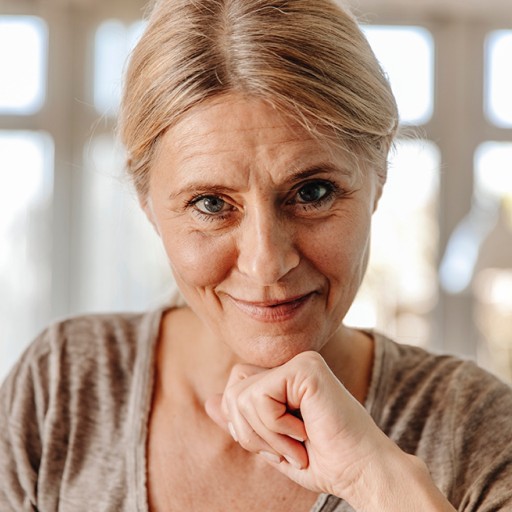
Loose skin is also a major problem for older Americans. Loose skin is most noticeable on the face, where deepening wrinkles, drooping eyelids, and blurred jawlines can occur. To combat this, some seniors choose to improve with the help of cosmetic treatments.
In the U.S. cosmetic market, there are a variety of treatments available for sagging skin. Among them, non-invasive cosmetic techniques such as laser skin tightening and radiofrequency skin tightening are quite popular.
These techniques work by stimulating the regeneration of collagen in the skin, resulting in a certain degree of skin tightening. Many elderly people regularly visit specialized aesthetic clinics to receive such treatments.
Although the cost is substantial, they are willing to invest in order to improve their appearance and image. There are also some seniors who choose to undergo invasive procedures such as facelift surgery, but this involves higher risks and a longer recovery period, and is therefore chosen by relatively fewer people.
Dry skin
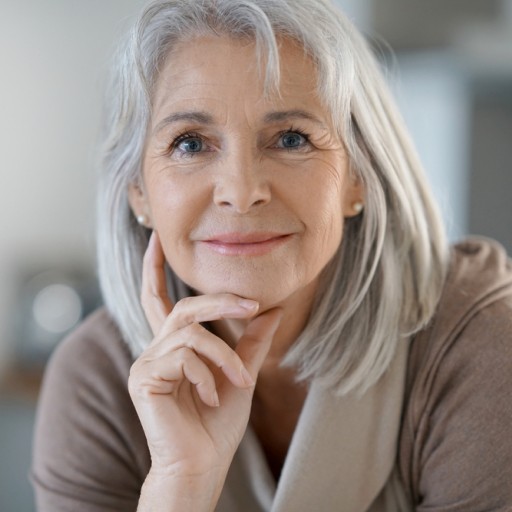
Dry skin is almost universal in the elderly population. Dry skin can cause itching, flaking, and other uncomfortable symptoms that can seriously affect the comfort of seniors. To alleviate dry skin, older Americans first focus on moisturizing skin care.
They will choose to use skin care products rich in moisturizing ingredients such as glycerin and hyaluronic acid, and apply lotions and creams at regular intervals every day, especially after bathing, and apply moisturizing products in time while the skin is still wet in order to lock in skin moisture.
When it comes to bathing, they also make adjustments to avoid bathing in excessively hot water, as hot water can take away more oil from the skin and aggravate dry skin. Also, reduce the use of harsh soaps in favor of gentle body washes or specialized moisturizing bath products.
Sharing Skin Care Tips
In addition to daily self-care, older Americans are increasingly emphasizing diet to improve their skin condition. Recognizing the importance of diet to skin health, they are increasing their intake of foods rich in nutrients such as vitamins C, E, and A, as well as omega-3 fatty acids.
For example, eating more fresh fruits and vegetables, such as oranges, strawberries, broccoli, etc., are rich in vitamins C and E, which help to protect skin cells from free radicals; carrots, pumpkin, etc., are rich in vitamin A, which promotes the renewal and repair of skin cells; and omega-3 fatty acids in salmon, walnuts, etc., can maintain the elasticity of the skin and moisturize it.
Additionally, adequate water intake is key to keeping skin moisturized. Older adults make it a habit to drink water regularly to ensure that their bodies have enough water to maintain normal skin metabolism.
On a psychological level, these changes in the skin also bring a certain amount of distress to older Americans. Looking at their skin, which is gradually losing its luster and becoming loose and dry, they may develop low self-esteem and anxiety.
In order to cope with this psychological pressure, many older people will actively participate in social activities and communicate with their peers to share their feelings and experiences.
Some communities will also organize special mental health counselling activities for the elderly to help them correctly understand the skin changes that occur during the aging process, and build up a positive self-image and a healthy mindset.
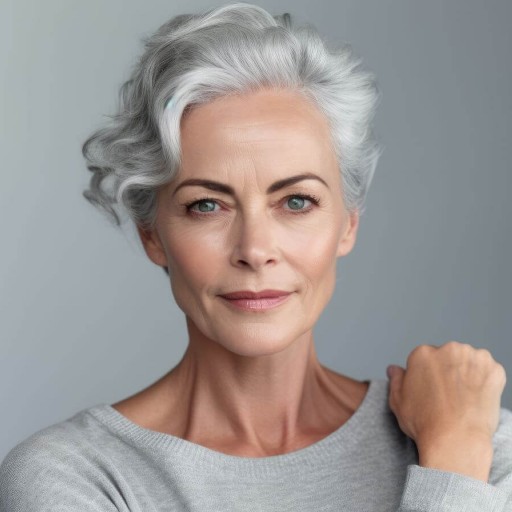
For example, through organizing beauty talks and mental health seminars, elderly people are made to understand that skin changes are part of natural ageing and can be improved and managed in various ways, thus alleviating their psychological burden.
Meanwhile, U.S. healthcare organizations are providing support for older adults' skin health. Dermatologists perform regular skin exams for seniors to detect skin lesions and other problems.
For seniors with skin conditions such as eczema and psoriasis, doctors will develop personalized treatment plans based on their condition, using a combination of medication, physical therapy, and other means to help alleviate their symptoms and control the progression of their condition.
Moreover, doctors will also give the elderly professional advice on skin care, guiding them to make the right choice of skin care products and adjust their living habits.
In terms of elderly care organizations, they also focus on caring for the skin health of the elderly. Nursing staff will assist the elderly in their daily skin care, ensuring that they can use moisturizers properly and keep their skin clean.
For elderly people with mobility problems, the nursing staff will help them take baths and change their clothes, so as to avoid aggravating their skin problems due to prolonged bed rest or lack of attention to personal hygiene.
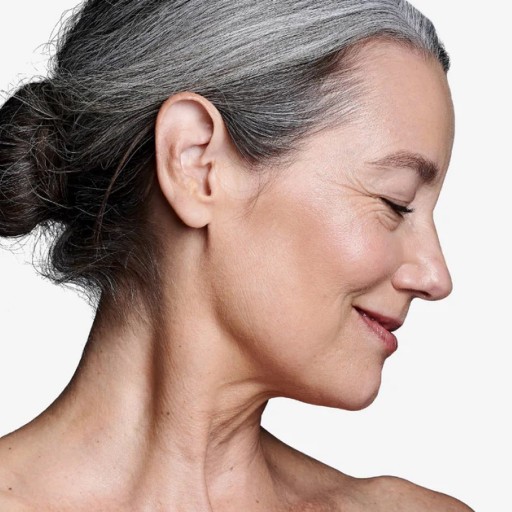
At the same time, senior care facilities will also arrange for dieticians to formulate a reasonable diet plan based on the physical condition and skin needs of the elderly to ensure that they consume enough nutrients to maintain skin health.
When facing the plight of thinning, sagging and dry skin, the elderly in the U.S. have been able to alleviate the adverse effects of these problems to a certain extent through self-care, beauty treatments, dietary adjustments.
Psychological adjustments, and with the support of medical institutions and senior living organizations, and have worked hard to improve their quality of life and spend their twilight years in a more active and healthy state.
As technology continues to advance and society's concern for the elderly continues to grow, it is believed that more and better methods and measures will emerge in the future in the area of skin health management for the elderly, bringing more benefits to older Americans.
Facing the plight of thinning, sagging and dry skin, American seniors should adopt scientific and reasonable skin care methods, maintain good living habits and regain the youthful vigor of their skin. At the same time, pay attention to mental health, face life positively, so that the skin and mind together with the young glow.
 1
1 1
1OTHER NEWS
-
- The natural choice for indoor air purification five high-quality greenery recommendations
- By YL 14 Mar,2025

-
- Do you know these secrets of plants?
- By LH 18 Feb,2025

-
- Sustainable Gardening Starts With Organic Supplies
- By Prodosh Kundu 28 Oct,2024
-
- How terrible are carnivorous plants?
- By LH 12 Mar,2025

-
- Have you ever seen a magical plant that can grow by drinking air?
- By LH 14 Mar,2025
-
- Spring is here! Give Your Garden a New Look with These Gardening Tips
- By MTH 20 Feb,2025

-
- From planting to caring for flowers that bloom forever
- By MTH 10 Mar,2025

-
- Hydroponic plants, gardening tips
- By LH 02 Apr,2025
-
- How Organic Gardening Supplies Can Transform Your Garden And The Environment?
- By Prodosh Kundu 28 Oct,2024

-
- Vigilance! Keeping these kinds of plants indoors may harm your health
- By ZYY 09 Apr,2025
-
- Growing For The Planet: How Sustainable Gardening Practices Can Help To Mitigate Climate Change
- By Prodosh Kundu 28 Oct,2024
-
- What are the most ugly plants in the gardening world?
- By LH 09 Apr,2025