How can seniors guard their fragile skin as it thins?
It is a natural physiological phenomenon that seniors' skin thins as they age. Thinning skin makes older adults' skin more fragile and prone to various problems such as dryness, itching, deepening wrinkles, and vulnerability to injury. Therefore, older adults need to take more care of their skin to maintain its health and comfort.
The causes of skin thinning are mainly related to age-related physiological changes. As the years go by, there is a gradual decrease in collagen and elastin fibers in the skin, which are key components in maintaining the skin's elasticity and resilience.
Like the gradual loss of reinforcement and concrete in a building, the skin's support structure becomes weaker, leading to skin thinning.
In addition, the skin's metabolism slows down, cell renewal slows down, the stratum corneum thins, and the skin's barrier function declines, making the skin more susceptible to stimulation and damage from the external environment.
So, how can seniors guard their fragile skin?
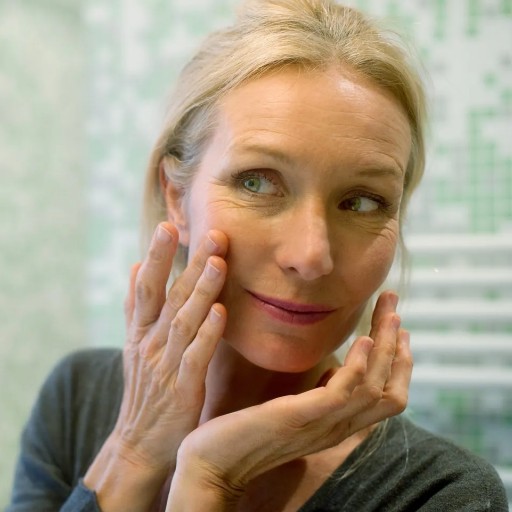
Gentle cleansing is the key
The skin barrier function of the elderly is weaker, so when cleaning the skin to avoid using too strong cleaning products. You should choose mild, moisturizing cleansing products, such as facial cleansers containing natural plant extracts or cleansing soap.
These products can reduce skin irritation while cleaning skin dirt and avoid over-cleaning to take away too much oil from the skin.
When washing your face, the temperature of the water also needs extra attention. Do not use too hot water, because hot water will make the skin vasodilatation, accelerate the loss of skin moisture, resulting in more dry skin.
Generally speaking, the water temperature control in 30 - 35 ℃ is more appropriate, close to the temperature of the human skin, not only can effectively clean the skin, but also to protect the skin's natural barrier.
The frequency of washing the face should not be too high, morning and evening once can. Excessive cleaning will destroy the lipid film on the surface of the skin, so that the skin loses its natural moisturizing factor, and then becomes dry and rough.
Focus on moisturizing and nourishing
Moisturizing is the most important part of skin care for the elderly. As the skin becomes thinner, it is easier to lose moisture, so you need to replenish moisture and lock it in. Choosing a moisturizer that is right for your skin type is crucial.
For seniors with dry skin, choose a moisturizer that is rich in oils, such as petroleum jelly and lanolin, among other ingredients. These oils can form a protective film on the surface of the skin, effectively preventing water evaporation and keeping the skin moisturized.
For the elderly with oily skin, although the skin is relatively oily, but with age, the skin will gradually become dry, so you can choose a more refreshing texture of the moisturizing lotion. These products can provide a certain moisturizing effect, but will not make the skin feel too greasy.
In addition to using moisturizers on a daily basis, seniors can hydrate from within by drinking more water. Drinking at least 1,500 - 2,000 milliliters of water a day will help maintain the skin's moisture balance and keep it hydrated.
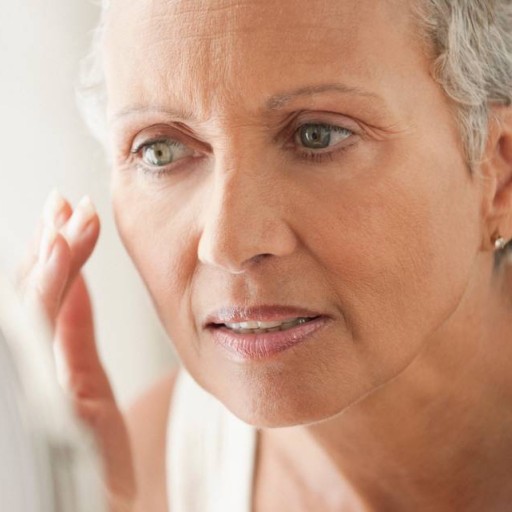
Sun protection should not be neglected
Ultraviolet rays are one of the most important factors leading to skin aging and thinning. Long-term exposure to UV rays accelerates the decomposition of collagen and elastin fibers in the skin, causing the skin to lose elasticity, deepening wrinkles, and increasing the risk of skin cancer.
Therefore, the elderly should also do a good job of sun protection measures in their daily lives.
When going out, they should try to avoid going out during the time when UV rays are the strongest (10 am to 4 pm). If you must go out, apply sunscreen and choose a product with the right sun protection factor (SPF). Generally, sunscreen with SPF 30 - 50 can meet your daily needs.
At the same time, pay attention to the amount of sunscreen, should be evenly applied to the face, neck, arms and other exposed areas, and every 2 - 3 hours to reapply.
In addition to applying sunscreen, wearing sun hats, sunglasses, and umbrellas are also effective ways to protect yourself from the sun. Wide-brimmed sun hats can block direct sunlight from the face and head, sunglasses can protect the skin around the eyes from UV rays, and umbrellas can provide a large area of sun protection for the body.
Eat right to nourish your skin
Diet also has a significant impact on skin health. Older adults should consume foods rich in vitamins, minerals and antioxidants to promote healthy skin.
Vitamin A is essential for maintaining the normal function and structure of the skin. It promotes the growth and differentiation of skin cells and enhances the barrier function of the skin. Foods rich in vitamin A include animal liver, cod liver oil, carrots, pumpkin and spinach.
Vitamin C and Vitamin E are powerful antioxidants that can neutralize free radicals, reduce UV damage to the skin and slow down skin aging. Vitamin C-rich foods include citrus fruits, strawberries, kiwi, green peppers, etc. Vitamin E is found in nuts, vegetable oils, whole grains and other foods.
In addition, collagen is an important part of the skin. Elderly people can consume collagen-rich foods, such as pig's trotters, fish skin and chicken claws, in moderation, to help increase the elasticity of the skin.
At the same time, it is important to maintain a well-balanced diet with adequate intake of protein, carbohydrates and healthy fats to maintain the body's normal metabolism and provide adequate nutritional support for the skin.
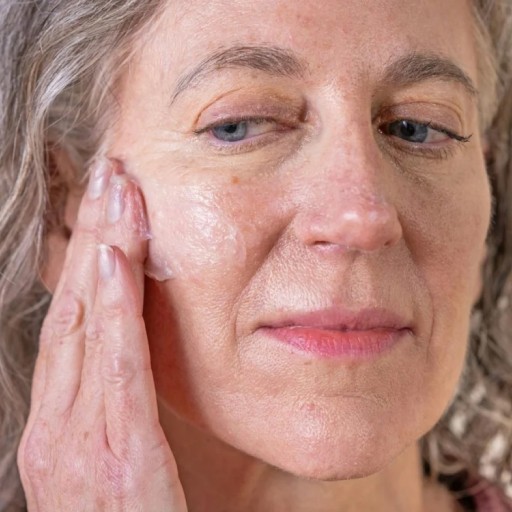
Avoid adverse stimuli
Elderly people have sensitive skin and should try to avoid all kinds of adverse stimuli. First, avoid scratching the skin. After the skin becomes thin, scratching will easily lead to skin breakage, causing infection and may aggravate the symptoms of itchy skin. If the skin is itchy, you can gently pat or apply anti-itching ointment to relieve it.
Second, pay attention to dress. Choose loose, soft, breathable cotton clothing, avoid wearing chemical fiber, tight clothing, so as not to rub the skin, causing discomfort. At the same time, keep your clothes clean and change them frequently to prevent bacteria from growing.
Furthermore, when using skin care products and cosmetics, choose carefully and avoid products containing alcohol, fragrances, and harsh chemicals. If your skin has an allergic reaction to a product, stop using it immediately and seek medical attention.
Proper exercise promotes circulation
Proper exercise is also beneficial to the skin health of the elderly. Exercise can promote blood circulation, so that the skin gets more nutrients and oxygen supply, which helps maintain the normal metabolism and function of the skin.
Older adults can choose the type of exercise that suits them, such as walking, tai chi and yoga. Perform at least 150 minutes of moderate-intensity exercise per week, such as brisk walking with about 100 - 120 steps per minute.
Pay attention to the right amount of exercise to avoid over-exertion, and pay attention to the safety of the exercise environment to prevent falls and injuries.
Thinning skin is one of the skin problems faced by the elderly, but by adopting scientific and reasonable skin care measures and focusing on daily habits and dietary regimen, the elderly can effectively guard their fragile skin, reduce the occurrence of skin problems.
Improve the quality of life, and make their old age more comfortable, healthy and beautiful. Let's give more love and attention to the elderly, help them work together to cope with the challenges of thinning skin, so that the signs of age no longer become a nuisance.
 1
1 1
1OTHER NEWS
-
- Sustainable Gardening Starts With Organic Supplies
- By Prodosh Kundu 28 Oct,2024
-
- Hydroponic plants, gardening tips
- By LH 02 Apr,2025
-
- Is the smell of mowing the grass a distress signal from plants?
- By LH 21 Feb,2025
-
- Here’s a complete guide on what you should prepare before planting your seeds.
- By Prodosh Kundu 18 Jul,2024
-
- Do you know these secrets of plants?
- By LH 18 Feb,2025
-
- The Five Best Flowers for Newbies to Keep Alive
- By MTH 14 Mar,2025

-
- Have you ever seen a magical plant that can grow by drinking air?
- By LH 14 Mar,2025
-
- Vigilance! Keeping these kinds of plants indoors may harm your health
- By ZYY 09 Apr,2025
-
- 15 kinds of flowers suitable for summer
- By LH 31 Mar,2025

-
- How to Choose the Best Lawn and Landscaping Services for Your Home
- By Prodosh Kundu 28 Aug,2024

-
- How terrible are carnivorous plants?
- By LH 12 Mar,2025

-
- Spring is here! Give Your Garden a New Look with These Gardening Tips
- By MTH 20 Feb,2025