Why does your skin always peel You must know these reasons
Peeling skin is a problem that many people experience in their daily lives. It not only affects aesthetics, but may also be accompanied by uncomfortable symptoms such as itching, stinging or dryness.
Although this phenomenon seems to be simple, the reasons behind it are very complicated, involving the external environment, physical state, lifestyle habits and other factors. In order to help you fully understand why the skin will flake, the following is a detailed answer to this question from multiple perspectives.
First of all, the most direct cause of skin flakiness is damaged skin barrier. The skin barrier consists of the stratum corneum and the sebaceous membrane, which is responsible for locking in moisture and protecting the skin from external aggressions.
When the barrier function decreases, moisture is more easily lost and the skin becomes dry, which in turn triggers flakiness. For example, over-cleansing is a common behavior that damages the skin barrier.
Frequent use of strong cleansing detergents strips away natural oils from the skin's surface, leaving the stratum corneum unprotected and ultimately leading to dryness and flakiness.
The impact of climatic conditions on skin flakiness should not be ignored. The fall and winter seasons are the highest incidence of skin flakiness, which is related to the decrease in air humidity and cold weather.
A low humidity environment accelerates the evaporation of water from the top layer of the skin, while cold temperatures may slow down the secretion of sebaceous glands, leaving the top layer of the skin without the necessary oil to protect it. In addition, prolonged exposure to air-conditioned rooms or heaters can further exacerbate skin dryness.
Especially in the hot summer months, although the humidity is high, if you are in a cold environment for a long period of time, your skin will be equally dehydrated, which in turn triggers flakiness.
In addition to the external environment, lifestyle habits are also critical to skin health. Unhealthy diets, such as excessive intake of fried foods, refined sugars, or diets lacking in vitamins and minerals, can cause the skin to lack the necessary nutritional support.
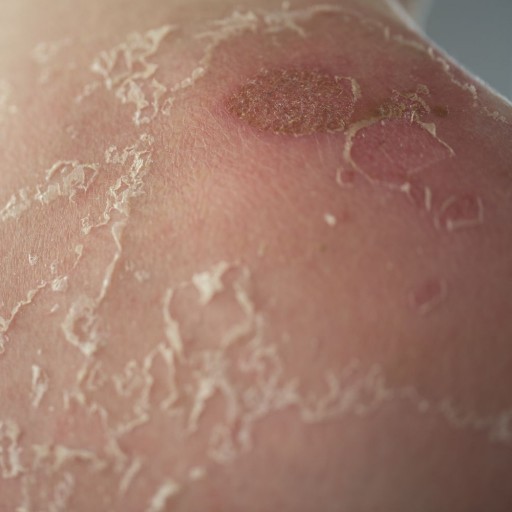
In particular, deficiencies in vitamin A, vitamin E and essential fatty acids can directly affect the skin's ability to lock in water and its barrier function, increasing the risk of dry skin. In addition, inadequate water intake is another common cause.
The water content of human skin is directly affected by the body's water balance. If you don't drink enough water on a daily basis, your skin's water supply will be reduced, making it more prone to flaking.
Stress and lack of sleep are common health hazards in the modern world, as well as potential culprits for skin problems.
When the human body is under prolonged high pressure, the blood circulation of the skin will be inhibited, and nutrients and oxygen cannot be adequately delivered to the surface of the skin, resulting in weakened skin metabolism and dryness and flakiness.
Lack of sleep, on the other hand, affects the skin's ability to repair itself, weakening the barrier function and making the skin more fragile. Those who regularly stay up late may also find that, in addition to flakiness, the skin's radiance decreases or even becomes rough and rough.
Certain diseases or health conditions may also cause skin flakiness. For example, eczema and psoriasis are two common skin conditions that are often accompanied by dry, red and flaky skin.
These diseases can disrupt the skin's barrier function, making it more susceptible to moisture loss. In addition, endocrine system disorders such as abnormal thyroid function and diabetes may also indirectly contribute to dry and flaky skin. Allergic reactions are another factor that should not be ignored.
When the skin comes into contact with allergens, redness, itching and even extensive peeling may occur.
Aging is one of the natural causes of flaky skin. As we age, the skin's metabolism slows down, oil production decreases, and the water-locking ability of the stratum corneum decreases. This change makes middle-aged and older adults more prone to dry and flaky skin. In addition, older people's skin is thinner, with weaker defenses, and is more susceptible to damage when exposed to external stimuli.
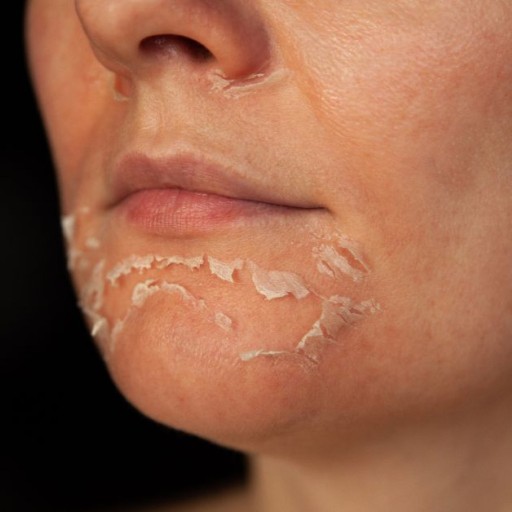
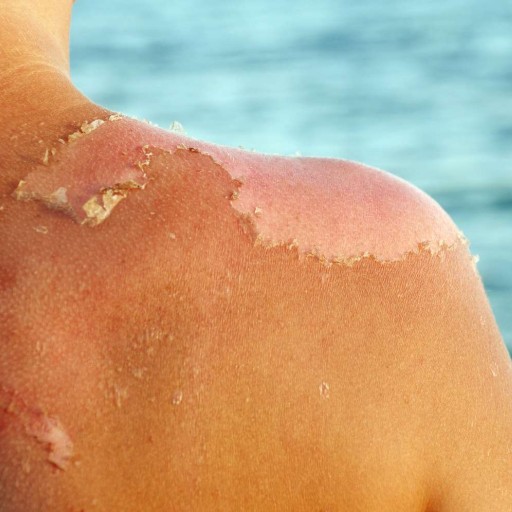
Prolonged exposure to UV rays is also a major cause of skin flakiness. UV rays not only destroy the skin's collagen, but also weaken the skin's barrier function, making moisture loss even worse. Especially in the absence of protective measures, sun exposure can cause sunburn and lead to peeling of the skin.
To prevent skin flaking, you first need to start with your lifestyle habits. Maintaining adequate water intake is the foundation. It is recommended to drink enough water every day to maintain the water balance in the body and skin.
The diet should be enriched with foods rich in vitamins A and E as well as healthy fatty acids, such as dark vegetables, nuts and fish. These nutrients enhance skin repair and improve barrier health. Additionally, avoiding foods high in sugar, salt and excess processed foods can help minimize skin problems.
Improving your living environment is equally important. For those who are constantly in dry air, using a humidifier can effectively increase the humidity of the environment and relieve dry skin. When it comes to skincare, try to choose gentle cleansing products and avoid using overly de-greasing or harsh ingredients.
Use a moisturizer promptly after cleansing to lock in moisture to prevent further drying of the skin. If exfoliation is necessary, choose a method with appropriate frequency and gentleness to avoid damaging the protective function of the stratum corneum.
In your daily life, take care to avoid excessive bathing, especially hot baths. Hot water takes away the natural oils from the top layer of the skin, making the skin even drier. It is recommended to clean the skin with lukewarm water and shorten the duration of bathing.
In addition, wearing soft, breathable clothing and avoiding direct contact between rough fabrics and the skin can also reduce skin irritation.
If skin flaking persists or is accompanied by other unusual symptoms, it is advisable to seek professional help. A dermatologist can examine the skin to determine the exact cause and provide targeted treatment recommendations.
For example, for skin conditions such as eczema or psoriasis, medication may be needed to relieve symptoms. For systemic disorders such as endocrine disorders, on the other hand, a holistic approach to health is needed.
Skin flakiness is caused by a combination of factors, including the external environment, lifestyle habits, dietary structure, disease and age. While this problem may seem unavoidable, it is entirely possible to improve it by adjusting your lifestyle, optimizing your environment, and taking care of your skin scientifically.
By focusing on daily skin care and protecting the skin barrier at its root, you can stay away from dryness and flakiness and have healthy, smooth skin.
 1
 1
OTHER NEWS
-
- The natural choice for indoor air purification five high-quality greenery recommendations
- By YL 14 Mar,2025

-
- Vigilance! Keeping these kinds of plants indoors may harm your health
- By ZYY 09 Apr,2025
-
- From planting to caring for flowers that bloom forever
- By MTH 10 Mar,2025

-
- Here’s a complete guide on what you should prepare before planting your seeds.
- By Prodosh Kundu 18 Jul,2024

-
- How terrible are carnivorous plants?
- By LH 12 Mar,2025

-
- Have you ever seen a magical plant that can grow by drinking air?
- By LH 14 Mar,2025
-
- Growing For The Planet: How Sustainable Gardening Practices Can Help To Mitigate Climate Change
- By Prodosh Kundu 28 Oct,2024

-
- Is the smell of mowing the grass a distress signal from plants?
- By LH 21 Feb,2025

-
- Spring is here! Give Your Garden a New Look with These Gardening Tips
- By MTH 20 Feb,2025

-
- How Organic Gardening Supplies Can Transform Your Garden And The Environment?
- By Prodosh Kundu 28 Oct,2024

-
- The Five Best Flowers for Newbies to Keep Alive
- By MTH 14 Mar,2025

-
- How do you control pests and diseases in your garden
- By YL 12 Mar,2025