Blood Sugar, Joints, Bone Density, How to Guard Seniors' Health Through Diet?
As we age, the body functions of the elderly gradually deteriorate, and health problems in terms of blood sugar, joints and bone density are becoming more and more prominent. A proper diet is not only the basis of life-sustaining activities, but also a key means to prevent and improve these health problems.
Dietary Strategies for Stabilizing Blood Glucose
The body of the elderly has a weakened ability to regulate blood glucose. High blood glucose may cause diabetes and its complications, while low blood glucose may lead to dangerous situations such as dizziness, fatigue and even coma. Therefore, stabilizing blood sugar is crucial.
Choose low glycemic index (GI) foods: Coarse grains such as oatmeal, brown rice, and whole wheat flour are rich in dietary fiber, which is digested and absorbed relatively slowly, enabling a smooth rise in blood glucose and avoiding large fluctuations in blood glucose.
For example, replace fine white rice with brown rice and white bread with whole wheat bread. Beans such as red beans, green beans and black beans are also good choices for low GI foods. They can be cooked into porridge or made into soymilk for consumption, which provides a sense of fullness and helps control blood sugar.
Increase vegetable intake: Vegetables are rich in dietary fiber, vitamins and minerals, low in calories and have little effect on blood sugar. Green leafy vegetables such as spinach, celery, cabbage, etc. should be guaranteed to have a certain amount of intake at every meal.
Root vegetables such as carrots, pumpkins, etc., although containing certain carbohydrates, are also beneficial in moderation due to their rich nutrients, and can be combined with other low GI foods, such as carrots stewed with chicken.
Control the amount of fruits and choose the right kinds: Fruits are rich in vitamins and antioxidants, but most of them contain a certain amount of sugar. Elderly people should choose low GI fruits, such as apples, pears, grapefruit, etc., and control the amount of fruit consumed, generally 1 - 2 medium-sized fruits per day is appropriate.
Avoid fruits with high sugar content such as lychee, cinnamon and sugar cane, as well as fruit products such as canned fruits and dried fruits, which often have a large amount of sugar added during processing.
Reasonable distribution of three meals: Follow the principle of eating fewer and more frequent meals to avoid a sudden rise in blood sugar caused by consuming too much food in one meal.
Breakfast should be eaten well, to ensure enough protein and dietary fiber, such as eggs, milk, whole wheat bread, etc.; lunch should be eaten full, and increase the proportion of coarse grains and vegetables; dinner should be eaten less, to light and easy to digest food, and should not be eaten before bedtime, to prevent the rise in blood sugar at night.
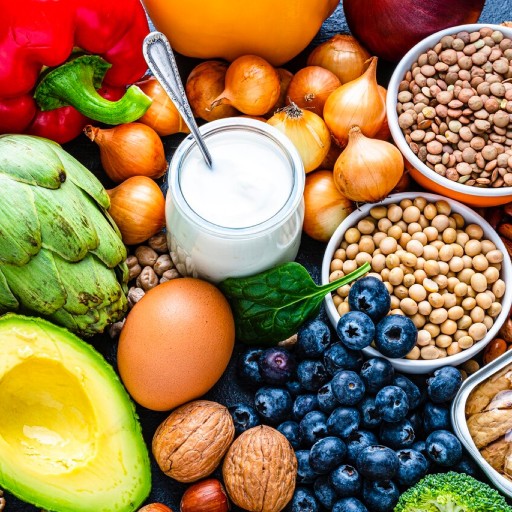
Take care of the joints of the diet points
Joint pain, stiffness and other problems are more common among the elderly, and joint diseases such as osteoarthritis seriously affect the quality of life. Diet plays a supporting role in joint health maintenance.
Supplement with collagen-rich foods: Collagen is an important part of joint cartilage and can enhance its elasticity and toughness. Foods such as pig's trotters, fish skin and beef tendons are rich in collagen, but due to their high fat content, you need to pay attention to moderation when consuming them, and you can use stewed food to reduce the intake of fats and oils.
Nutritional supplements such as collagen powder are also available, but should be taken under the guidance of a doctor or dietitian.
Consume foods rich in glucosamine and chondroitin sulfate: Glucosamine and chondroitin sulfate help repair and maintain joint cartilage. The shells of crustaceans such as shrimps and crabs are rich in glucosamine and chondroitin sulfate.
Shrimp shells and crab shells can be cleaned, dried and ground into powder, and added to food for consumption, but be aware of allergy problems. There are also nutritional supplements available on the market.
Increase foods rich in vitamin C and vitamin D: Vitamin C helps synthesize collagen, so eat more citrus fruits, strawberries, kiwis, peppers and other foods rich in vitamin C. Vitamin D can promote calcium absorption.
Vitamin D promotes calcium absorption and is important for joint health. Besides sun exposure, foods such as deep-sea fish (salmon, sardines), milk, and eggs all contain some amount of vitamin D.
Control inflammatory food intake: Reduce the consumption of foods that tend to trigger inflammatory reactions in the body, such as fried foods, animal offal, and high-sugar beverages, as inflammation can aggravate joint pain and damage.
At the same time, cooking methods should try to choose healthy ways such as steaming, boiling and stewing, avoiding high-temperature deep-frying and pan-frying to reduce the intake of fats and trans fatty acids and reduce the burden on joints.
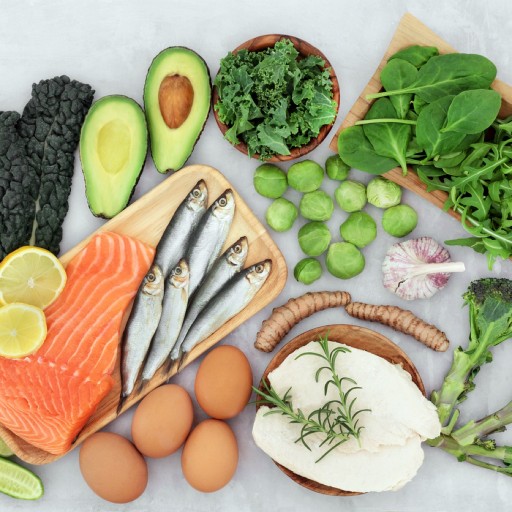
Dietary advice to improve bone density
With age, the elderly accelerate bone loss, bone density decline, easy to occur osteoporosis, fracture risk increases greatly. Adequate dietary calcium, phosphorus and other minerals as well as other nutrients are essential for maintaining bone density.
Ensure adequate calcium intake: Milk and its products are a good source of calcium. 300 - 500 ml of milk should be guaranteed every day, and yogurt and cheese are also available. Soy products such as tofu, soymilk and dried beans are rich in calcium and full of vegetable protein, making them suitable for the elderly.
For the elderly who are not accustomed to dairy or soy products, they can also choose foods with high calcium content such as shrimp skin and sesame paste, but due to the high sodium content of these foods, they need to pay attention to moderation when consuming them.
In addition, green vegetables such as broccoli, mustard greens, baby bok choy, etc. are also good sources of calcium and should be eaten more often.
Reasonable combination of phosphorus, magnesium and other minerals: phosphorus is an important part of the bone, lean meat, fish, eggs, nuts and other foods are rich in phosphorus, but need to pay attention to the ratio of calcium and phosphorus, generally recommended that calcium and phosphorus ratio between 1:1 - 2:1.
Magnesium can promote the absorption and utilization of calcium, you can eat more whole grains, green leafy vegetables, nuts and other magnesium-rich foods, such as oats, spinach, almonds and so on.
Supplement vitamin K: Vitamin K plays an important role in bone mineralization and calcium metabolism, and can promote the carboxylation of osteocalcin and increase bone density. Green leafy vegetables such as spinach, lettuce, and kale are the main food sources of vitamin K. Fermented soy products such as natto are also rich in vitamin K.
Appropriate protein intake: Protein is an important part of the organic matter of bones, and an appropriate amount of protein intake can help maintain bone health. Elderly people can choose lean meat, fish, beans, eggs, dairy products and other high-quality protein foods, but should not be excessive, so as not to increase the burden on the kidneys.
Generally speaking, a daily intake of 1 - 1.2 grams of protein per kilogram of body weight is appropriate.
When arranging diets for the elderly, individual differences, such as whether they suffer from other diseases (e.g. hypertension, hyperlipidemia, renal insufficiency, etc.), personal taste preference, chewing and digestive ability, etc. should also be taken into account to formulate a personalized diet plan.
At the same time, dietary regimen is only a part of maintaining the health of the elderly, it should also be combined with appropriate exercise, regular medical checkups and other measures to protect the health of the elderly in all aspects, so that they can have a happy life in their twilight years.
 1
 1
OTHER NEWS
-
- 15 kinds of flowers suitable for summer
- By LH 31 Mar,2025

-
- Hydroponic plants, gardening tips
- By LH 02 Apr,2025
-
- How Organic Gardening Supplies Can Transform Your Garden And The Environment?
- By Prodosh Kundu 28 Oct,2024
-
- Growing For The Planet: How Sustainable Gardening Practices Can Help To Mitigate Climate Change
- By Prodosh Kundu 28 Oct,2024
-
- Planting Tips: Best Indoor Plants Recommendations and Care Guide
- By MTH 18 Feb,2025

-
- Here’s a complete guide on what you should prepare before planting your seeds.
- By Prodosh Kundu 18 Jul,2024
-
- Spring is here! Give Your Garden a New Look with These Gardening Tips
- By MTH 20 Feb,2025

-
- Is the smell of mowing the grass a distress signal from plants?
- By LH 21 Feb,2025
-
- The Five Best Flowers for Newbies to Keep Alive
- By MTH 14 Mar,2025

-
- How terrible are carnivorous plants?
- By LH 12 Mar,2025

-
- Do you know these secrets of plants?
- By LH 18 Feb,2025

-
- How to Choose the Best Lawn and Landscaping Services for Your Home
- By Prodosh Kundu 28 Aug,2024