What happens when you over-clean your skin Are you avoiding cleansing mistakes
Skin cleansing is the first and very important step in skin care. However, many people fall into the mistake of over-cleansing during the cleansing process, which leads to increasing skin problems.
In this article, we will discuss in detail the consequences of over-cleaning the skin, common cleansing misunderstandings and the correct cleansing methods to help you take care of healthy skin.
The dangers of over-cleansing for the skin
Excessive skin cleansing refers to the too-frequent use of cleaning products or excessive force to clean the skin, thereby destroying the skin's natural barriers. The following are common consequences of over-cleaning:
Damage to the skin barrier
The skin's stratum corneum is an important barrier that protects the skin by locking in moisture and blocking external stimuli. Over-cleansing can damage the stratum corneum, leading to a decrease in the skin barrier function and dryness and peeling.
Increased skin sensitivity
Over-cleansing can make the skin fragile and more sensitive to the external environment. Sensitive skin is usually characterized by tingling, redness and even itching, causing inconvenience in daily life.
Imbalanced sebum production
Excessive cleansing will deprive the skin of its natural oils, forcing the sebaceous glands to secrete more oil to make up for it, leading to a greasier surface or localized dryness, resulting in an oily exterior and dry interior.
Aggravates acne and pimples
While cleansing is an important step in preventing acne, over-cleansing can aggravate acne and pimple problems by stimulating the sebaceous glands, leading to excess oil production and exacerbating clogged pores.
Premature Aging
Chronic over-cleansing accelerates the loss of collagen in the skin and reduces skin elasticity, leading to fine lines and wrinkles and making the skin look older.
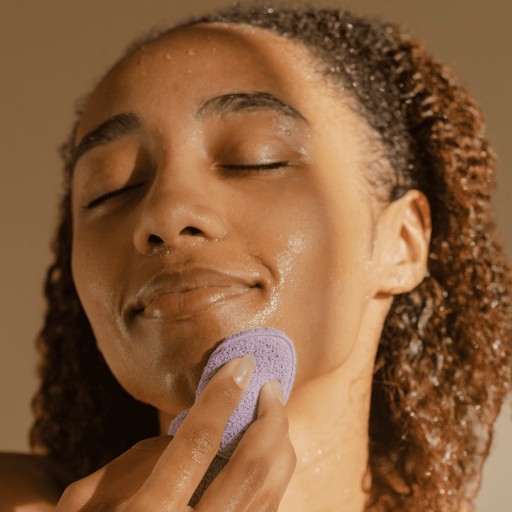
Common Cleansing Mistakes
When cleansing the skin, many people may fall into the following misunderstandings due to a lack of proper skin care knowledge:
Myth 1: Frequent cleaning can make the skin cleaner
Washing your face more than twice a day can damage your skin's natural barrier, especially when using powerful cleansing products, which can lead to dry and sensitive skin.
Myth 2: the more foam cleaning effect is better
Although rich foam cleansing products can bring a clean feeling, overuse may cause the skin's natural oils to be completely taken away, thus disrupting the skin's balance.
Myth 3: Washing with hot water cleanses pores better
Although hot water can temporarily open pores, the high temperature can irritate the skin surface, leading to damage to the skin barrier. Wash your face with hot water for a long time will also make your skin drier.
Myth 4: The more cleansing tools you use, the better
Tools such as face washing brushes and cleansing instruments can really improve cleaning efficiency, but overuse or too much strength can cause mechanical damage to the skin.
Myth 5: Oily skin needs deep cleaning
Many people think that oily skin needs repeated use of products with strong cleaning power, but in fact, excessive cleaning will stimulate oil secretion, forming a vicious cycle.
Myth 6: You don't need to clean again after removing makeup
Removing makeup only removes surface cosmetics and dirt, while deeper skin oils and pollutants still need to be cleansed twice.
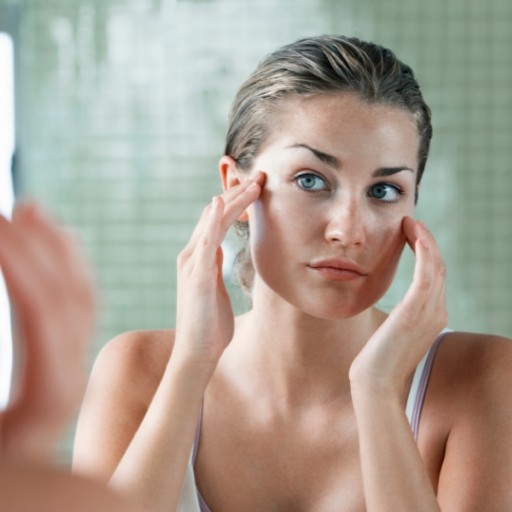
Correct Cleansing Method
To have healthy skin, proper cleansing is vital. Here are a few scientific suggestions for cleansing:
Control the frequency of cleaning
Cleansing once a day in the morning and once in the evening is enough to avoid washing your face too frequently. If your skin is in a dry condition, you can use water instead of cleansing products in the morning.
Choose a gentle cleanser
Choose the right cleanser for your skin type. For example, a moisturizing cleanser for dry skin and an oil-control cleanser for oily skin, but avoid products with strong alkaline ingredients.
Wash with warm water
Wash your face with lukewarm water close to your body temperature to clean your pores without irritating your skin.
Reduce the frequency of cleansing tools
If you use a face wash brush or cleanser, 1-2 times per week is sufficient to avoid excessive friction on the skin.
Pay attention to the strength of cleansing
Use gentle circular movements with your fingertips when cleansing, and do not rub your skin too hard to avoid damaging the skin barrier.
Timely hydration and moisturizing
After cleansing, the skin needs to replenish moisture and lock the moisture barrier in time, you can use lotion and moisturizer to complete this step.
Regularly adjust your skin care regimen
Adjust cleansing and skincare products according to the season, the environment and your own skin condition to meet the needs of different stages.

How to avoid over-cleansing?
Know your skin type
Dry, oily, combination or sensitive skin has different needs for cleansing and the choice of cleansing method should be based on your own skin type.
Observe skin signals
If your skin appears tight, dry, red or tingling, it may be a sign of over-cleansing and you should immediately reduce the frequency of cleansing or change to a gentler product.
Adopt healthy habits
Maintaining a regular routine, a balanced diet, moderate exercise and a good state of mind can help maintain healthy skin and reduce the burden of cleansing.
Avoid external sources of pollution
Try to avoid prolonged exposure to heavily polluted environments, such as dust and smoke, and use mild protective measures when necessary.
Cleansing is the foundation of skin care, but over-cleansing can bring about a series of skin problems. By avoiding cleansing misconceptions and mastering the correct cleansing methods, we can effectively protect the skin barrier and maintain the health and vitality of the skin.
In daily skincare, the key is to find a rhythm and method that suits you, and treat your skin in a gentle and scientific way, which is the secret to maintaining good skin quality for a long time.
 1
 1
OTHER NEWS
-
- 15 kinds of flowers suitable for summer
- By LH 31 Mar,2025

-
- Hydroponic plants, gardening tips
- By LH 02 Apr,2025

-
- How Organic Gardening Supplies Can Transform Your Garden And The Environment?
- By Prodosh Kundu 28 Oct,2024

-
- Growing For The Planet: How Sustainable Gardening Practices Can Help To Mitigate Climate Change
- By Prodosh Kundu 28 Oct,2024

-
- Planting Tips: Best Indoor Plants Recommendations and Care Guide
- By MTH 18 Feb,2025

-
- Here’s a complete guide on what you should prepare before planting your seeds.
- By Prodosh Kundu 18 Jul,2024

-
- Spring is here! Give Your Garden a New Look with These Gardening Tips
- By MTH 20 Feb,2025

-
- Is the smell of mowing the grass a distress signal from plants?
- By LH 21 Feb,2025

-
- The Five Best Flowers for Newbies to Keep Alive
- By MTH 14 Mar,2025

-
- How terrible are carnivorous plants?
- By LH 12 Mar,2025

-
- Do you know these secrets of plants?
- By LH 18 Feb,2025

-
- How to Choose the Best Lawn and Landscaping Services for Your Home
- By Prodosh Kundu 28 Aug,2024