Bones, Heart, Brain All Covered! Nutritious meals that seniors must eat
As seniors age, their physical functions decline and their nutritional needs become more specific. A well-rounded nutritious meal is essential for maintaining healthy bones, heart function, and brain power in seniors. In the following section, we'll go over a list of nutritious meals that can meet these needs in older adults.
Bone Health: The Perfect Pairing of Calcium and Vitamin D
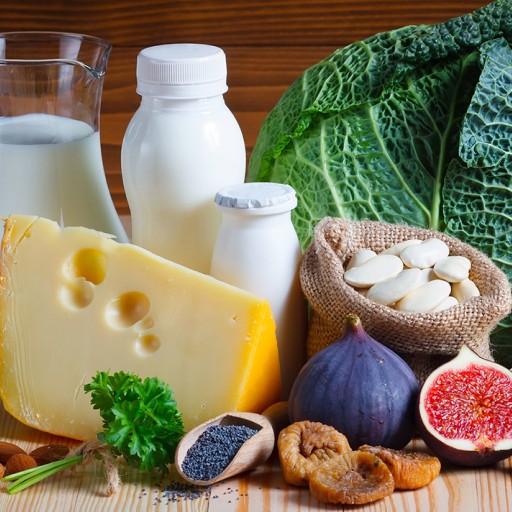
Bone health is an important quality of life for older adults. Bone loss accelerates with age, making seniors vulnerable to osteoporosis. Therefore, foods rich in calcium and vitamin D are an essential part of a nutritious meal.
Milk is a good source of calcium, containing about 104mg of calcium per 100g of milk, and it has the right ratio of calcium to phosphorus, which is easy to be absorbed by the body. Elderly people should consume 300 - 500 ml of milk per day.
Besides milk, soy products are also good sources of calcium. For example, tofu contains about 164mg of calcium per 100g. A homemade tofu casserole is not only tasty but also a good source of calcium for the elderly.
Vitamin D plays a key role in calcium absorption. Fish is rich in vitamin D, especially salmon, which contains 526 international units of vitamin D per 100 grams. In addition, sun exposure is a natural way to get vitamin D. It is recommended that older adults get 15 - 30 minutes of sun exposure each day when the sun is not too strong.
Heart Protection: Omega-3 Fatty Acids and Dietary Fiber Help
The heart is the “engine” of the human body, and older people need to take care of their heart health even more. omega-3 fatty acids have a significant protective effect on the heart.
Deep-sea fish such as cod and tuna are rich in Omega - 3 fatty acids. Cod, for example, contains about 0.5 grams of Omega-3 fatty acids per 100 grams of cod. These fatty acids can lower triglyceride levels in the blood, reducing the risk of atherosclerosis and thus protecting the heart. It is recommended that seniors consume deep-sea fish 2-3 times a week.
Dietary fiber is also beneficial to heart health. Whole grains such as oats and brown rice are rich in dietary fiber. Oats are not only rich in dietary fiber, but also contain beta-glucan, which helps lower cholesterol.
Consuming a bowl of oatmeal for breakfast every day provides satiety and is good for heart health. Vegetables and fruits are also a great source of dietary fiber, like broccoli and apples, and seniors should make sure they get enough of them every day.
Brain Maintenance: Antioxidants and Quality Protein Support
As they age, seniors experience a gradual decline in brain power and problems such as memory loss. Foods rich in antioxidants and high-quality proteins help maintain brain power in older adults.
Blueberries are a leader in antioxidants, rich in antioxidants such as anthocyanins, which scavenge free radicals and protect brain cells from oxidative damage.
Studies have shown that regular consumption of blueberries helps improve memory and cognitive performance in older adults. Consuming a small cup of blueberries every day can provide strong support to the brain.
Quality protein is essential for the proper functioning of the brain. Eggs are a good source of high-quality protein and also contain choline, a substance that is important for brain development and maintenance of function.
In addition, nuts, such as walnuts and almonds, are rich in high-quality protein, unsaturated fatty acids and vitamin E, which are very beneficial to brain health. However, since nuts are high in calories, the elderly should pay attention to moderation when consuming them.
Nutritional Meal Examples
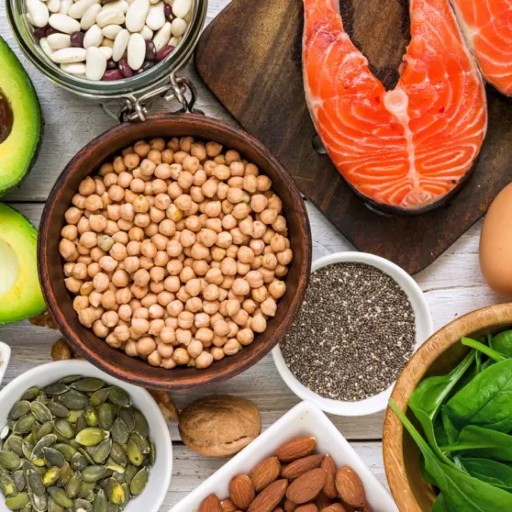
Breakfast: a cup of milk, a bowl of oatmeal, a poached egg and a serving of cold spinach. Milk and eggs provide high-quality protein, oatmeal is rich in dietary fiber and B vitamins, and spinach replenishes the body with vitamins and minerals, especially potassium.
Lunch: Pan-fried salmon, stir-fried tofu, brown rice. Salmon is rich in omega-3 fatty acids and high quality protein, tofu is a good source of calcium, and brown rice contains more nutrients than white rice, such as dietary fiber and B vitamins.
Dinner: diced chicken with walnuts, steamed cod, stir-fried seasonal vegetables (such as broccoli, carrots, etc.), sweet potatoes. Walnuts and cod provide nutrients for the brain, seasonal vegetables are rich in vitamins and dietary fiber, and sweet potatoes are a good source of carbohydrates and rich in dietary fiber.
In terms of cooking methods, one should try to choose light and easy-to-digest methods such as steaming, boiling, stewing and frying (using less oil), and avoid high oil and high fat cooking methods such as deep-frying and pan-frying.
At the same time, the diet of the elderly should follow the principle of eating fewer and more meals to avoid eating too much at one time to increase the burden on the stomach and intestines.
The health of the elderly is a valuable asset to the family and society. Through a proper diet that provides comprehensive nutritional support for bones, heart and brain power, older people can still have a healthy body and positive attitude towards life in their twilight years.
Let's start at the dinner table and use nutrition to protect the health of the elderly, so that their lives can blossom with more splendor. Whether it's the careful cooking of family members or the community's attention to healthy eating for seniors, it will all add up to a powerful force that will help seniors move forward to a better life in their old age.
Dietary Considerations
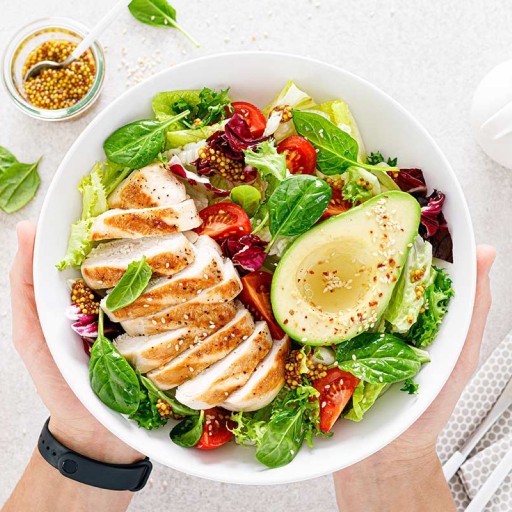
Although this nutritious meal is very beneficial to the health of the elderly, there are some precautions to be taken during the diet. First of all, the digestive function of the elderly is relatively weak, the diet should follow the principle of small meals and avoid eating too much at one time.
Secondly, food should be cooked in a way that is as light and easy to digest as possible, such as steaming, boiling, stewing, etc., and reduce high oil and high fat cooking methods such as deep-frying and pan-frying. In addition, the elderly should pay attention to the diversity of diet to ensure the comprehensive intake of various nutrients.
Healthy diet for the elderly is a comprehensive issue that needs to be considered from various aspects.
Providing a nutritious meal rich in calcium, vitamin D, Omega-3 fatty acids, dietary fiber, antioxidants and high quality proteins can go a long way towards improving the quality of life of older adults by providing them with the right combination of foods for their bone, heart and brain health. Let's start with our diet and take care of the health of the elderly in our homes.
 1
 1
OTHER NEWS
-
- Growing For The Planet: How Sustainable Gardening Practices Can Help To Mitigate Climate Change
- By Prodosh Kundu 28 Oct,2024

-
- Here’s a complete guide on what you should prepare before planting your seeds.
- By Prodosh Kundu 18 Jul,2024
-
- 15 kinds of flowers suitable for summer
- By LH 31 Mar,2025

-
- What are the most ugly plants in the gardening world?
- By LH 09 Apr,2025

-
- The natural choice for indoor air purification five high-quality greenery recommendations
- By YL 14 Mar,2025

-
- Hydroponic plants, gardening tips
- By LH 02 Apr,2025
-
- Is the smell of mowing the grass a distress signal from plants?
- By LH 21 Feb,2025
-
- Spring is here! Give Your Garden a New Look with These Gardening Tips
- By MTH 20 Feb,2025

-
- From planting to caring for flowers that bloom forever
- By MTH 10 Mar,2025

-
- How Organic Gardening Supplies Can Transform Your Garden And The Environment?
- By Prodosh Kundu 28 Oct,2024
-
- Planting Tips: Best Indoor Plants Recommendations and Care Guide
- By MTH 18 Feb,2025

-
- How do you control pests and diseases in your garden
- By YL 12 Mar,2025