Reasons for cold hands and feet and ways to regulate them
Cold hands and feet, especially in the fall and winter seasons, are a problem faced by many people. This is not only a natural reaction to temperature changes, but may be a sign of certain dysfunctions in the body.
Cold hands and feet not only affect comfort, but may also cause inconvenience in daily life, and in serious cases, may even affect your health. Therefore, it is especially important to understand the causes of cold hands and feet, and take effective methods to regulate them.
Common causes of cold hands and feet
Cold hands and feet are not a single symptom, it can be caused by a variety of reasons. Common factors include:
Cold environment: when the outside temperature is low, the body prioritizes keeping the core of the body warm in order to maintain the core temperature, thus blood flow to the peripheral areas is reduced, resulting in cold hands and feet.
Poor blood circulation: Poor blood circulation is one of the main causes of cold hands and feet. If blood vessels constrict or blood flow slows down, it affects the delivery of blood to the hands and feet, resulting in lower temperatures in the extremities.
Anemia: In anemia, the blood does not contain enough red blood cells and hemoglobin to effectively transport oxygen and nutrients throughout the body, which can easily cause cold hands and feet.
Hypothyroidism: The hormones secreted by the thyroid gland play an important role in regulating metabolism and maintaining body temperature. When the thyroid gland is hypothyroid, the body temperature regulation function is impaired, and the symptom of cold limbs often occurs.
Endocrine disorders: Abnormalities in the endocrine system, especially in women during the menstrual cycle, pregnancy or menopause, where hormone levels fluctuate, may lead to impaired blood circulation, which in turn triggers cold hands and feet.
Emotional factors: Negative emotions such as prolonged psychological stress, anxiety and nervousness may lead to over-excitement of the sympathetic nervous system, which in turn triggers vasoconstriction, making the supply of blood to the extremities decrease, leading to cold hands and feet.
Problems with lifestyle habits: Habits such as being sedentary for a long time, not exercising, and eating an unbalanced diet can lead to poor blood circulation and affect the temperature of the hands and feet.
Effects of cold hands and feet
Although cold hands and feet are not necessarily a direct sign of disease, their prolonged presence, if ignored, may lead to other health problems. Chronic cold hands and feet may lead to the following effects:
Decreased immunity: Poor blood circulation will affect the delivery of immune cells, leading to weakened immune function and susceptibility to colds or other diseases.
Slowing down of metabolism: poor body temperature regulation may affect the efficiency of metabolism, which in turn leads to decreased energy expenditure of the body, making it easy to feel tired and weak.
Decreased sleep quality: Cold hands and feet may make it difficult to fall asleep, affecting the quality of sleep and further leading to mental sluggishness and physical discomfort.
Numbness and stiffness of limbs: prolonged insufficient blood supply may cause numbness and stiffness in the hands and feet, affecting mobility and dexterity.
Effective ways to regulate cold hands and feet
Conditioning cold hands and feet is not complicated, and the symptoms can be significantly improved with lifestyle adjustments and some effective self-care. Here are some common and effective ways to regulate them:
Keep warm and avoid cold stimuli
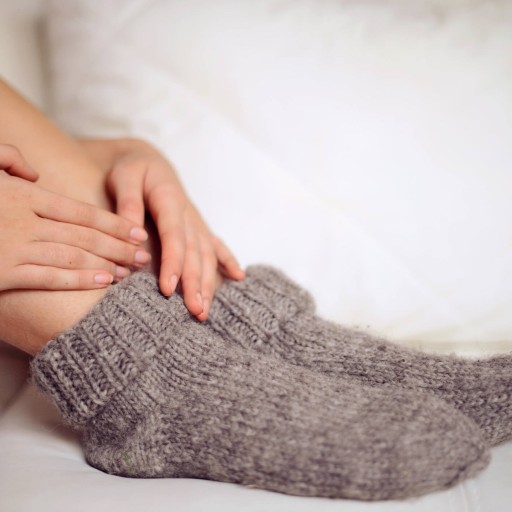
First, make sure your environment is warm, especially in the fall and winter. You can wear warm clothing, such as thick socks and gloves, to avoid being exposed to the cold air. At the same time, avoid prolonged exposure to the cold, especially the lower limbs and hands.
Appropriate Exercise
Exercise is an effective way to promote blood circulation. A moderate amount of aerobic exercise, such as brisk walking, running, swimming and yoga, can improve blood flow throughout the body and enhance the heart's ability to pump blood, thus improving the symptoms of cold hands and feet.
In particular, morning running and morning exercise can effectively stimulate blood circulation throughout the body and help keep the body warm at the start of the day.
Massage and hot compresses
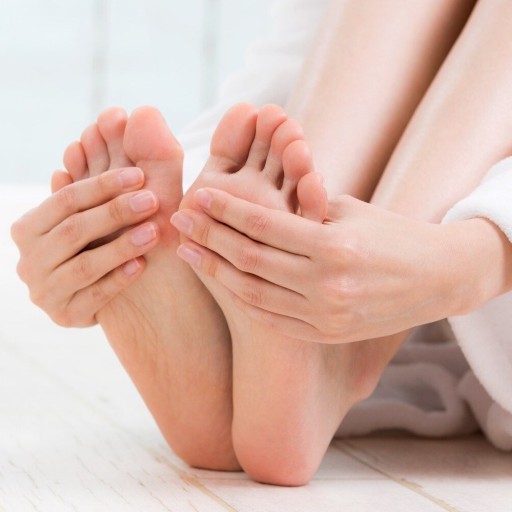
Regular massage of the hands and feet can promote local blood circulation. By applying acupressure and kneading the palms of the hands and soles of the feet, you can promote blood flow and relieve the symptoms of coldness.
Hot compresses are also an effective way to warm up your hands and feet, especially in cold weather, by using hot water bags and soaking your feet in warm water.
Improve your diet
Diet is very important in regulating cold hands and feet. It is important to maintain a balanced diet and add foods that have a warming effect on yang, such as ginger, cinnamon, red dates, mutton and beef.
These foods can warm the yang energy in the body and enhance the body's ability to resist cold. At the same time, maintain a reasonable work and rest schedule and avoid excessive fatigue in order to ensure the overall health of the body.
Quit smoking and limit alcohol
Tobacco and alcohol are the “enemy” of blood vessels, they will cause vasoconstriction, resulting in poor blood flow, further aggravating the symptoms of cold hands and feet. Therefore, quitting smoking and limiting alcohol is an important measure to improve this problem.
Maintain a good mental state
Chronic stress and mood swings can lead to over-excitement of the sympathetic nerves, resulting in cold hands and feet. Therefore, maintaining a positive and optimistic state of mind, learning to relax and de-stress, and avoiding negative emotions such as anxiety and tension can help improve blood circulation and relieve the symptoms of cold hands and feet.
Maintain a regular schedule
Maintaining a regular work and rest schedule can help your body regulate its biological clock, enhance metabolism and improve blood circulation. It is recommended to keep a regular schedule and get enough sleep every day, which helps to enhance the body temperature regulation function and reduce the phenomenon of cold hands and feet.
Get more sunshine and vitamin D supplements
The ultraviolet rays in sunlight can help the body synthesize vitamin D. Vitamin D is very important for promoting calcium absorption, enhancing immunity and bone health. And the warmth of the sun can also directly help raise your body's temperature. Therefore, try to take time out of your day to move around in the sunshine, which can effectively improve cold hands and feet.
Cold hands and feet are more than just an external manifestation; they can be a warning sign of good health. By improving lifestyle habits, increasing exercise, paying attention to diet and other conditioning methods, most people can effectively alleviate this symptom.
If symptoms of cold hands and feet persist or are accompanied by other health problems, it is advisable to seek professional medical advice. A healthy lifestyle and a scientific regimen can help us stay away from cold hands and feet and keep our bodies warm and comfortable.
 1
 1
OTHER NEWS
-
- Sustainable Gardening Starts With Organic Supplies
- By Prodosh Kundu 28 Oct,2024

-
- Vigilance! Keeping these kinds of plants indoors may harm your health
- By ZYY 09 Apr,2025
-
- How do you control pests and diseases in your garden
- By YL 12 Mar,2025
-
- Hydroponic plants, gardening tips
- By LH 02 Apr,2025

-
- How Organic Gardening Supplies Can Transform Your Garden And The Environment?
- By Prodosh Kundu 28 Oct,2024

-
- From planting to caring for flowers that bloom forever
- By MTH 10 Mar,2025

-
- Spring is here! Give Your Garden a New Look with These Gardening Tips
- By MTH 20 Feb,2025

-
- 15 kinds of flowers suitable for summer
- By LH 31 Mar,2025

-
- Planting Tips: Best Indoor Plants Recommendations and Care Guide
- By MTH 18 Feb,2025

-
- How to Choose the Best Lawn and Landscaping Services for Your Home
- By Prodosh Kundu 28 Aug,2024

-
- The natural choice for indoor air purification five high-quality greenery recommendations
- By YL 14 Mar,2025

-
- Here’s a complete guide on what you should prepare before planting your seeds.
- By Prodosh Kundu 18 Jul,2024