Cardiovascular Disease, High Blood Sugar, Essential Knowledge for Elderly Health Management
With age, the physical functions of the elderly gradually decline, and the risk of various chronic diseases increases. Among them, cardiovascular and cerebrovascular diseases and hyperglycemia have become two major “strong enemies” threatening the health of the elderly.
In-depth knowledge of these diseases and active health management are of great significance in enhancing the quality of life and prolonging the life span of the elderly.
Cardiovascular and cerebrovascular diseases: hidden health killers
Disease Overview
Cardiovascular and cerebrovascular disease is a collective term for cardiovascular and cerebrovascular diseases, mainly including coronary heart disease and stroke.
When coronary heart disease strikes, patients will have crushing pain in the chest, and the pain often radiates to the precordial area and the back of the shoulder, usually lasting 3-5 minutes.
Stroke is divided into ischemic and hemorrhagic two kinds, the former is mostly manifested as a sudden weakness of one side of the limbs, slurred speech, and crooked corners of the mouth, and the latter is often accompanied by severe headache, vomiting, and impaired consciousness and other symptoms.
Hazards and current situation
Cardiovascular and cerebrovascular diseases are characterized by high morbidity, high disability and high mortality. In China, the number of people passing away due to cardiovascular and cerebrovascular diseases is up to millions every year.
For example, in some tertiary hospitals in big cities, the departments of cardiovascular and cerebrovascular diseases are chronically overcrowded, with a large number of patients coming to the clinic every day.
Not only that, even if they are lucky enough to survive, a large proportion of patients have different degrees of disability, bringing a heavy burden to the family and society.
Overseas, Europe and the United States are also facing the serious challenge of cardiovascular and cerebrovascular diseases, such as the United States, the annual medical expenditure due to cardiovascular and cerebrovascular diseases is huge, and the number of patients is on the rise year by year.
Key Points for Prevention
To prevent cardiovascular and cerebrovascular diseases, the elderly should start from various aspects. In terms of diet, it is necessary to reduce the intake of saturated fat and cholesterol, eat more vegetables, fruits, whole grains and fish, and strictly control the daily salt intake within 6 grams.
This is because a high-salt diet will lead to higher blood pressure and increase the burden on the heart. In terms of exercise, at least 150 minutes of moderate-intensity aerobic exercise per week, such as brisk walking, jogging, playing tai chi, etc.
Exercise can promote blood circulation and strengthen the heart. Exercise can promote blood circulation and enhance cardiopulmonary function. Meanwhile, smoking is an important risk factor for cardiovascular and cerebrovascular diseases, and it is urgent to quit smoking.
Long-term smoking will damage the walls of blood vessels and increase the risk of thrombosis. Alcohol consumption should be limited to no more than 25 grams of alcohol per day for men and no more than 15 grams for women.
In addition, to maintain a healthy body mass index (BMI), weight control in a reasonable range is also very critical, obesity will aggravate the burden on the heart, triggering hypertension, high blood pressure, high blood cholesterol and other diseases, which in turn increase the incidence of cardiovascular and cerebrovascular disease.
High Blood Sugar: The Crisis Behind the Sweetness
Symptoms and hazards
Early symptoms of hyperglycemia may not be obvious, but with the development of the disease, there will be the typical symptoms of “three more and one less”, such as drinking more, eating more, urinating more and losing weight, and some patients may also have symptoms such as itching of the skin, blurring of vision, numbness or tingling of the hands and feet, etc.
Prolonged hyperglycemia will affect the blood vessels of the whole body. Prolonged hyperglycemia will cause damage to blood vessels and nerves throughout the body, triggering serious complications such as diabetic nephropathy, diabetic retinopathy, diabetic neuropathy, etc.
Which greatly affects the quality of life of patients, and may even lead to blindness, renal failure, amputation and other serious consequences. According to statistics, about one-third of diabetic patients will develop diabetic nephropathy of different degrees, which may eventually develop into kidney failure.

Prevention and control
To prevent and control hyperglycemia, the elderly should follow the dietary principles of low sugar and high fiber, reasonably control the intake of carbohydrates, scientifically distribute three meals, and increase the intake of dietary fiber.
Dietary fiber can slow down the absorption of carbohydrates and help stabilize blood glucose. In terms of exercise, at least 150 minutes of aerobic exercise per week, such as walking, swimming, cycling, etc., can also be combined with strength training to enhance insulin sensitivity and lower blood glucose.
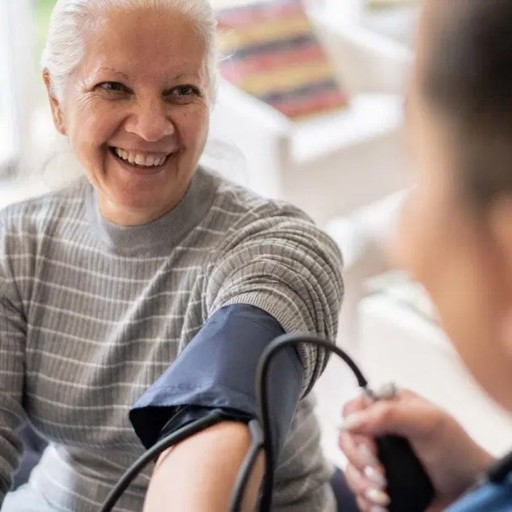
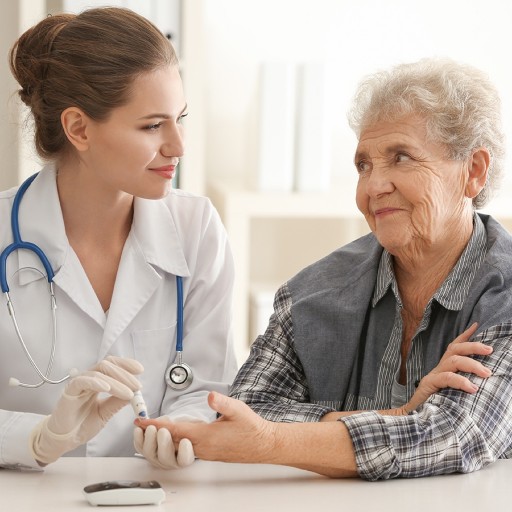
Regular monitoring of blood glucose is especially important, especially for those with a family history of diabetes, obesity, high blood pressure and other high-risk factors.
If you have been diagnosed with diabetes, it is important that you take your medication or insulin injections in strict accordance with your doctor's instructions, and do not increase or decrease the amount of medication or stop taking it at will.
Nowadays, with the development of medical technology, some new hypoglycemic drugs and insulin injection devices are emerging, which bring more convenience and better treatment effect for diabetic patients.
Comprehensive Strategies for Health Management of the Elderly
Regular physical examination
Regular physical examination is an important means of detecting potential health problems. Physical examination programs should be comprehensive, including blood pressure, blood glucose, blood lipids, electrocardiogram, and cardiac ultrasound, in order to detect and intervene in abnormal situations in a timely manner.
For example, by checking blood lipids on a regular basis, the problem of high blood lipids can be detected in time, and measures such as dietary adjustments or medication can be taken to prevent cardiovascular and cerebrovascular diseases.
Mental health
Mental health should also not be neglected. Adverse emotions such as loneliness, anxiety and depression will have a negative impact on the endocrine system and immune system, increasing the risk of diseases. Family members should provide more companionship to the elderly, encourage them to actively participate in social activities and maintain an optimistic mindset.
In some communities, activity centers for the elderly are organized and various interest groups are conducted to give the elderly opportunities to communicate and interact and enrich their lives, which plays a positive role in improving the mental health of the elderly.
Medication safety
Medication safety is of paramount importance. Older people usually suffer from a variety of diseases and need to take a variety of medications.
So it is important to take medications strictly according to the doctor's instructions, on time and in accordance with the dosage, in order to avoid drug interactions and adverse reactions, and at the same time, the medications should be properly preserved, so as to prevent the medications from deteriorating.
Some elderly people have poor memory and tend to forget the time or dosage of their medication, which can be reminded with the help of some intelligent devices to ensure that they take their medication on time.
Living environment
The living environment also has a great impact on the health of the elderly, and it is necessary to maintain a safe and comfortable living environment. The floor should be dry and non-slippery, and furniture should be placed in a reasonable way to avoid the elderly falling down.
Pay attention to indoor air circulation, and maintain appropriate temperature and humidity to create a good living space for the elderly. In some communities with ageing-friendly renovation, handrails will be installed in hallways and bathrooms, and non-slip materials will be used on the floor, greatly reducing the risk of falls among the elderly.
Cardiovascular and cerebrovascular diseases and high blood sugar pose a serious threat to the health of the elderly, but as long as we raise our health awareness, acquire scientific knowledge of health management and take active action, we can effectively prevent and control these diseases.
Let's work together to build a strong defense for the health of the elderly so that they can have a healthy and happy old age.
 1
 1
OTHER NEWS
-
- Have you ever seen a magical plant that can grow by drinking air?
- By LH 14 Mar,2025
-
- Sustainable Gardening Starts With Organic Supplies
- By Prodosh Kundu 28 Oct,2024

-
- Growing For The Planet: How Sustainable Gardening Practices Can Help To Mitigate Climate Change
- By Prodosh Kundu 28 Oct,2024

-
- Is the smell of mowing the grass a distress signal from plants?
- By LH 21 Feb,2025

-
- How terrible are carnivorous plants?
- By LH 12 Mar,2025

-
- 15 kinds of flowers suitable for summer
- By LH 31 Mar,2025

-
- The natural choice for indoor air purification five high-quality greenery recommendations
- By YL 14 Mar,2025

-
- From planting to caring for flowers that bloom forever
- By MTH 10 Mar,2025

-
- Do you know these secrets of plants?
- By LH 18 Feb,2025

-
- Planting Tips: Best Indoor Plants Recommendations and Care Guide
- By MTH 18 Feb,2025

-
- What are the most ugly plants in the gardening world?
- By LH 09 Apr,2025

-
- Spring is here! Give Your Garden a New Look with These Gardening Tips
- By MTH 20 Feb,2025