How to Reduce Winter Fall Risk Providing Thorough Protection for Older Adults
Winter's cold weather and slippery surfaces put older adults at greater risk for falls. As seniors age, their balance and bone density gradually decline, putting them at a higher risk of falling in snow and ice.
Falls may not only cause serious fractures and head injuries, but may also lead to psychological trauma, affecting the quality of life and independence of the elderly. Therefore, it is critical to take effective measures to prevent falls.
Understanding the causes of winter falls
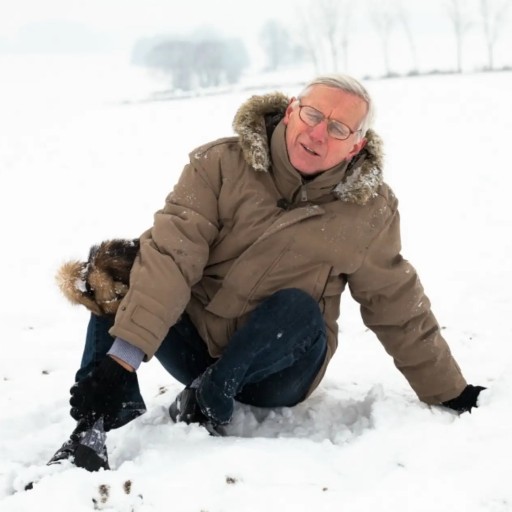
The causes of winter falls are mainly related to the weather, the environment and the physiological conditions of the elderly. In winter, snow and ice are immediate causes of falls. Icy roads or surfaces may allow older adults to accidentally slip and fall while walking, especially if they are unprotected.
Changes in an older person's body are also a major factor in fall risk. As we age, deterioration of bones and joints, loss of balance, and diminished vision may make older adults more unstable when walking in the winter.
In addition, many older adults also have chronic medical conditions, such as arthritis and diabetes, which themselves or the medications used to treat them may affect strength and coordination, increasing the risk of falls.
Improving safety at home
The risk of falls in winter is not limited to outdoor environments; safety in the home should not be overlooked as well. Seniors' living environments should undergo some necessary modifications and inspections to minimize the occurrence of fall accidents.
First, make sure the floor of your living area is level and avoid the presence of uneven floors or loose floor tiles. For smooth floors such as tiles and wooden floors, consider installing non-slip mats, especially in high-frequency use areas such as bathrooms, kitchens and stairs. Ensure that these areas are brightly lit to avoid seniors stepping on them due to vision problems.
In the home, especially in the bathroom and toilet, make sure there are adequate grab bars. Grab bars installed in the shower area or next to the bathtub can help seniors maintain their balance while bathing. It's also a good idea to choose non-slip materials for bathroom floors or use non-slip mats to prevent slipping hazards from moisture and humidity.
If there are stairs in the home, it is important to ensure that each step of the staircase is well lit and that the surface of the steps is not slippery. Handrails should be firm and dependable, and it's a good idea to use bright colors or reflective tape on the stairs so that older adults can clearly see each step.
Outdoor Slip Resistance and Gait Adjustment
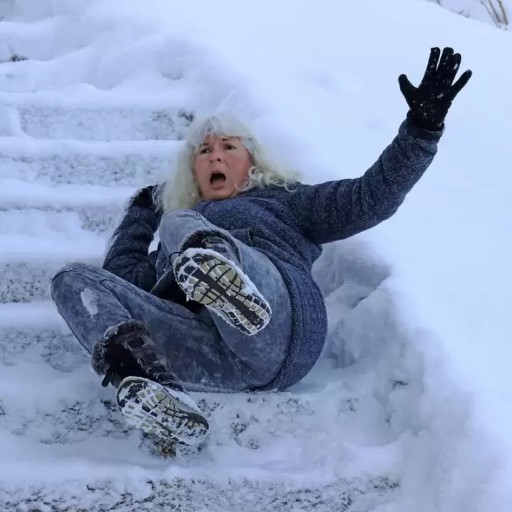
The most important thing to keep in mind when traveling in the winter is to be aware of changes in the ground and dress choices. In snow and ice, seniors should avoid going outside, especially in areas that are not cleared of snow and ice. If they must go outside, they can choose to wear non-slip shoes or boots, which usually have a strong grip and can effectively prevent slips and falls.
When walking on snow or ice-covered surfaces, older adults should try to maintain a steady pace and avoid walking quickly or making sudden turns. Walking slowly and steadily can help maintain balance and reduce the chance of falling.
Also, try to avoid stuffing your hands in your pockets when walking, as the risk of falling is greater when your hands cannot be supported. If conditions permit, seniors can use a cane or walker to provide support and increase stability.
Enhance Physical Exercise and Balance Training
Elderly people can reduce the risk of falling by enhancing their body coordination, flexibility and balance through regular physical exercise. Proper exercise not only improves muscle strength, but also improves bone health and helps prevent injuries from falls.
Balance training is especially important. Stability can be improved through standing exercises, gait training and simple gymnastics. For example, actions such as standing and walking in a straight line and standing on one foot can help train a sense of balance.
In addition, tai chi and yoga are great workouts for seniors, as they not only improve flexibility and strength, but also focus and mental health.
Complementing this is the strengthening of core muscle groups. Strengthening core muscle groups enhances postural stability in older adults and reduces the risk of falls due to poor posture. Core muscle groups can be exercised through moderate crunches, bridges, and other movements.
Improve diet and supplementation
An indirect factor in winter falls is the fragility of bones in the elderly. As we age, the body's bone density gradually decreases and the risk of fractures increases accordingly. Therefore, older adults should pay special attention to the intake of calcium and vitamin D in their diet, which are essential for maintaining bone health.
Calcium is the basic element for building bones, and the elderly should consume enough of it. Common calcium-rich foods include milk, yogurt, cheese, green leafy vegetables and tofu. In addition, sunlight is an important source of vitamin D.
Elderly people should sunbathe properly in winter to help their bodies synthesize vitamin D. If conditions do not permit, vitamin D supplements can also be used to promote calcium absorption and maintain bone strength.
In addition to calcium and vitamin D, older adults should also make sure to consume enough protein and other vitamins to support muscle and joint health. A good diet can help improve the overall health of older adults, which increases resistance and reduces the risk of injury.
Winter is a season that requires special attention for the elderly. By taking effective protective measures, not only can we reduce the risk of falls, but we can also improve the independence and self-confidence of older people's lives.
Improving home safety, choosing the right gait and dress, enhancing physical fitness and bone health, and maintaining mental well-being are all important fall prevention measures.
Every older person deserves to receive thorough care and attention, and to have a safe and comfortable winter with the support of their family and community. With scientifically based protective measures, seniors can reduce the risk of falls and continue to enjoy a full and independent life.
 1
1 1
1OTHER NEWS
-
- Vigilance! Keeping these kinds of plants indoors may harm your health
- By ZYY 09 Apr,2025
-
- The Five Best Flowers for Newbies to Keep Alive
- By MTH 14 Mar,2025

-
- How do you control pests and diseases in your garden
- By YL 12 Mar,2025
-
- Sustainable Gardening Starts With Organic Supplies
- By Prodosh Kundu 28 Oct,2024
-
- Hydroponic plants, gardening tips
- By LH 02 Apr,2025
-
- Is the smell of mowing the grass a distress signal from plants?
- By LH 21 Feb,2025
-
- How Organic Gardening Supplies Can Transform Your Garden And The Environment?
- By Prodosh Kundu 28 Oct,2024
-
- Spring is here! Give Your Garden a New Look with These Gardening Tips
- By MTH 20 Feb,2025
-
- From planting to caring for flowers that bloom forever
- By MTH 10 Mar,2025

-
- How to Choose the Best Lawn and Landscaping Services for Your Home
- By Prodosh Kundu 28 Aug,2024

-
- Have you ever seen a magical plant that can grow by drinking air?
- By LH 14 Mar,2025

-
- How terrible are carnivorous plants?
- By LH 12 Mar,2025