Breast health warning! What are the differences between breast nodules, hyperplasia, and cysts?
In today's fast-paced life, more and more women see the words "breast nodules", "breast hyperplasia" or "breast cysts" on their physical examination reports, and their heartbeats speed up and they become anxious. What are they? Do they mean a precursor to breast cancer?
Today, we will unveil the mystery of breast health, so that you can truly understand your breast condition and achieve early detection, early prevention, and early management!
What are breast nodules, breast hyperplasia, and breast cysts?
1. Breast nodules: "unknown things" hidden in the breast
Breast nodules, in simple terms, are abnormal small lumps that appear inside the breast tissue. They can be solid or cystic (containing fluid). They vary in size, texture, and shape. Some can be felt, and some need to be discovered with the help of B-ultrasound or molybdenum target examination.
Most breast nodules are benign, and common types include fibroadenomas and hyperplastic nodules, but some may be related to malignant tumors, so regular check-ups are very important.
Simply put, breast nodules are small masses with one or more abnormalities in breast tissue, which may be benign or malignant. Therefore, it can be a "silent friend" or a "potential enemy."
Causes of breast nodules
Fluctuations in hormone levels: Imbalances in estrogen and progesterone can lead to abnormal proliferation of breast tissue.
Long-term stress: Emotional tension and anxiety can affect endocrine and increase the incidence of nodules.
Poor diet: A high-fat, high-sugar diet can affect hormone metabolism in the body and promote the formation of nodules.
How to determine the risk of breast nodules?
Doctors usually use B-ultrasound and molybdenum target X-rays to determine the nature of nodules. Generally speaking:
Benign nodules: clear, smooth, and movable boundaries, usually no surgery is required, only regular observation is required.
Malignant nodules: irregular shapes, blurred boundaries, and obvious calcification points may be signs of cancer and require further examination.
If your physical examination report says "breast nodules", don't panic, just follow the doctor's advice for regular checkups.
2. Breast hyperplasia: "overreaction" of the breast
Breast hyperplasia is not actually a disease, but an abnormal proliferation of breast tissue under hormone stimulation. It is often accompanied by symptoms such as breast pain and breast distension, especially in the early stages of menstruation.
Hyperplasia does not directly lead to breast cancer, but some atypical hyperplasia may increase the risk of breast cancer, so it needs close attention.
Breast hyperplasia is not actually a disease, but an overreaction of breast tissue to hormonal changes in the body. Many women feel breast distension a few days before menstruation, which is mild breast hyperplasia.
Common symptoms of breast hyperplasia
Breast distension, especially before and after menstruation
The breast feels like small lumps or cords of tissue
Sometimes a local lump can be felt, but it moves slightly when pressed

Causes of breast hyperplasia
Endocrine disorders: staying up late for a long time and irregular work and rest will affect the hormone level in the body and induce breast hyperplasia.
Excessive stress: Mental stress and mood swings can interfere with estrogen secretion and lead to thickening of breast tissue.
Improper diet: Frequent intake of high-fat, high-sugar, and high-caffeine foods can stimulate excessive proliferation of breast tissue.
How to relieve breast hyperplasia?
Adjust your work and rest schedule: Go to bed early and get up early, and reduce staying up late.
Adjust your diet: Eat less fried foods and increase soy products (such as soy milk and tofu) to help regulate estrogen levels.
Relax: Yoga, meditation, and proper exercise can help relieve stress.
Usually, breast hyperplasia will not turn into cancer, but if accompanied by symptoms such as persistent breast pain, gradual enlargement of lumps, and nipple discharge, you need to see a doctor as soon as possible.
3. Breast cysts: "small blisters" in the breast
Breast cysts are small vesicles formed by the accumulation of internal fluid after the breast ducts are blocked. They are usually benign and may feel like a small water ball. They can slide when pressed and sometimes get bigger or smaller during the menstrual cycle.
Simple breast cysts will not become malignant, but if calcification and thickening occur inside the cyst, further examination is required.
Breast cysts can be understood as "bubbles" in breast tissue, which are filled with fluid. They are usually benign and will not affect health, but if the cyst is too large or recurs frequently, you need to pay attention.
Causes of breast cyst formation
The breast duct is blocked, resulting in the inability to discharge breast fluid, which accumulates to form cysts.
Hormone fluctuations in the body, especially changes in estrogen levels, can stimulate breast tissue to produce cysts.
Eating high-sugar and high-fat foods for a long time increases the metabolic burden of breast tissue.
How to determine whether breast cysts need treatment?
Cysts smaller than 1cm: usually harmless, only regular examinations are required.
Larger or symptomatic cysts: If the cyst is large (>3cm) or accompanied by obvious pain, a doctor may need to intervene, such as puncture drainage or surgical removal.
How to prevent breast cysts?
Drink less caffeinated beverages (such as coffee, strong tea) to avoid irritating the breast.
Adhere to breast self-examination once a month to observe whether there are any abnormal changes.
Maintain a good attitude, reduce anxiety, and balance the hormone levels in the body.
Why do breast nodules, hyperplasia and cysts occur?
The root cause of breast problems is mostly inseparable from the fluctuation of hormone levels, especially the imbalance of estrogen and progesterone. This hormone change may be affected by the following factors:
Long-term stress: anxiety, staying up late, and mood swings can affect endocrine, leading to breast hyperplasia or nodules.
Dietary habits: High-fat and high-sugar diets will increase the estrogen burden and increase the risk of breast problems.
Reproductive history: Women who have not given birth or have given birth late have a relatively high incidence of breast problems.
Genetic factors: If there is a history of breast disease in the family, the risk of disease may be higher.
How to manage breast health?
1. Eat a healthy diet to reduce breast burden
Eating more foods rich in dietary fiber, such as vegetables, fruits, and whole grains, can help reduce estrogen overstimulation.
Eat less high-fat and high-sugar foods, such as fried chicken, desserts, and milk tea, so as not to increase breast fat accumulation.
Eat beans (such as soy milk) in moderation. Soy isoflavones help balance estrogen.
2. Adjust your lifestyle to maintain a balance between body and mind
Work and rest regularly, avoid staying up late, and lack of sleep can lead to endocrine disorders.
Moderate exercise, such as brisk walking, yoga, and swimming, can help regulate hormones.
Learn to relax, such as meditation, listening to music, and taking a hot bath to relieve stress.
3. Regular physical examinations, early detection and early intervention
Women aged 20-40: It is recommended to have a breast B-ultrasound examination once a year.
Women over 40: In addition to B-ultrasound, it is recommended to have a regular mammography examination to check for signs of breast cancer.
When abnormalities are found, seek medical attention in time and do not delay.
The Golden Rule of Breast Health
1. Don't be anxious or panic: Most breast nodules, hyperplasia, and cysts are benign. Stay calm and regular check-ups are the most important.
2. Develop a habit of self-examination: Perform a breast self-examination once a month, focusing on observing changes in breast shape, skin, and nipples.
3. Eat a balanced diet and exercise moderately: Diet and exercise can effectively improve hormone levels and reduce the incidence of breast problems.
4. Stay away from unhealthy habits: drink less, don't stay up late, reduce caffeine intake, and reduce the risk of hormone disorders.
Conclusion: Be your own breast guardian!
Breast health is a topic that women need to pay attention to throughout their lives. Whether it is breast nodules, hyperplasia or cysts, as long as we treat it scientifically, check it regularly, and maintain a healthy lifestyle, in most cases it will not have a major impact on life. I hope every woman can become the "guardian" of her own breast and embrace a healthy and beautiful life!
Love yourself, starting with breast health!
 1
1 1
1OTHER NEWS
-
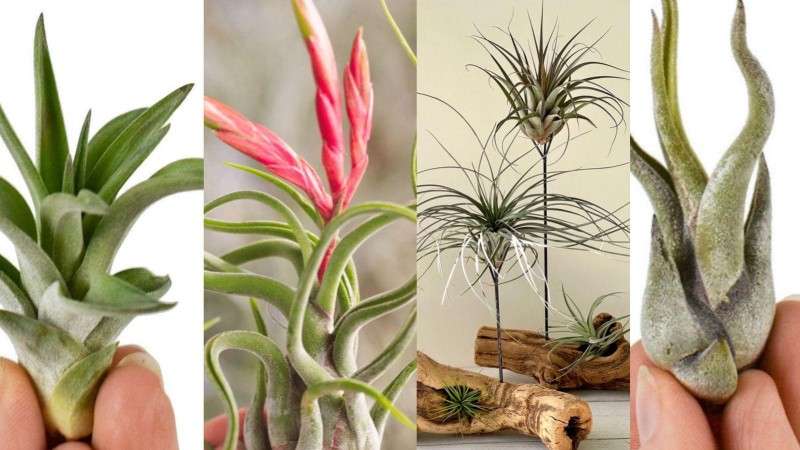
- Have you ever seen a magical plant that can grow by drinking air?
- By LH 14 Mar,2025
-
- The natural choice for indoor air purification five high-quality greenery recommendations
- By YL 14 Mar,2025
-
- Spring is here! Give Your Garden a New Look with These Gardening Tips
- By MTH 20 Feb,2025

-
- Is the smell of mowing the grass a distress signal from plants?
- By LH 21 Feb,2025

-
- How do you control pests and diseases in your garden
- By YL 12 Mar,2025

-
- Planting Tips: Best Indoor Plants Recommendations and Care Guide
- By MTH 18 Feb,2025

-
- 15 kinds of flowers suitable for summer
- By LH 31 Mar,2025
-
- Here’s a complete guide on what you should prepare before planting your seeds.
- By Prodosh Kundu 18 Jul,2024
-
- Do you know these secrets of plants?
- By LH 18 Feb,2025
-
- How Organic Gardening Supplies Can Transform Your Garden And The Environment?
- By Prodosh Kundu 28 Oct,2024

-
- What are the most ugly plants in the gardening world?
- By LH 09 Apr,2025
-
- Sustainable Gardening Starts With Organic Supplies
- By Prodosh Kundu 28 Oct,2024