Lack of water hurts the body, the consequences are really not small!
Water is the source of life, everyone can not live without water every day. However, many people do not develop a good habit of drinking water, and even use coffee, carbonated drinks or sports drinks instead of water.
In fact, while these drinks can provide a short-lived sense of satisfaction, they can't really replenish the water your body needs, and may even pose additional health risks.
Long-term dehydration affects the body far more than we can imagine; it not only makes people feel tired and dizzy, but may even lead to more serious health problems, such as kidney stones, indigestion, and blood pressure fluctuations.
Today, let's talk about why we need to drink water, what benefits water has on the body, what health risks there are if you drink too little water, and how to hydrate scientifically.
Why drink water?
1. Most of the human body is water
About 60% of the human body is water, the brain water content is as high as 75%, blood water is close to 90%! Water plays a vital role in the human body, helping to transport nutrients, regulate body temperature, lubricate joints, and expel waste. If you don't have enough water in your body, your body's functioning will be hindered, and even lead to various health problems.
2. Water maintains the normal functioning of the body
The role of water in the human body goes far beyond quenching thirst, it can:
Maintain blood circulation, preventing the blood from becoming too viscous
Promote detoxification of the kidneys and liver to reduce metabolic burden
Helps the digestive system to function more smoothly, preventing constipation
Protect joints and minimize injuries during exercise
3. Water helps detoxification and health
The human body produces waste products every day, which must be eliminated through urine and sweat. If water intake is insufficient, the kidneys cannot effectively filter toxins from the blood and the body's metabolism will be affected, which may lead to stones, kidney damage or other health problems over time.
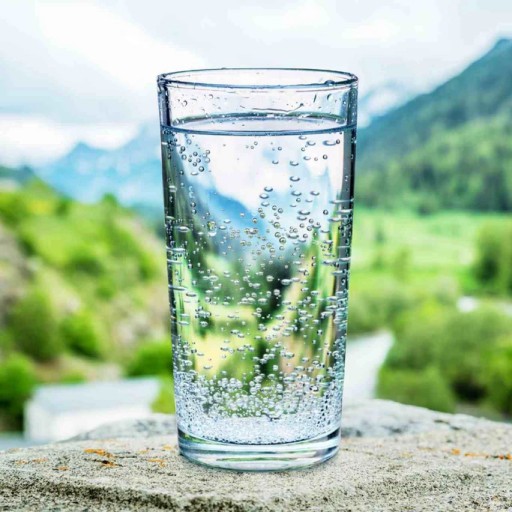
Benefits of water for the human body
1. Increases energy levels and prevents fatigue
Have you ever had the experience of feeling exhausted when you haven't done much? This is likely a sign that your body is mildly dehydrated. Water helps the blood to transport oxygen and nutrients and maintains normal cellular function. Once the water is insufficient, blood circulation slows down, the body does not supply enough oxygen, people will easily feel tired.
2. Promote digestion and prevent constipation
Drinking enough water allows food to move more smoothly through the digestive tract, helping the intestines to digest and absorb. If you are not hydrated enough, your stools will become dry and hard, making it difficult to defecate, and may even trigger constipation and gastrointestinal discomfort.
3. Helps control weight
Drinking water can help regulate appetite, sometimes we think we are hungry, but actually just thirsty. Drinking a glass of water before meals can increase satiety and avoid overeating. In addition, water can promote metabolism and help the body burn fat more effectively.
4. Protect kidneys and prevent kidney stones
Water helps dilute urine and prevents minerals and salts from accumulating in the kidneys to form stones. When you drink too little water for a long period of time, the concentration of urine becomes higher, the burden on the kidneys increases, and the risk of developing kidney stones is raised.
5. Promote brain function and concentration
The brain needs adequate water to stay awake and function efficiently. Studies have shown that even mild dehydration (a 1-2% loss of water in the body) can affect memory, concentration and mood, resulting in slow reaction times, irritability or anxiety.
6. Maintaining healthy skin
The water content of the skin directly affects its health. If your body is dehydrated, your skin may become dry, rough and even more prone to wrinkles. Compared to expensive skin care products, supplementing enough water is the easiest and most natural way to take care of your skin.
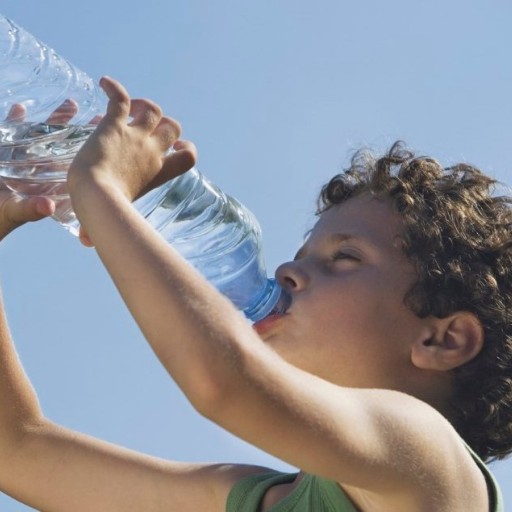
What happens when I drink less water?
If you are chronically under-hydrated, your body may experience the following problems:
1. Dry mouth and increased risk of tooth decay
Water stimulates saliva secretion, which helps remove bacteria and food debris from the mouth. If you drink too little water, your mouth will become dry and bacteria will grow more easily, increasing the risk of tooth decay and bad breath.
2. Headaches, decreased concentration
Dehydration can lead to reduced blood flow, affecting the supply of oxygen to the brain, which in turn can lead to headaches, lack of concentration and slow thinking.
3. Increased risk of cardiovascular disease
Water helps maintain the fluidity of blood and prevents it from becoming too viscous. If water intake is insufficient, blood circulation is impeded and the burden on the heart increases, which may raise the risk of hypertension and cardiovascular diseases.
4. Increased risk of urinary tract infections
Dehydration causes urine to concentrate, making it easier for bacteria in the bladder and urethra to multiply, thus increasing the risk of urinary tract infections (UTIs).
5. Affects body temperature regulation
Hydration is an important factor in maintaining a stable body temperature. If the body is dehydrated, sweating decreases and the ability to dissipate heat decreases, a person may be more susceptible to heat stroke or abnormal body temperature.
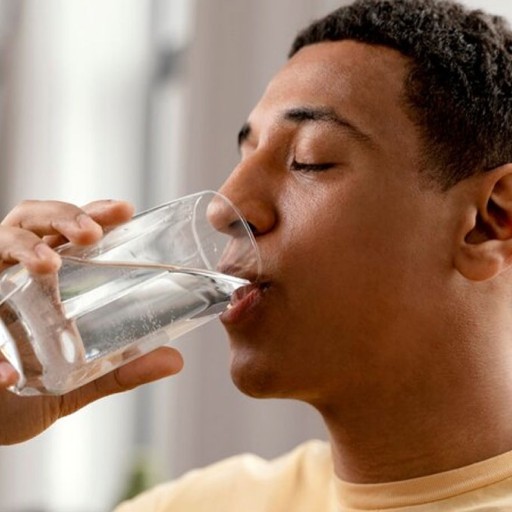
How to hydrate properly?
1. How much water should I drink every day?
It is recommended that adults consume 2-3 liters (about 8-12 cups) of water per day. However, the exact needs depend on a number of factors, such as
Amount of exercise: Additional hydration is needed after exercise to prevent dehydration
Temperature: When the weather is hot, the body sweats more and needs extra hydration.
Diet: If the diet is high in salt, protein or caffeine, you need to drink more water to balance it out
2. What is the best time to drink water?
Upon waking up in the morning: Drink a glass of warm water to help your body kick-start its metabolism
Between meals: moderate hydration to maintain the body's water balance
Before and after exercise: drink water before exercise to prevent dehydration, and replenish lost water after exercise
One hour before going to bed: you can drink half a glass of water to avoid dehydration during the night (but don't drink too much to avoid getting up frequently)
3. What drinks can replace water?
Plain water: the healthiest and most natural choice
Lemonade: adds flavor and provides vitamin C.
Coconut water: a natural electrolyte supplement, suitable for drinking after exercise.
Unsweetened teas: such as green tea and peppermint tea, which are both hydrating and have antioxidant properties
Note: Sugary drinks, energy drinks, and alcoholic beverages should not be used as a substitute for water, as they may lead to dehydration or additional health risks.
Water is the simplest and most effective “medicine” for health. It helps the body to maintain normal function, prevent disease and boost energy. If you're constantly tired, have headaches, dry skin, or suffer from indigestion, you're probably drinking too little water.
Remember: Don't wait until you're thirsty to drink water, and take the initiative to get into the habit of hydrating your body to keep it in tip-top shape!
 1
1 1
1OTHER NEWS
-
- Do you know these secrets of plants?
- By LH 18 Feb,2025

-
- Growing For The Planet: How Sustainable Gardening Practices Can Help To Mitigate Climate Change
- By Prodosh Kundu 28 Oct,2024

-
- Is the smell of mowing the grass a distress signal from plants?
- By LH 21 Feb,2025

-
- Planting Tips: Best Indoor Plants Recommendations and Care Guide
- By MTH 18 Feb,2025

-
- Sustainable Gardening Starts With Organic Supplies
- By Prodosh Kundu 28 Oct,2024

-
- Hydroponic plants, gardening tips
- By LH 02 Apr,2025
-
- How to Choose the Best Lawn and Landscaping Services for Your Home
- By Prodosh Kundu 28 Aug,2024

-
- The natural choice for indoor air purification five high-quality greenery recommendations
- By YL 14 Mar,2025

-
- What are the most ugly plants in the gardening world?
- By LH 09 Apr,2025

-
- 15 kinds of flowers suitable for summer
- By LH 31 Mar,2025

-
- Have you ever seen a magical plant that can grow by drinking air?
- By LH 14 Mar,2025
-
- From planting to caring for flowers that bloom forever
- By MTH 10 Mar,2025