How to cope with seasonal changes scientifically and stay healthy
The change of seasons is like a symphony of nature, with each movement bringing a unique melody and rhythm. As the seasons change, our bodies face various challenges. From warm and humid to cold and dry, from sunny to rainy, changes in the environment affect our health. So, how can we scientifically cope with seasonal changes and keep our bodies healthy and balanced?
Dietary adjustments: nourishment for the seasons
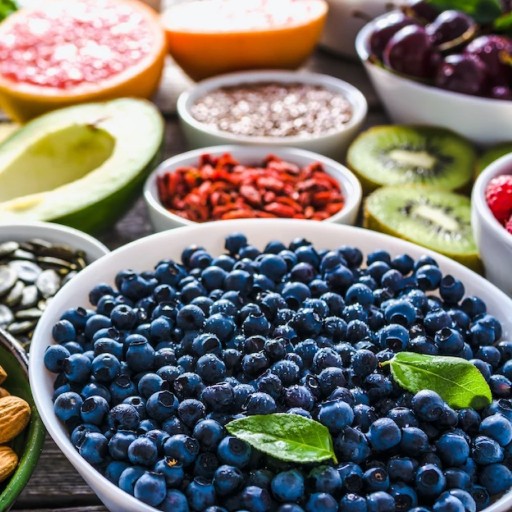
Diet is the cornerstone of maintaining good health, and it is crucial to adjust your diet according to seasonal changes. As yang energy rises and everything recovers in spring, it is advisable to eat more food with an uplifting effect, such as leeks, bean sprouts and parsnips, to help stimulate the body's yang energy and promote metabolism.
At the same time, the dry climate in the spring, should be more water, eat more fresh fruits and vegetables, such as strawberries, spinach, broccoli, etc., in order to nourish the liver, enhance immunity.
Summer heat, the body sweats more, easy to lose fluid. At this time, you should eat more heat, heat relief, and thirst-quenching food, such as watermelon, green beans, winter melon, bitter melon, and so on.
In addition, summer appetite is often poor, can be appropriate to eat some appetizing food, such as hawthorn, plums and so on. However, we should pay attention to avoid gluttony and cold food, so as not to damage the spleen and stomach.
The climate is dry in the fall, and the lungs are vulnerable. Diet should focus on nourishing yin and moistening the lungs, eat more white food, such as lily, silver ear, snow pear, lotus root and so on.
These foods have the effect of moistening the lungs and relieving coughs, nourishing yin and moistening dryness, which can effectively relieve the discomfort caused by autumn dryness.
At the same time, fall is also the harvest season, a variety of fresh grains and nuts on the market, such as corn, sesame, walnuts, etc., can be consumed appropriately to replenish the body's nutritional needs.
Winter is cold, the body needs more heat to maintain body temperature. At this time, you should eat more warm food, such as mutton, beef, cinnamon, red dates, etc., in order to tonify the kidney and warm the body.
But also pay attention to the right amount, to avoid excessive tonic lead to fire. In addition, winter vegetables and fruits are relatively less, can be appropriate to eat some rich in vitamin C fruits, such as oranges, grapefruit, etc., in order to enhance immunity.
Exercise: Adapt to the rhythm of the season
Exercise is an important way to stay healthy, but the way of exercise should be different in different seasons. The pleasant weather in spring makes it suitable for some outdoor activities such as walking, jogging, tai chi and kite flying.
These exercises can help the body stretch its muscles and bones, enhance cardiopulmonary function and promote blood circulation. However, we should pay attention to avoid overwork, and replenish water in time after exercise.
Summer temperatures are high, exercise should be selected in the early morning or evening and other cool time to avoid exposure to the sun. Exercise programs can choose some more soothing, such as yoga, swimming, cycling and so on.
Swimming is one of the most suitable sports in summer, not only can exercise, but also cool down. But pay attention to swimming safety, avoid swimming in dangerous waters.
The weather gradually turns cool in the fall, exercise should pay attention to keep warm, avoid catching cold. You can choose some aerobic exercise, such as hiking, jogging, jumping rope and so on.
Hiking can not only enjoy the beauty of the fall, but also enhance the strength of the legs and improve the endurance of the body. But pay attention to the intensity of hiking, according to their own situation to choose the right route.
Winter is cold, the body's joints and muscles are more stiff, before exercise must do a good job of warming up. You can choose some indoor sports, such as aerobics, tai chi, eight-duan brocade and so on.
These exercises can promote blood circulation in the body and enhance the body's resistance. If outdoor exercise, pay attention to keep warm, wear good cold clothing and gloves.

Work and Rest: Synchronize with the Seasons
A regular routine is the key to good health, and it's important to synchronize your routine with the seasons. In spring, you should go to bed early and get up early in order to adapt to the natural rise of yang energy. Ensuring 7-8 hours of sleep every day is good for liver detoxification and repair.
In summer, the days are long and the nights are short, so you can go to bed late and get up early, but you also need to ensure that you get enough sleep. Take a lunch break at noon to relieve fatigue and replenish energy. Lunch break time should not be too long, generally 30 minutes to 1 hour is appropriate.
Autumn weather turns cool, should go to bed early and get up early, in order to comply with the convergence of Yang Qi. Going to bed early can avoid the cold of fall from invading the body, and waking up early can help stretch the lungs.
In winter, when the days are short and the nights are long, you should go to bed early and get up late in order to nourish and hide the yang qi in your body. Try to ensure that you go to sleep before 10 p.m. in the evening, the morning can be appropriate to get up late, to be the sun rises and then get up, in order to avoid the invasion of cold.
Emotional Regulation: Adapting to Seasonal Changes
Seasonal changes not only affect our bodies, but also have a certain impact on our emotions. Spring is the revival of everything, people's emotions are relatively more active, but at the same time also prone to mood swings. At this time should maintain a relaxed mood, participate in some social activities, communicate with friends and family, to avoid emotional depression.
Summer heat, the human body is prone to irritability. Attention should be paid to maintain a calm mind, can be through listening to music, reading and other ways to relieve pressure, emotional regulation. At the same time, to avoid a long time in the hot environment, so as not to aggravate the irritability.
Autumn scenery is sluggish, which is easy to make people sad and depressed. You should participate in more outdoor activities to appreciate the beauty of autumn and feel the beauty of nature. You can also eat more food with the effect of liver and qi, such as Buddha's hand, citron, etc., in order to regulate the mood.
Winter is cold, the sunshine time is short, the human body's biological clock is easy to disorganize, which leads to low mood. You should get more sunshine, increase the time of outdoor activities, and keep the indoor light sufficient. At the same time, appropriate recreational activities, such as watching movies and playing games, can be carried out to ease the mood.

Disease Prevention: Meeting the Challenges of the Seasons
Different seasons have different high incidence of diseases. It is important to understand these diseases and take preventive measures. Spring is the season of high incidence of infectious diseases, such as influenza, hand, foot and mouth disease, and measles.
You should pay attention to personal hygiene, wash your hands frequently, and maintain indoor ventilation. Avoid going to crowded places as much as possible, and if you have to go, wear a mask. At the same time, you can get vaccinated against influenza according to your own situation.
In summer, high temperature and rainy weather make food spoil easily, which may cause food poisoning and intestinal diseases. Pay attention to dietary hygiene, do not eat spoiled food and do not drink raw water. Avoid eating raw and cold food, so as not to cause gastrointestinal discomfort.
In addition, summer is also a high incidence of skin diseases, pay attention to keep the skin clean and dry, avoid mosquito bites.
The dry climate in fall can easily cause respiratory diseases such as cough and asthma. You should pay attention to keep warm, according to the weather changes in time to increase or decrease clothing.
Eat more food that nourishes Yin and moisturizes the lungs, as mentioned above. At the same time, some breathing exercises, such as deep breathing and abdominal breathing, can be carried out appropriately to enhance the function of the lungs.
Cold winter is the high incidence of cardiovascular diseases. You should pay attention to keep warm and avoid cold stimulation. Control blood pressure, blood sugar, blood lipid and other indicators, and have regular medical checkups. Maintain good living habits, such as quitting smoking and limiting alcohol, and exercising in moderation.
Seasonal changes are nature's laws that we cannot change, but we can cope with them through scientific methods. From diet, exercise, work and rest, emotional regulation to disease prevention, every aspect needs our attention.
Only in this way can we stay healthy and enjoy a good life in the change of seasons. Let's follow nature, live in harmony with the seasons, and guard our health together.
 1
1 1
1OTHER NEWS
-
- Hydroponic plants, gardening tips
- By LH 02 Apr,2025
-
- The natural choice for indoor air purification five high-quality greenery recommendations
- By YL 14 Mar,2025

-
- Do you know these secrets of plants?
- By LH 18 Feb,2025

-
- 15 kinds of flowers suitable for summer
- By LH 31 Mar,2025

-
- Growing For The Planet: How Sustainable Gardening Practices Can Help To Mitigate Climate Change
- By Prodosh Kundu 28 Oct,2024

-
- How Organic Gardening Supplies Can Transform Your Garden And The Environment?
- By Prodosh Kundu 28 Oct,2024

-
- How to Choose the Best Lawn and Landscaping Services for Your Home
- By Prodosh Kundu 28 Aug,2024

-
- Is the smell of mowing the grass a distress signal from plants?
- By LH 21 Feb,2025

-
- What are the most ugly plants in the gardening world?
- By LH 09 Apr,2025

-
- How do you control pests and diseases in your garden
- By YL 12 Mar,2025

-
- Have you ever seen a magical plant that can grow by drinking air?
- By LH 14 Mar,2025
-
- How terrible are carnivorous plants?
- By LH 12 Mar,2025