New Scams in the Age of AI: New Fraudulent Techniques Revealed
In recent years, telecom fraud has become more and more prevalent, and scammers have become more and more sophisticated. In the past, scam calls were usually dialed by bots, or scammers posed as customer service or government agents to get money.
Nowadays, with the development of AI technology, the “weapons” in the hands of fraudsters have been upgraded, and fraud has become more realistic, so people can not prevent.
Whether it is the daily strange phone calls, text messages, or seemingly formal but hidden traps in the network information, the threat of telecommunications fraud is everywhere. Today, we will talk about the latest fraudulent practices, to see how the fraudsters are using AI technology to upgrade the scam, and how to effectively prevent, to avoid being cheated out of money.
AI makes telecom fraud more frightening
Traditional fraud schemes often rely on words and psychological warfare, such as posing as customer service, police, or creating emergencies to make victims panic. But now, AI technology allows fraudsters to become more precise in their tactics, making it harder for victims to recognize the scam.
1. AI voice cloning, pretending to be an acquaintance
In the past, most scam calls were automatically dialed by robots, which were known to be scammers on first hearing. But now, scammers utilize AI voice cloning that can mimic the voices of your loved ones, friends, and even bosses to commit fraud.
Case in point: one day, you get a call from someone who sounds exactly like your family, anxiously telling you, “Something's happened to me and I need money!” If you don't ask for careful verification, you are likely to be shocked and transfer money immediately.
In fact, this voice may have been generated by a scammer who took a few seconds of voice samples from social media and then used AI to generate it.
Precaution:
When you come across any “emergency help” call, stay calm and don't transfer money right away.
Hang up and call back with your own saved number to confirm the person's identity.
Set a family “security code” that only real family members know. 2.

2. AI generated “real” customer service or officials
Many people have received calls from “bank customer service”, “government agencies” or “tax department”, but in the past, scammers were often broken by a hard voice and a strange accent, making it easy to recognize. Now, AI-generated speech is more fluent, and can even mimic the official tone of voice, making scam phone calls sound more credible than before.
Case in point: someone receives a call from “bank customer service” informing them that there is a “suspicious transaction” on their account and they need to verify their identity.
The scammer uses AI voice technology to make the entire call sound very professional, and can even simulate the background sound of the call center. If the victim is gullible and tells the other party the verification code or account information, the money in the account may be stolen immediately.
Precautions:
Banks or government agencies do not actively call for personal information or verification codes.
When you receive a similar call, hang up first and call back to verify it yourself using official channels.
Remember, any call that asks you to provide a password, PIN, or verification code over the phone is a scam!
3. AI forged video, fraud more “credible”
AI can not only synthesize sound, but also create “Deepfake” videos. This means scammers can fake leaders, celebrities, and even your friends to scam you via social media, text message, or email.
Case in point: You might see a “video” on social media of a celebrity or company CEO pitching you an investment opportunity and offering you a real-looking website to sign up for. But in reality, the video was generated by AI and the supposed investment platform is a scam.
Precaution:
Always check official websites rather than trusting “official” information on social media when it comes to investing or transferring money.
If you receive a suspicious video or voice message from someone you know, contact the person in a different way to confirm (e.g. call them directly or ask them in person).
Reduce the exposure of your voice and video on social media to avoid becoming fodder for AI scams.
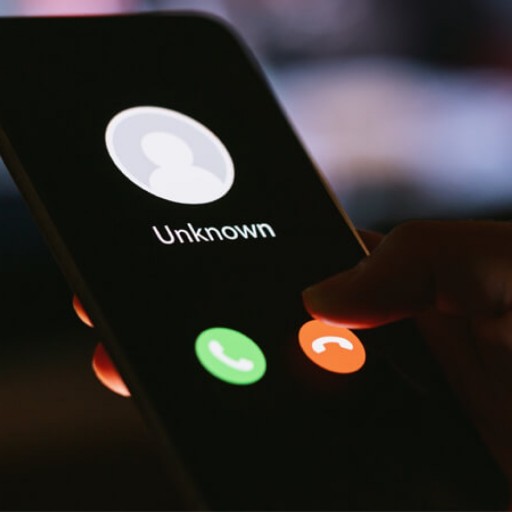
New common scam techniques
In addition to AI scams, scammers continue to innovate, and here are a few of the latest common scams:
1. “AI assistant” scams
Nowadays, many people are used to using AI chatbots or voice assistants, such as intelligent customer service, voice search and so on. But scammers will disguise themselves as AI assistants to cheat personal information.
Case: Some scammers create fake AI customer service websites that mimic the AI interactive interface of banks or online payment platforms, asking users to enter account passwords or bind payment methods, resulting in the theft of funds.
Precautionary measures:
Don't enter personal information on unfamiliar websites, and use official apps or official channels.
If the AI assistant asks for sensitive information (e.g. bank passwords, verification codes), it's definitely a scam.
2. “AI winning” scam
Scammers will use AI to generate personalized messages to make you think you've won the jackpot, and can even generate customized messages with your name to make the scam more believable.
Case in point: You receive an email or text message with your name on it telling you that you've won a jackpot and a link to “claim your prize”. Once you click on it, you may be asked to pay a “processing fee” or download malware, which will eventually lead to losses.
Precautionary measures:
The sky is the limit, and all offers that require payment before you can claim your prize are scams.
Do not click on unknown links and verify the information on the official website first.

How to protect yourself?
In the face of increasingly advanced telecommunications fraud, we need to be more vigilant and learn some practical skills to prevent fraud:
Stay skeptical when encountering unfamiliar phone calls
If the other party claims to be a bank, the government, the police, asking for money transfers or information, hang up first and call the official phone number yourself for verification.
If someone on the phone urges you to “act now,” it's probably a scam.
Set a “safe code”
Make a special “security code” with your family and friends to confirm your identity in case of emergencies and to prevent AI voice scams.
Don't give out personal information
Don't post your phone number, address, birthday, voice or video on social media to prevent being used by scammers.
Install fraud prevention tools
There are now anti-fraud apps or caller recognition software that can automatically block suspicious calls to improve security.
Report fraudulent calls
If you receive a scam call or discover a new scam, you can report it to the relevant organizations so that more people will know about it and be more vigilant.
Telecom scams in the age of AI are becoming more and more sophisticated, but by being vigilant, remaining skeptical, and getting into the habit of verifying information, you can effectively reduce the risk of being scammed.
Remember, real banks, governments, and legitimate companies won't ask you to provide sensitive information over the phone, and any request for an “immediate transfer” is 99% a scam!
I hope this article will help you to raise your awareness and protect yourself and your family's property. If you have encountered similar scams, you may wish to share them, so that more people know, to avoid becoming the next victim!
 1
1 1
1OTHER NEWS
-
- Do you know these secrets of plants?
- By LH 18 Feb,2025

-
- From planting to caring for flowers that bloom forever
- By MTH 10 Mar,2025

-
- Here’s a complete guide on what you should prepare before planting your seeds.
- By Prodosh Kundu 18 Jul,2024

-
- 15 kinds of flowers suitable for summer
- By LH 31 Mar,2025

-
- Sustainable Gardening Starts With Organic Supplies
- By Prodosh Kundu 28 Oct,2024

-
- What are the most ugly plants in the gardening world?
- By LH 09 Apr,2025

-
- How terrible are carnivorous plants?
- By LH 12 Mar,2025

-
- How Organic Gardening Supplies Can Transform Your Garden And The Environment?
- By Prodosh Kundu 28 Oct,2024

-
- Is the smell of mowing the grass a distress signal from plants?
- By LH 21 Feb,2025

-
- Hydroponic plants, gardening tips
- By LH 02 Apr,2025

-
- How do you control pests and diseases in your garden
- By YL 12 Mar,2025

-
- Have you ever seen a magical plant that can grow by drinking air?
- By LH 14 Mar,2025