How to choose auto insurance
Auto insurance is an important issue that every car owner needs to pay attention to, it is not only related to the safety and security of daily travel, but also involves the sharing of economic losses.
In the face of a wide variety of insurance programs on the market, how to select the most suitable auto insurance for yourself, which can provide adequate protection without causing financial burden?
The basic components of automobile insurance
There are various types of automobile insurance, ranging from the basic coverage required by law to optional extra coverage, which car owners can choose according to their own needs. Generally speaking, automobile insurance is divided into two categories: mandatory and commercial.
Compulsory insurance is the basic insurance required by law to be purchased by every vehicle. Its main function is to protect the third party from personal and property damage caused by an accident, and even if the at-fault party is unable to pay for the damages, the insurance company will still be able to bear part of the responsibility.
The premium for this type of insurance is relatively fixed, but there is also a cap on the amount of compensation that cannot fully cover all losses.
Commercial insurance, on the other hand, offers a wider range of protection, covering a wide range of risks such as damage to the owner's own vehicle, theft, natural disasters, and injuries to vehicle occupants. Different commercial insurance solutions can be freely combined to form a personalized protection system.
A reasonable choice of commercial insurance not only reduces financial losses in the event of an accident, but also enhances the peace of mind of driving.
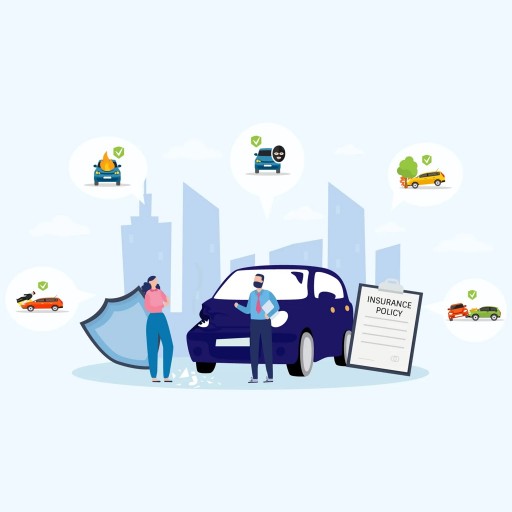
Factors to consider when choosing auto insurance
Different vehicle owners have different vehicle usage, driving environments, budgets and personal risk tolerance, so you need to consider a number of aspects when choosing an insurance policy to ensure that the chosen plan meets your needs without incurring unnecessary financial expenses.
The frequency of vehicle use has a significant impact on insurance needs. If the vehicle is used more frequently, especially in complex road conditions, purchasing more comprehensive coverage can effectively reduce potential risks. For vehicles that are used less frequently, reducing the number of unnecessary insurance items can reduce premium expenses.
Driving experience is also an important consideration. Due to the inexperience of novice drivers, the probability of accidents is relatively high, so an appropriate increase in coverage can reduce potential financial losses. For car owners with mature driving skills and good driving habits, they can choose a more cost-effective insurance plan to save money.
The value of the vehicle determines the need for insurance and the amount of coverage. New vehicles, due to their higher price and larger repair cost, are suitable for choosing insurance with wider coverage to minimize repair and compensation cost.
For vehicles with longer service life and faster depreciation, some of the higher coverage can be reduced as appropriate so as not to invest more than the value of the vehicle itself.
Driving environment and parking location will also affect insurance needs. If the vehicle is mainly driven on city roads with complex traffic and high accident rates, adding some additional coverage can provide more comprehensive protection.
In areas where law and order is poor or extreme weather is common, adding anti-theft or natural disaster coverage to your vehicle is especially important.
Budget is also an important factor in insurance selection. While higher coverage means more comprehensive protection, not all insurance policies are suitable for all vehicle owners. With a limited budget, you can prioritize the necessary coverage for high-risk scenarios, while reducing insurance expenses for unlikely occurrences to achieve the most cost-effective configuration.
How to develop a reasonable insurance program
The key to choosing auto insurance lies in finding a balance between coverage and affordability. After comprehensively considering your needs, you can match different types of insurance to form a reasonable combination.
Basic coverage is the part that any car owner should prioritize. Whether it is a new or old car, you need to ensure that you will be able to get basic financial compensation in the event of an accident. Car damage insurance is an important type of insurance that protects one's vehicle and can provide compensation for repairs in the event of a collision, overturn, fire, etc.
Third party liability insurance, on the other hand, can effectively minimize the financial burden in the event of property and personal damages to others as a result of an accident.
Additional coverage can be selected on a case-by-case basis. For vehicles that often need to be driven long distances or parked outdoors, adding theft insurance can provide an extra sense of security.
If your area is prone to extreme weather, such as frequent rainstorms, hailstorms and mudslides, consider natural disaster-related insurance to minimize losses caused by force majeure factors.
Medical and personal protection is an often overlooked part of the package, but it is vital for the safety of car owners and passengers. If an accident occurs, the medical expenses of the vehicle occupants may become an additional financial burden, so an appropriate increase in relevant insurance can provide more comprehensive risk protection.
The choice of coverage needs to be reasonably assessed. Too low a sum insured may not be able to cover the damages after an accident, while too high a sum insured will add unnecessary financial burden.
Therefore, when determining the sum insured, it needs to be adjusted in conjunction with the value of the vehicle, the risk of the accident and personal affordability to ensure that the maximum coverage is obtained within a reasonable range.
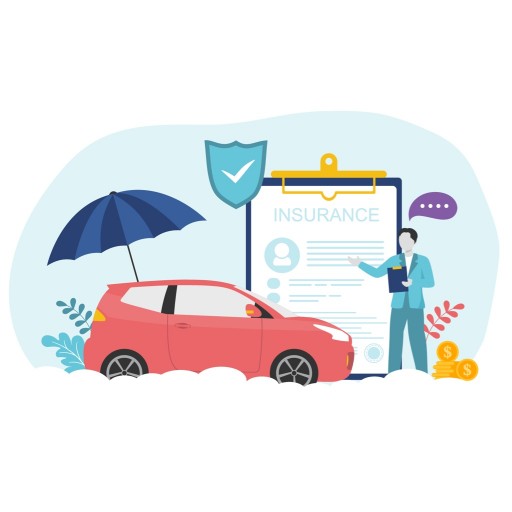
Common Misconceptions and Pit Avoidance Guide
In the process of selecting an auto insurance policy, some common misconceptions may affect the final decision, resulting in unnecessary financial outlay or inadequate coverage.
Overstacking coverage is a mistake many car owners tend to make. Some of the coverage may overlap, for example, car damage insurance and certain additional coverage may provide similar compensation in specific situations.
When choosing an insurance policy, you should carefully understand the coverage of different types of insurance, so as to avoid duplicating the purchase and adding unnecessary expenses.
Focusing only on the price and ignoring the content of the coverage can also pose a hidden danger. Low-priced insurance may mean limited coverage and may not be able to obtain adequate compensation in the event of a real accident. Therefore, when choosing an insurance policy, you should focus on your protection needs rather than simply pursuing the lowest price option.
Ignoring exclusion clauses may lead to claims disputes. Every insurance policy has certain exclusions, for example, losses in some cases may not fall within the liability of the insurance company. If you do not read the relevant clauses carefully before purchasing an insurance policy, you may realize that you cannot get the expected compensation only after an accident.
Therefore, when signing an insurance contract, you need to understand the terms and conditions in detail to avoid unnecessary troubles.
Over-reliance on the minimum coverage may not be able to cope with unexpected situations. Although choosing the minimum coverage can reduce premium expenses, if a more serious accident occurs and the compensation is insufficient, the car owner may need to bear additional financial losses on his/her own.
Therefore, the sum insured should be reasonably configured with your own needs and potential risks to ensure adequate compensation in the event of an accident.
The choice of auto insurance involves a number of aspects, from basic protection to personalized needs, each car owner should combine their own situation to develop a suitable insurance plan.
When choosing, vehicle condition, driving habits, driving environment and economic budget should be considered comprehensively to ensure that the insurance can provide the most effective protection at the critical moment.
The right insurance configuration not only effectively reduces risk, but also provides financial support in the event of an accident, enabling vehicle owners to enjoy driving with greater peace of mind. By planning wisely and avoiding common misconceptions, every car owner can find the right insurance solution for him or her, making every trip safer and more worry-free.
 1
1 1
1OTHER NEWS
-
- Hydroponic plants, gardening tips
- By LH 02 Apr,2025

-
- The natural choice for indoor air purification five high-quality greenery recommendations
- By YL 14 Mar,2025

-
- Do you know these secrets of plants?
- By LH 18 Feb,2025

-
- 15 kinds of flowers suitable for summer
- By LH 31 Mar,2025

-
- Growing For The Planet: How Sustainable Gardening Practices Can Help To Mitigate Climate Change
- By Prodosh Kundu 28 Oct,2024

-
- How Organic Gardening Supplies Can Transform Your Garden And The Environment?
- By Prodosh Kundu 28 Oct,2024

-
- How to Choose the Best Lawn and Landscaping Services for Your Home
- By Prodosh Kundu 28 Aug,2024

-
- Is the smell of mowing the grass a distress signal from plants?
- By LH 21 Feb,2025

-
- What are the most ugly plants in the gardening world?
- By LH 09 Apr,2025

-
- How do you control pests and diseases in your garden
- By YL 12 Mar,2025

-
- Have you ever seen a magical plant that can grow by drinking air?
- By LH 14 Mar,2025

-
- How terrible are carnivorous plants?
- By LH 12 Mar,2025