How often should you change your toothbrush? Beware of oral diseases if you ignore these details!
You brush your teeth every day, but do you know the "shelf life" of your toothbrush? Don't wait until your toothbrush is deformed or the bristles are split before you think about changing it!
Many people ignore this key detail, and as a result, their teeth get dirtier and dirtier, and may even make their mouths a breeding ground for bacteria, causing gingivitis, bad breath, and even tooth decay! Today we're going to talk about the frequency of toothbrush replacement and those hidden dangers that are easily overlooked.
How often should you change your toothbrush? Many people are wrong!
The World Health Organization (WHO) and dentists generally recommend that toothbrushes be replaced every 3 months. But in real life, many people use a toothbrush for half a year or even a year, and only think of changing it when the bristles are "bald". This practice will cause plaque and bacteria to multiply wildly in the mouth, affecting oral health.
So, why should toothbrushes be replaced every 3 months? The reasons are as follows:
The bristles are worn and the cleaning effect is reduced
When the toothbrush is used for a long time, the bristles will gradually deform and wear, making it difficult to deeply clean the gaps between teeth when brushing, resulting in the accumulation of dental plaque and increasing the risk of tooth decay and periodontal disease.
Bacteria breed and affect oral health
Toothbrushes are in a humid environment every day, which is a hotbed for bacteria to breed. If the same toothbrush is used for a long time, bacteria will accumulate more and more, and may even cause gingivitis, oral ulcers and other problems.
The bristles become hard and hurt the gums
When the toothbrush is used for a long time, the bristles will become hard, which may cause damage to the gums when brushing, causing bleeding gums, and even gingivitis and periodontal disease.
Invisible bacteria cross infection
If the toothbrush is stored in a humid and unventilated environment, it is easy to breed mold and bacteria, especially if the toothbrushes between family members are placed too close, which may also cause cross infection and affect oral health.
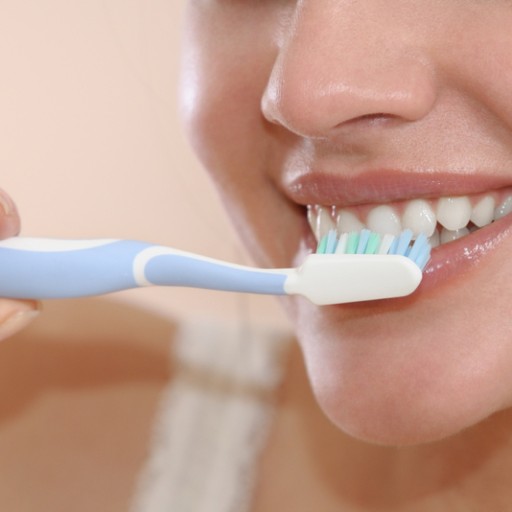
How often do you change your toothbrush? If it is more than 3 months, then change it quickly!
In these cases, the toothbrush should be replaced in advance!
Although the normal replacement cycle of a toothbrush is 3 months, you may need to replace it earlier in the following situations!
1. The bristles are obviously deformed and split
If the bristles are tilted in different directions, it means that the toothbrush has lost its cleaning ability. At this time, you must replace it with a new toothbrush!
2. The bristles become hard and uncomfortable when brushing your teeth
If you feel that the bristles have become very hard when brushing your teeth, or even your gums hurt or bleed after brushing, it may be that the bristles are aging or damaged. It is recommended to replace them immediately.
3. The toothbrush is moldy and has a peculiar smell
The storage environment of the toothbrush is humid, which is easy to breed mold and bacteria. If you find black spots, mildew or peculiar smell on the bottom of the toothbrush, don't hesitate, replace it immediately!
4. Family members have colds or oral diseases
If someone in the family has a cold, flu or oral infection (such as oral ulcers, gingivitis, etc.), it is recommended to replace the toothbrush immediately after the condition improves to avoid recurrence caused by residual bacteria.
5. The toothbrush falls to an unclean place
If the toothbrush falls on the toilet floor, next to the toilet, or is stained with unknown stains, it is recommended to replace it immediately to prevent bacteria from entering the mouth.
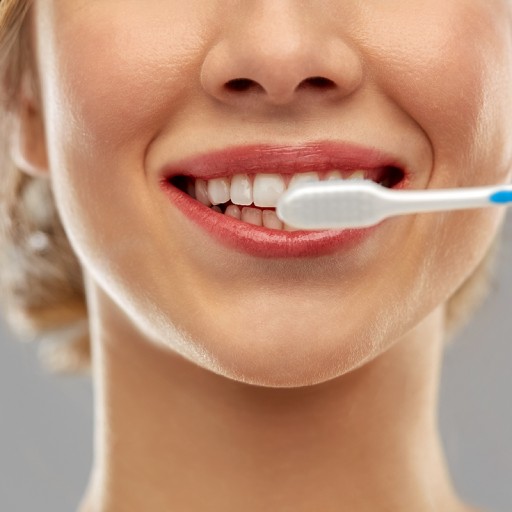
How to store toothbrushes correctly? Many people ignore these points!
In addition to replacing toothbrushes regularly, the correct way to store toothbrushes is also crucial. Many people are used to placing toothbrushes randomly, or even in a sealed toothbrush box, which is actually more likely to breed bacteria!
Four key points for storing toothbrushes correctly
Toothbrush heads facing up and stored separately
After brushing your teeth, place the toothbrush head facing up in a ventilated place to avoid contact between the toothbrush head and the table or other toothbrushes to prevent cross-contamination.
Avoid moisture and stay away from the toilet
Don't place toothbrushes in a humid environment, such as a closed cabinet or a sealed toothbrush box. Don't place it near the toilet, because bacteria may spread and contaminate the toothbrush when flushing.
Disinfect regularly to reduce bacteria
You can soak your toothbrush in warm water for 5 minutes a week, or soak it in mouthwash for 1 minute to help kill bacteria and reduce the risk of oral infection.
Don't share toothbrushes with family members
Toothbrushes are personal items, so don't share them with others to prevent cross infection. Toothbrushes between family members should also be kept at a certain distance to avoid contact.
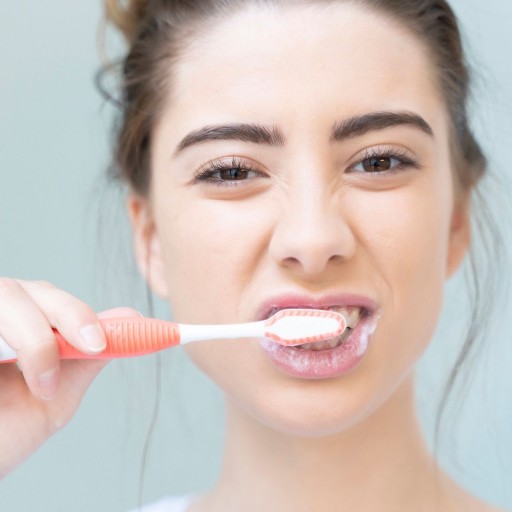
How often should the brush head of an electric toothbrush be replaced?
Now many people use electric toothbrushes, so how often should the brush head of an electric toothbrush be replaced? In fact, the bristles of an electric toothbrush wear at a similar rate to ordinary toothbrushes, and it is recommended to replace them every 3 months. If the bristles are deformed or the brush head has an odor, it also needs to be replaced in advance.
In addition, the brush head of an electric toothbrush may accumulate bacteria due to its high vibration frequency. It is recommended to clean it with warm water regularly and keep it dry.
Finally, in summary: Do these and stay away from oral diseases!
Many people think that brushing your teeth can keep your oral cavity healthy, but if the toothbrush is not replaced regularly, it will turn your mouth into a breeding ground for bacteria! To protect your teeth, in addition to brushing your teeth carefully every day, you must also remember the following points:
Replace your toothbrush every 3 months, and don't wait until the bristles are deformed before replacing them!
If the bristles split, become hard, or the toothbrush becomes moldy, replace it immediately!
Remember to replace your toothbrush after you catch a cold or get sick to avoid secondary infection!
Keep your toothbrush in a ventilated and dry place, and avoid contact with your family members' toothbrushes!
The brush head of an electric toothbrush should also be replaced regularly, don't think it can last a whole year!
How long have you used your toothbrush? Check it out and see if it's time to replace it!
 1
1 1
1OTHER NEWS
-
- Hydroponic plants, gardening tips
- By LH 02 Apr,2025

-
- The natural choice for indoor air purification five high-quality greenery recommendations
- By YL 14 Mar,2025

-
- Do you know these secrets of plants?
- By LH 18 Feb,2025

-
- 15 kinds of flowers suitable for summer
- By LH 31 Mar,2025

-
- Growing For The Planet: How Sustainable Gardening Practices Can Help To Mitigate Climate Change
- By Prodosh Kundu 28 Oct,2024

-
- How Organic Gardening Supplies Can Transform Your Garden And The Environment?
- By Prodosh Kundu 28 Oct,2024

-
- How to Choose the Best Lawn and Landscaping Services for Your Home
- By Prodosh Kundu 28 Aug,2024

-
- Is the smell of mowing the grass a distress signal from plants?
- By LH 21 Feb,2025

-
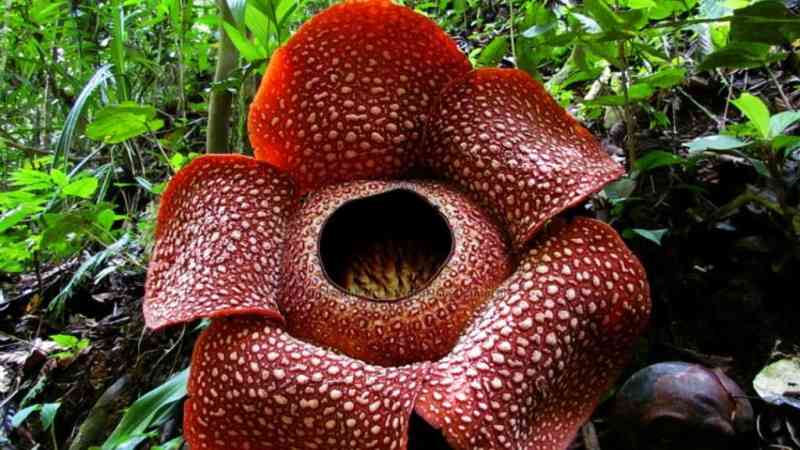
- What are the most ugly plants in the gardening world?
- By LH 09 Apr,2025
-
- How do you control pests and diseases in your garden
- By YL 12 Mar,2025

-
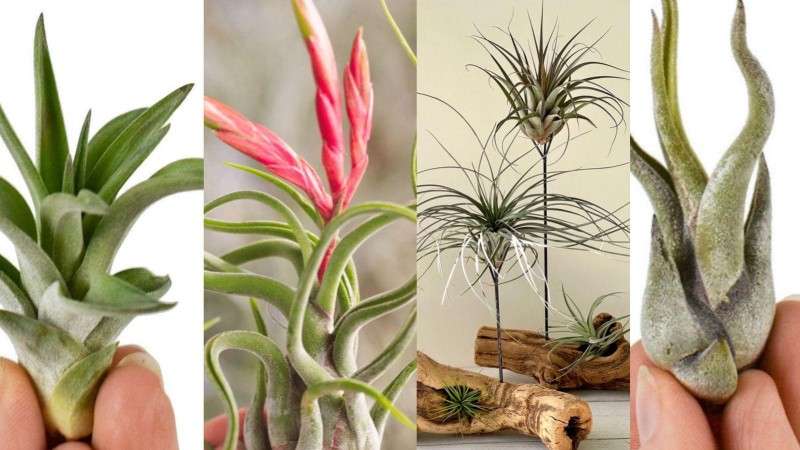
- Have you ever seen a magical plant that can grow by drinking air?
- By LH 14 Mar,2025
-
- How terrible are carnivorous plants?
- By LH 12 Mar,2025