How harmful is sleep deprivation
In this information explosion and fast-paced era, sleep deprivation has almost become a global epidemic. Whether it's working professionals who stay up late and work overtime, young people who are addicted to electronic products, or even middle-aged and elderly people who suffer from insomnia due to anxiety and stress, sleep deprivation has quietly infiltrated every aspect of life.
However, people tend to underestimate the seriousness of sleep deprivation, and even think that staying up late is just a part of life, but the fact is that sleep deprivation is much more than just making people mentally unstable, and it can be a trigger for health hazards that can have far-reaching effects on the body and mind.
How does sleep deprivation affect brain function?
The brain is one of the most sleep-dependent organs in the body, and it needs enough rest to organize information, consolidate memories and rejuvenate. However, sleep deprivation can have a devastating effect on all brain functions.
The most obvious signs of this are reduced concentration and slowed reactions. People who are sleep deprived usually feel disorganized, have difficulty concentrating, and are dramatically less productive at work and school. A brain functioning in a state of exhaustion affects decision-making ability, making people prone to making mistakes and possibly even making poor judgments.
In addition, long-term sleep deprivation also impairs memory, making the brain impaired in information processing and storage and increasing the risk of Alzheimer's disease.
Even more alarming, sleep deprivation can lead to increased mood swings. Studies have shown that people who are sleep deprived are more likely to feel anxious and depressed, and have a reduced ability to regulate their moods, making them easily irritable over trivial matters.
The amygdala in the brain is an important area for controlling emotions, and sleep deprivation can cause it to overreact, making people more sensitive and irritable.
Meanwhile, the prefrontal cortex (which is responsible for impulse control and judgment) is weakened, making it easier for people to make impulsive decisions such as overeating, overspending, and even developing self-destructive tendencies.
Far-reaching effects on physical health
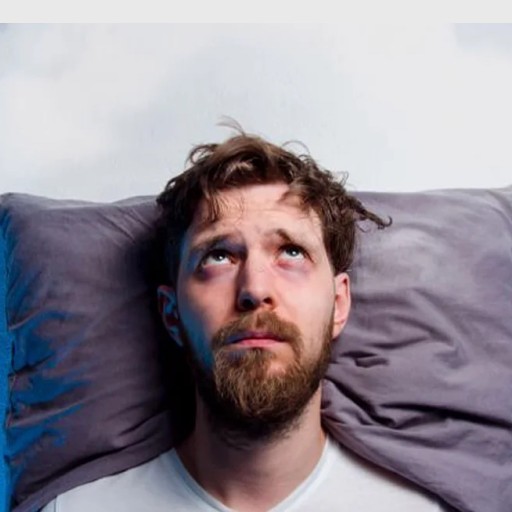
Sleep is not only a time for rejuvenation, but also a critical period for the body to repair and regulate all physiological functions. Lack of sleep can have an all-encompassing effect on the cardiovascular system, immune system and endocrine system.
Prolonged sleep deprivation increases the risk of high blood pressure, heart disease and stroke. During stages of deep sleep, blood pressure usually drops, allowing the heart to rest. However, if sleep deprivation is prolonged, blood pressure will remain at a high level, aggravating the burden on the heart.
In addition, sleep deprivation triggers a chronic inflammatory response that damages the lining of blood vessels, further increasing the risk of cardiovascular disease.
The immune system is equally affected. Sleep is an important time for the body to repair and strengthen the immune system, and lack of sleep can lead to decreased immune system function, making the body more susceptible to disease.
Studies have found that people who get less than six hours of sleep per night are four times more likely to catch a cold than normal sleepers. In addition, the effectiveness of vaccines may be diminished by sleep deprivation because the immune system is unable to adequately produce antibodies to fight off viruses.
The functioning of the endocrine system is also closely related to sleep. Lack of sleep causes an imbalance in the production of hormones in the body, especially leptin and ghrelin, which control appetite.
When sleep deprivation occurs, leptin levels drop while hunger hormone levels rise, giving rise to a stronger appetite, especially for high-sugar, high-fat foods. This not only tends to lead to weight gain, but also increases the risk of diabetes.
Studies have shown that chronic sleep deprivation can lead to a decrease in insulin sensitivity, making it more difficult to control blood sugar levels, which can lead to type 2 diabetes.
Potential threat to mental health
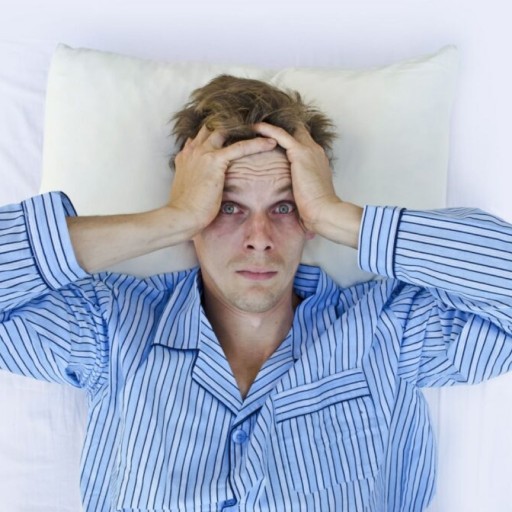
In addition to its impact on physical health, sleep deprivation is also a driver of psychological problems. Chronic lack of quality sleep is closely associated with anxiety, depression and mental disorders. During the deep sleep stage, the brain regulates the balance of neurotransmitters to help relieve stress and stabilize mood.
If this process is interrupted, the brain will not be able to regulate emotions effectively, leading to increased anxiety and even depressive symptoms.
Even more worrisome, sleep deprivation may exacerbate mental illness. Many people with depression also suffer from severe insomnia, which in turn can further exacerbate depressive symptoms, creating a vicious cycle.
Anxiety sufferers are more likely to experience panic attacks, nervousness and emotional breakdowns when they are sleep deprived. Studies have also found a link between sleep deprivation and serious mental illnesses such as schizophrenia and bipolar disorder.
Impact on social relationships and work performance
Sleep deprivation not only affects personal health, it also affects relationships and job performance. In the workplace, sleep deprivation can lead to decreased productivity, lack of concentration, and even affect teamwork.
Employees who are chronically sleep deprived often have difficulty completing intense work tasks and are prone to delays and errors, affecting the overall quality of their work. In positions that require innovation and creativity, sleep deprivation is even more deadly, as it reduces the brain's ability to think out of the box, making it difficult to come up with new ideas.
When it comes to social relationships, sleep deprivation affects a person's ability to control his or her emotions and makes communication between people more difficult. Studies have found that people who are chronically sleep deprived are more likely to misinterpret other people's expressions of emotion and more likely to interpret other people's behavior negatively.
In addition, sleep-deprived people tend to lack patience and are prone to arguments with family and friends over trivial matters, leading to strained social relationships.
How to improve the quality of sleep?
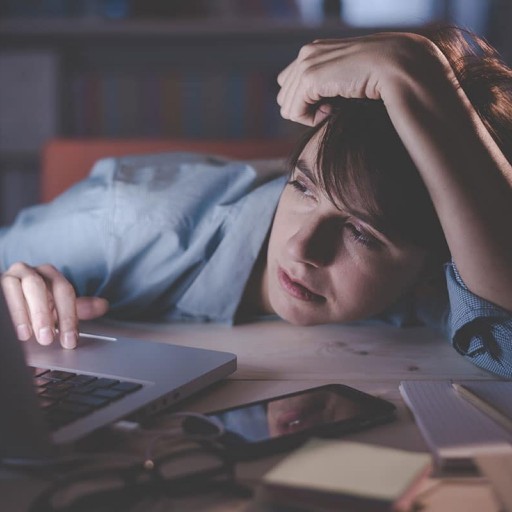
In the face of the harm caused by sleep deprivation, it is crucial to adjust your lifestyle. Good sleeping habits include regular work schedules, a comfortable sleeping environment and avoiding the use of electronic products before bedtime. In addition, proper exercise, a balanced diet, and relaxing activities (e.g., meditation, reading) can help improve sleep quality.
It is worth noting that the quality of sleep is more important than just the amount of sleep. If there is insufficient deep sleep, even if you get enough eight hours of sleep, your body and brain will still not be fully restored.
Therefore, creating a good sleeping environment, such as keeping the bedroom quiet, dark, at a suitable temperature and minimizing disturbances, can effectively enhance the duration and quality of deep sleep.
Lack of sleep not only affects physical health, but also weakens brain function, increases the risk of psychological problems, and affects work performance and social relationships. In the modern world, intense work pressure, fast-paced lifestyles and over-reliance on electronic devices have made sleep deprivation a common phenomenon.
However, we must recognize that adequate sleep is not a luxury but a necessity for a healthy life. Improving sleep habits and quality of sleep is the most basic investment in your physical and mental health. Only by giving our bodies and brains enough rest can we work more efficiently, live more happily, and have longer lasting health and happiness.
 1
1 1
1OTHER NEWS
-
- Hydroponic plants, gardening tips
- By LH 02 Apr,2025

-
- The natural choice for indoor air purification five high-quality greenery recommendations
- By YL 14 Mar,2025

-
- Do you know these secrets of plants?
- By LH 18 Feb,2025

-
- 15 kinds of flowers suitable for summer
- By LH 31 Mar,2025

-
- Growing For The Planet: How Sustainable Gardening Practices Can Help To Mitigate Climate Change
- By Prodosh Kundu 28 Oct,2024

-
- How Organic Gardening Supplies Can Transform Your Garden And The Environment?
- By Prodosh Kundu 28 Oct,2024

-
- How to Choose the Best Lawn and Landscaping Services for Your Home
- By Prodosh Kundu 28 Aug,2024

-
- Is the smell of mowing the grass a distress signal from plants?
- By LH 21 Feb,2025

-
- What are the most ugly plants in the gardening world?
- By LH 09 Apr,2025

-
- How do you control pests and diseases in your garden
- By YL 12 Mar,2025

-
- Have you ever seen a magical plant that can grow by drinking air?
- By LH 14 Mar,2025

-
- How terrible are carnivorous plants?
- By LH 12 Mar,2025