What to eat for constipation? These foods will help you to “get rid of it”
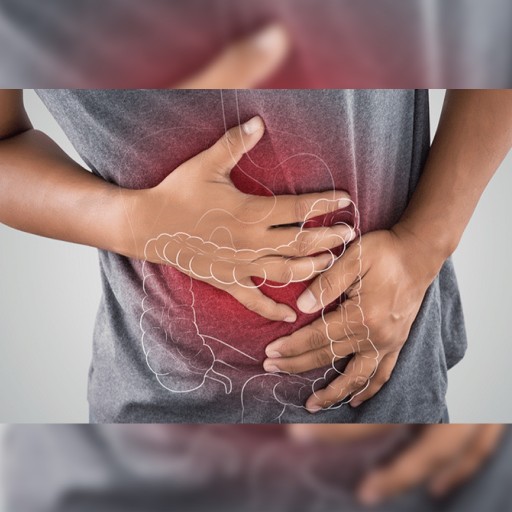
Constipation is a problem that many people have encountered. Squatting in the toilet half a day can not come out, stomach bloating unbearable, the whole person feels uncomfortable. In fact, many times constipation is caused by improper diet. Today to talk about, eat what food can help the intestinal tract “smooth passage”, so that you away from the constipation trouble.
1. Why constipation? First find out the cause
There are many reasons for constipation, but the most common include:
Insufficient intake of dietary fiber -- Many people like to eat fine processed food, such as white bread, pastries, fried food, this kind of food lack of dietary fiber, easy to make the intestines become “lazy”.
Insufficient water intake -- If you don't drink enough water every day, the water in your feces will decrease, making it dry and hard, and making it more difficult to pass.
Sedentary -- Lack of exercise slows down bowel movements and keeps food in the bowel for too long, leading to constipation.
Excessive stress -- Anxiety and tension can affect the digestive system, leading to irregular bowel movements.
Irregular eating habits -- Bowel health can be compromised if meal times are irregular or if you always eat high-fat, low-fiber foods.
Now that you know the causes of constipation, here are some foods that can help you get rid of it.
2. What should I eat more of when I am constipated? These foods work best!
(1) High-fiber foods: the “cleaner” of the intestines.
Dietary fiber is like the intestinal “broom”, can promote intestinal peristalsis, so that the bowel movement is smoother.
Vegetables: spinach, kale, carrots, broccoli, collard greens, lettuce, etc. are high in fiber and promote intestinal health.
Fruits: apples (eaten with the skin on), pears, bananas (ripe), berries (blueberries, raspberries, strawberries), oranges, etc., which are hydrating and contain natural dietary fiber.
Legumes: black beans, chickpeas, and lentils are rich in soluble fiber and protein, which are especially helpful in promoting digestion.
Whole grains: oats, brown rice, quinoa, whole wheat bread, etc. can help with intestinal motility better than refined grains.
Simple to eat: you can eat oatmeal with fruit for breakfast, choose whole grain bread or brown rice for lunch and dinner, and snack on a handful of berries or nuts.
(2) Drink more water to make the intestinal tract more “lubricated”.
If the body lacks water, the feces will become hard, leading to difficulties in defecation. Therefore, drinking at least 8 glasses of water (about 2 liters) a day will help keep your stool moist and easier to pass.
Fresh water: the simplest and healthiest option.
Coconut water: a natural electrolyte drink that helps hydrate and regulate bowel function.
Warm lemon water: a cup in the morning on an empty stomach helps stimulate bowel movements.
Herbal teas: such as peppermint tea and ginger tea help relax the intestines and relieve constipation.
(3) Healthy fats to lubricate the intestines
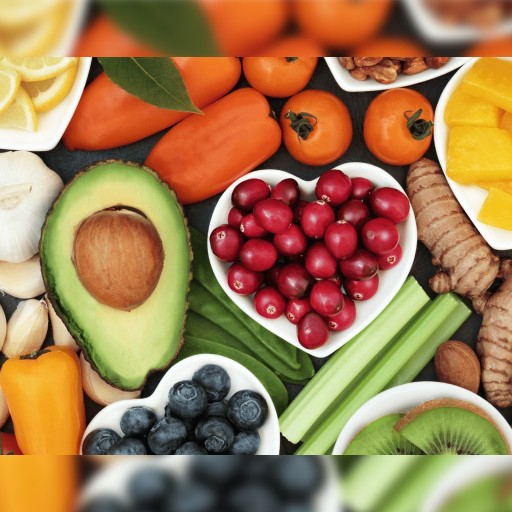
The right amount of healthy fats can lubricate the intestinal tract and make bowel movements smoother.
Nuts: almonds, walnuts, cashews, pistachios, contain healthy fats and dietary fiber.
Seeds: Chia seeds, flax seeds, pumpkin seeds, rich in Omega-3 fatty acids and soluble fiber.
Avocado: both dietary fiber and healthy fats, a laxative “superfood”.
Olive oil: Drink a small spoon of olive oil every day, or use olive oil to mix salad, can lubricate the intestinal tract, help defecation.
Simple to eat: breakfast with a slice of avocado toast, lunch mixed with an olive oil salad, a handful of nuts in the afternoon, can easily add healthy fat.
(4) Probiotic food, regulating intestinal flora
There are good and bad bacteria in the intestines, and probiotics can increase the good bacteria in the intestines to help digestion and reduce constipation.
Yogurt (unsweetened): rich in active probiotics that can promote intestinal health.
Kombucha: a fermented tea that contains natural probiotics to help balance intestinal flora.
Kimchi: a fermented vegetable food, rich in probiotics and dietary fiber.
Miso: a fermented soy food that helps promote digestive health.
Easy way to eat: Have a cup of yogurt for breakfast, have kimchi or miso soup for lunch, and try kombucha for a snack.
3. What foods make constipation worse? It's best to eat less!
Fried foods (e.g. fried chicken, French fries) - high in fat and low in fiber, which will slow down bowel movements.
Processed foods (cookies, cakes, potato chips) - high in refined sugar and additives, lacking in dietary fiber.
Red meat (e.g. steak, burgers) - very low in fiber and slow to digest, may worsen constipation.
Dairy products (in excess) - cheese, whole milk may cause indigestion and constipation in some people.
High-sugar beverages (colas, milkshakes, energy drinks) - too much sugar can affect the balance of intestinal flora and make constipation worse.
Suggestion: Eat less of these foods and choose more foods rich in dietary fiber and healthy fats for a smoother bowel!
4. Besides eating, what else can I do?
Besides adjusting your diet, you can also improve constipation through your lifestyle habits:
Exercise for 30 minutes a day (brisk walking, jumping rope and yoga are all good to promote bowel movement).
Regular bowel movements (develop a regular habit of going to the toilet, don't hold it in).
Reduce stress (meditate, breathe deeply, listen to music to relax yourself).
Get enough sleep (lack of sleep can affect the digestive system and lead to constipation).
5. To summarize: Eat these for constipation for a smoother bowel!
High fiber foods (vegetables, fruits, beans, whole grains).
Drink plenty of water (at least 8 glasses a day).
Healthy fats (nuts, seeds, avocado, olive oil).
Probiotic foods (yogurt, kombucha, kimchi, miso).
Avoid junk foods (fried, processed foods, high sugar drinks).
With a good dietary adjustment, along with moderate exercise and a good routine, your intestines will surely be rejuvenated and you will stay away from constipation!
 1
1 1
1OTHER NEWS
-
- Hydroponic plants, gardening tips
- By LH 02 Apr,2025
-
- The natural choice for indoor air purification five high-quality greenery recommendations
- By YL 14 Mar,2025

-
- Do you know these secrets of plants?
- By LH 18 Feb,2025

-
- 15 kinds of flowers suitable for summer
- By LH 31 Mar,2025

-
- Growing For The Planet: How Sustainable Gardening Practices Can Help To Mitigate Climate Change
- By Prodosh Kundu 28 Oct,2024
-
- How Organic Gardening Supplies Can Transform Your Garden And The Environment?
- By Prodosh Kundu 28 Oct,2024
-
- How to Choose the Best Lawn and Landscaping Services for Your Home
- By Prodosh Kundu 28 Aug,2024

-
- Is the smell of mowing the grass a distress signal from plants?
- By LH 21 Feb,2025

-
- What are the most ugly plants in the gardening world?
- By LH 09 Apr,2025

-
- How do you control pests and diseases in your garden
- By YL 12 Mar,2025

-
- Have you ever seen a magical plant that can grow by drinking air?
- By LH 14 Mar,2025

-
- How terrible are carnivorous plants?
- By LH 12 Mar,2025