What to do about joint pain
Joint pain is a problem that many people experience in their daily lives, whether it's due to aging, sports injuries, or chronic inflammation, it can affect mobility and quality of life. When pain becomes a part of everyday life, finding the right kind of relief is especially important.
The health of your joints is about the flexibility of your entire body, and every detail, from diet and exercise to mental conditioning, can be the key to improving the state of your joints.
Causes and manifestations of joint pain
Joints are important structures that connect bones and are responsible for the body's movement and bearing pressure. However, chronic misuse, inflammatory reactions, wear and tear, and even psychological stress can lead to varying degrees of pain. The most common conditions include osteoarthritis, rheumatoid arthritis, gout, sports injuries, and strain due to poor posture.
In some people, the pain is persistent, with stiffness in the joints when they wake up in the morning, which is only slightly relieved by activity; in others, the pain occurs only after exercise and is even accompanied by discomfort such as swelling and warmth. Understanding the nature and frequency of pain can help you find the right way to improve it.
How daily conditioning can help relieve joint pain
Proper rest and relaxation are especially important when pain interferes with mobility. While excessive immobilization may lead to joint stiffness, applying frequent pressure can aggravate the injury as well. Finding a balance that allows for moderate joint movement while avoiding overexertion is the first step to staying healthy.
In addition to rest, hot and cold packs can be an effective way to relieve discomfort. Cold compresses can help reduce inflammation and are suitable for acute pain, while hot compresses can improve blood circulation and are suitable for long-term joint stiffness and chronic pain.
Adjusting lifestyle habits is also key. Sitting or staying in one position for long periods of time tends to make joints stiff. For example, you can get up and move around regularly in the office, adjust your sitting posture and avoid bending your knees for long periods of time.
Similarly, choosing the right posture and mattress when sleeping can reduce pressure on the joints and allow the body to recover better.
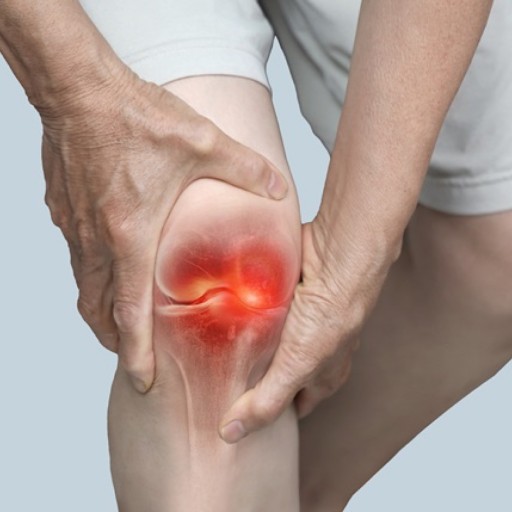
How diet affects joint health
Nutritional intake has a direct impact on joint health, especially the choice of anti-inflammatory foods. Foods rich in Omega-3 fatty acids, such as deep-sea fish and nuts, can help reduce inflammatory responses, while vitamin D and calcium help maintain bone health and prevent joint problems associated with osteoporosis.
In addition, moderate intake of antioxidant-rich foods such as blueberries, tomatoes, and green leafy vegetables can help slow down oxidative stress and reduce inflammatory responses in the joints. At the same time, reducing the intake of sugar and processed foods can reduce the inflammatory response in the body and avoid aggravating the pain.
Weight management should not be overlooked as well; extra weight puts extra stress on the knees, hips, and other parts of the body. Proper dietary control and avoidance of high-calorie, high-sugar foods will not only help reduce joint stress, but also reduce the incidence of inflammation.
How to protect joints with proper exercise
Many people believe that they should reduce exercise when their joints are in pain. However, not only does moderate exercise not aggravate the pain, but it can also enhance the stability of the joints and improve flexibility. Low-impact forms of exercise, such as swimming, yoga and Tai Chi, gently work the muscles around the joints, reducing stiffness while lowering the risk of injury.
If daily activities are already causing discomfort in the joints, excessive high-intensity exercise may further worsen the symptoms, so it is crucial to choose the right intensity of exercise for you. Walking is the easiest way to do this. A moderate amount of walking every day improves blood circulation and builds muscle strength to help share the stress on the joints.
Stretching and joint mobilization exercises are also important for improving stiffness. Gentle stretching movements, such as knee flexion and hip rotation, can improve flexibility and allow the joints to move more smoothly.
In addition, core muscle training is especially important for the knees and hips. A strong core can share some of the body's load, thus reducing the stress on the joints.
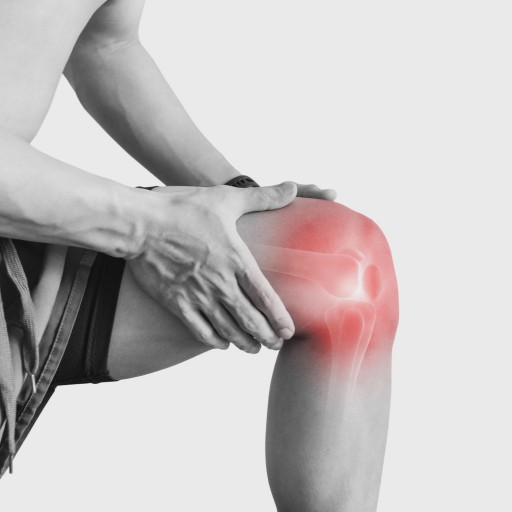
The relationship between the external environment and joint health
The impact of weather changes on joint pain should not be overlooked as well. Many people feel more discomfort in their joints in wet or cold weather. This is because cold temperatures may lead to vasoconstriction, affecting blood circulation to the joints, while high humidity may exacerbate the inflammatory response.
During the cold season, appropriate additional warming measures, such as wearing knee and wrist pads, can reduce the discomfort caused by cold joints. Also, keeping the room warm and the humidity level appropriate can help reduce the pain associated with climate change.
If joint problems are particularly severe during a particular season, you can adjust your exercise program to work out during warmer weather to avoid cold or humid conditions that can exacerbate discomfort.
Strategies to Improve Joint Health Over the Long Term
Maintaining joint health is a long-term process. While short-term relief measures can reduce pain, long-term efforts are still needed to fundamentally improve the state of joints. Lifestyle modifications, combined with appropriate exercise and nutritional intake, can provide real pain relief and improve joint mobility.
Adhering to a good routine, reducing sedentary activities and maintaining a moderate amount of exercise to maintain good blood circulation in the joints; paying attention to dietary structure, reducing the intake of pro-inflammatory foods, and strengthening bones and muscles.
And adjusting the psychological state to minimize the negative impacts of stress are important foundations for maintaining healthy joints.
If pain persists or worsens, you should consult a professional as soon as possible to find the right solution. Whether it is minor discomfort or chronic pain, joint health should not be ignored. Through a scientific approach and good lifestyle habits, joints can be revitalized to have a more flexible and comfortable body.
 1
1 1
1OTHER NEWS
-
- How terrible are carnivorous plants?
- By LH 12 Mar,2025

-
- Have you ever seen a magical plant that can grow by drinking air?
- By LH 14 Mar,2025
-
- What are the most ugly plants in the gardening world?
- By LH 09 Apr,2025

-
- The natural choice for indoor air purification five high-quality greenery recommendations
- By YL 14 Mar,2025

-
- From planting to caring for flowers that bloom forever
- By MTH 10 Mar,2025

-
- Hydroponic plants, gardening tips
- By LH 02 Apr,2025

-
- 15 kinds of flowers suitable for summer
- By LH 31 Mar,2025

-
- Vigilance! Keeping these kinds of plants indoors may harm your health
- By ZYY 09 Apr,2025
-
- How do you control pests and diseases in your garden
- By YL 12 Mar,2025

-
- Sustainable Gardening Starts With Organic Supplies
- By Prodosh Kundu 28 Oct,2024

-
- How to Choose the Best Lawn and Landscaping Services for Your Home
- By Prodosh Kundu 28 Aug,2024

-
- Planting Tips: Best Indoor Plants Recommendations and Care Guide
- By MTH 18 Feb,2025