Zero calories? Eat Easier with These Delicious Weight Loss Meals
In the pursuit of health and beauty, weight loss has become the center of attention for many people. When it comes to weight loss, what comes to the mind of many people is the pain of dieting and the restraint of food.
However, now there is a new idea gradually gained popularity -- eating delicious diet meals can also easily achieve the purpose of weight loss, and even some foods claimed to be “zero-calorie”. So, do these zero-calorie foods really exist? And what are some delicious diet meals worth trying? Let's explore.
The mystery of zero-calorie food
From a scientific point of view, the true meaning of zero-calorie food does not exist. Because any kind of food, as long as it contains carbohydrates, proteins, fats and other nutrients, it is bound to contain a certain amount of calories.
However, some foods are extremely low in calories, and the energy consumed in the process of digestion and absorption in the human body even exceeds the energy provided by itself, in this sense, they are called “negative calorie” foods, which are also close to what we call “zero calorie “.
Celery, for example, is rich in dietary fiber, high in water content, and has only about 14 calories per 100 grams. In the process of chewing and digesting celery, the human body needs to consume a certain amount of energy, and dietary fiber can increase the feeling of satiety and reduce the intake of other high-calorie foods.
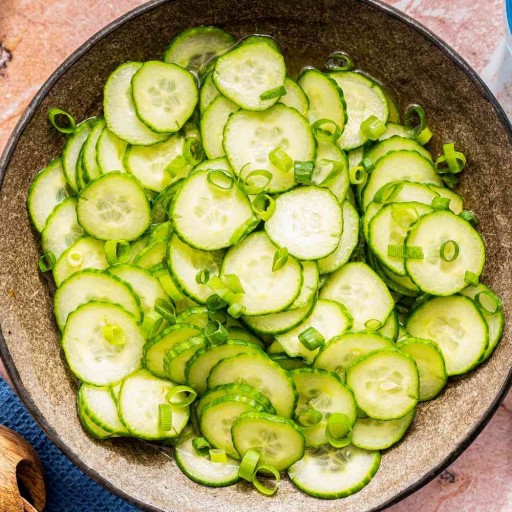
Another example is cucumber, every 100 grams of cucumber calories is only about 16 calories, rich in vitamins and water, crisp and refreshing taste, is the ideal ingredients during weight loss. Lettuce is also a low-calorie, high-fiber vegetable with about 16 calories per 100 grams, and is often used in salads, which are popular with dieters.
Tasty and low-calorie staple food choices
During weight loss, the choice of staple food is crucial. Traditional refined rice and white flour tend to be high in calories, while some coarse grains become better alternatives.
Brown rice: Brown rice retains the outer tissue of rice and is rich in dietary fiber, B vitamins and other nutrients. The calorie content of brown rice is about 116 calories per 100 grams, which is lower than that of white rice, which is about 130 calories per 100 grams, and it is digested and absorbed relatively slowly, providing a longer-lasting sense of satiety.
You can combine brown rice with some vegetables and lean meat, such as carrots, corn kernels, chicken breast, etc., to make nutritious brown rice balls.
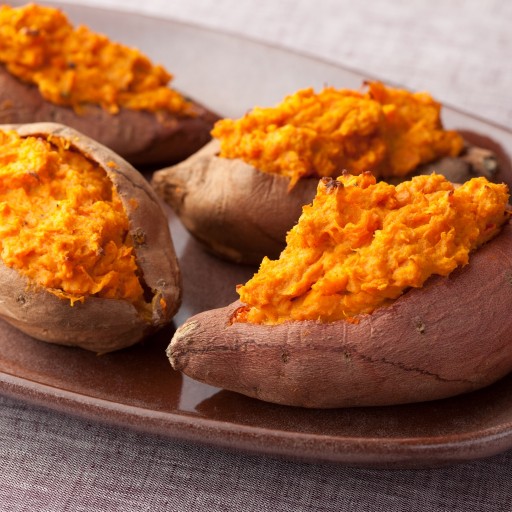
Sweet potato: Sweet potato is a nutritious root food with about 106 calories per 100 grams. It is rich in dietary fiber, vitamin A, vitamin C and other nutrients, and has a sweet and soft taste. Sweet potatoes can be steamed and eaten directly, or made into sweet potato puree, add some milk and honey, the taste is more delicate.
Oatmeal: Oatmeal is a high-quality whole grain food. The calorie content of every 100 grams of oatmeal is about 338 kcal, but due to its strong water absorption, only a small amount is needed to produce a strong sense of satiety when consuming it.
You can choose ready-to-eat oatmeal by adding some nuts and dried fruits, such as raisins, dried blueberries and almonds, after brewing it with boiling water, which adds flavor and enhances the nutritional value.
Source of quality protein
Protein is an essential nutrient for the body. For dieters, consuming enough quality protein can help maintain muscle mass and increase basal metabolic rate.
Chicken Breast: Chicken breast is one of the most common sources of protein during weight loss. Every 100 grams of chicken breast has about 118 calories, with high protein content and low fat content.
You can cut the chicken breast into small pieces, marinate it with salt, black pepper, cooking wine and other seasonings, and then fry it in a pan until golden brown on both sides, with some vegetable salad, such as tomato, cucumber, lettuce, etc., which is delicious and healthy.
Fish and shrimp: Fish and shrimp are rich in high-quality protein and unsaturated fatty acids, which are beneficial to health. For example, per 100 grams of fish calories about 100-150 calories, per 100 grams of shrimp calories about 99 calories.
You can steam the fish or cauterize the shrimp to preserve the original flavor of the ingredients, and then dipped in some soy sauce, vinegar, minced garlic and other seasonings, the taste is delicious.
Beans and soy products: Beans such as black, red and green beans, and soy products such as tofu and soymilk are good sources of vegetable protein. Tofu has about 81 calories per 100 grams and is rich in protein and calcium. It can be prepared as a cold tofu with some seasonings such as chopped green onion, cilantro, soy sauce and sesame oil for a refreshing and delicious meal.
Vegetable Salad
Vegetable salad is an essential part of weight loss meals, not only low-calorie, but also rich in vitamins, minerals and dietary fiber.
Classic Vegetable Salad: Prepare lettuce, cucumber, tomatoes, purple kale, carrots and other vegetables, wash them and cut them into appropriate sizes and put them into a bowl. Add some olive oil, vinegar, salt, black pepper and other seasonings and mix well.
You can also add some chopped nuts, such as walnuts, cashews, etc., according to your personal taste to increase the taste and nutrition.
Fruit and vegetable salad: On top of vegetables, add some low-calorie fruits, such as apples, oranges, strawberries, blueberries and so on. The sweet and sour taste of fruits can add flavor to the salad while increasing the intake of vitamin C and other nutrients. Yogurt can be used instead of salad dressing, which is both healthy and delicious.
Chicken and Vegetable Salad: On top of the vegetable salad, add some diced fried chicken breast to increase protein intake. You can also add some corn kernels and green beans to enrich the taste and nutrition.
Delicious low-calorie soups
Soups can not only increase satiety, but also replenish water and nutrients for the body.
Vegetable and Egg Soup: Prepare some vegetables, such as spinach, cabbage, mushrooms, etc., and cut them into small pieces. Add a suitable amount of water in a pot, boil it and add the vegetables, cook until broken and then beat an egg, stir well. Add the right amount of salt, sesame oil to taste, a bowl of delicious vegetable egg soup is ready.
Winter melon and kelp soup: winter melon and kelp are low-calorie ingredients, per 100 grams of winter melon calories about 11 calories, per 100 grams of kelp calories about 23 calories.
Peel the winter melon and cut it into small pieces, soak the kelp and cut it into small pieces, put it into a pot, add the right amount of water and cook until the winter melon is soft and rotten. Add appropriate amount of salt and pepper to taste, refreshing and delicious.
Fish soup with tofu: Fry the fish until golden brown on both sides, add the right amount of water, put in the tofu cubes and cook until the soup is thick. Add some chopped green onion, cilantro, salt and other seasonings to taste. The fish soup is delicious and the tofu is tender and nutritious.
Although there is no real zero-calorie food, by reasonably combining these low-calorie, nutrient-rich ingredients to create a delicious weight loss meal, it does allow us to eat easier and healthier on the road to weight loss.
At the same time, weight loss does not only depend on diet control, but also needs to be combined with moderate exercise and good living habits to achieve the desired weight loss effect. I hope we can all find the right way to lose weight and have a healthy and beautiful body.
 1
1 1
1OTHER NEWS
-
- Hydroponic plants, gardening tips
- By LH 02 Apr,2025
-
- Do you know these secrets of plants?
- By LH 18 Feb,2025

-
- The natural choice for indoor air purification five high-quality greenery recommendations
- By YL 14 Mar,2025

-
- Is the smell of mowing the grass a distress signal from plants?
- By LH 21 Feb,2025
-
- Here’s a complete guide on what you should prepare before planting your seeds.
- By Prodosh Kundu 18 Jul,2024
-
- How do you control pests and diseases in your garden
- By YL 12 Mar,2025

-
- The Five Best Flowers for Newbies to Keep Alive
- By MTH 14 Mar,2025

-
- Sustainable Gardening Starts With Organic Supplies
- By Prodosh Kundu 28 Oct,2024
-
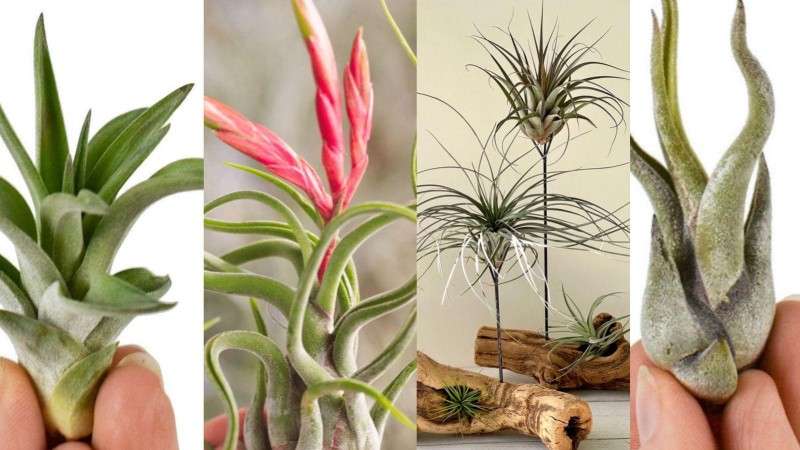
- Have you ever seen a magical plant that can grow by drinking air?
- By LH 14 Mar,2025
-
- Vigilance! Keeping these kinds of plants indoors may harm your health
- By ZYY 09 Apr,2025
-
- From planting to caring for flowers that bloom forever
- By MTH 10 Mar,2025

-
- Growing For The Planet: How Sustainable Gardening Practices Can Help To Mitigate Climate Change
- By Prodosh Kundu 28 Oct,2024